Remote Medical Assistance
Assessment and Coordination When Help Is Far Away
In environments where conventional medical care is not immediately available, SAR24 integrates assessment, communication, coordination, and evacuation planning according to the person's condition and the characteristics of the surrounding environment.
Assess
Gathering information about symptoms, injuries, progression, and overall condition.
Communicate
Transmitting location, condition, and changes in status using available communication methods.
Coordinate
Organizing ground-based, technical, medical, and communication resources.
Evacuate
Planning transportation based on the person's condition, terrain, and available resources.
Situations That May Require Assistance
The assessment considers both the person's condition and the risks associated with the environment where they are located.
Initial Assessment
Assessment of consciousness, breathing, mobility, visible injuries, symptoms, and progression.
Traumatic Injuries
Initial care following falls, impacts, blows, and mountain accidents.
Fractures and Injuries
Assessment of possible fractures, dislocations, and musculoskeletal injuries.
Respiratory Emergencies
Assessment of breathing difficulties and changes associated with the environment and altitude.
Hypothermia
Response to prolonged exposure to cold, snow, wind, ice, or damp conditions.
Dehydration
Assessment of fluid loss, exhaustion, and the person's ability to continue.
Altered Mental Status
Assistance in cases of confusion, disorientation, abnormal behavior, or loss of consciousness.
Extreme Exhaustion
Assessment of individuals who have experienced a significant decline in their physical capacity.
Cold-Related and Environmental Exposure Injuries
Assessment of injuries caused by low temperatures and environmental exposure.
Assessment at High and Extreme Altitudes
Altitude-related problems must be assessed within the broader context of the emergency and how the situation develops over time.
When Communication Can Save Valuable Time
In remote areas, communication makes it possible to transmit location details, symptoms, changes in condition, and assistance needs while response resources are being deployed.
Radio Communications
Coordination between teams deployed across different areas of the operation.
Satellite Communications
Transmission of information from areas without conventional network coverage.
GPS and Coordinates
Locating individuals, routes, extraction points, and search areas.
SOS Devices
Emergency alerts, coordinates, and messages from remote areas when the system is available.
Information That Evolves With the Emergency
When communication is available, updates on the person's condition can be provided while response resources are being deployed.
When Staying in Place Is No Longer a Safe Option
The appropriate evacuation option is determined by considering the person's condition, location, altitude, terrain, weather conditions, and available resources.
Ground Evacuation
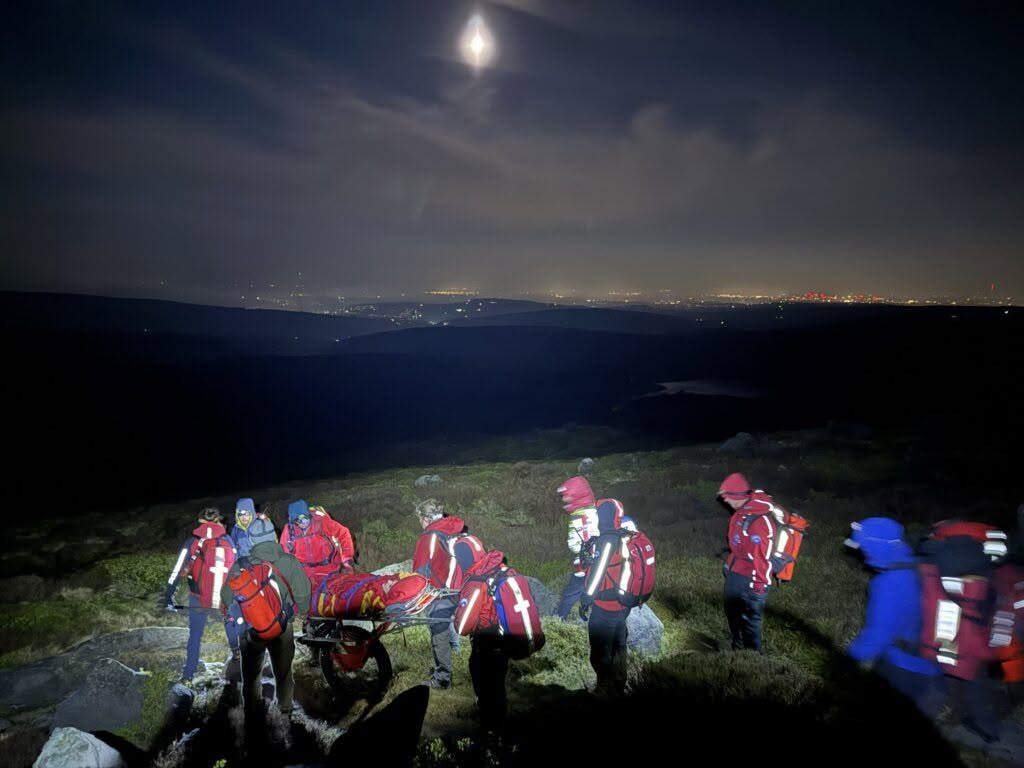
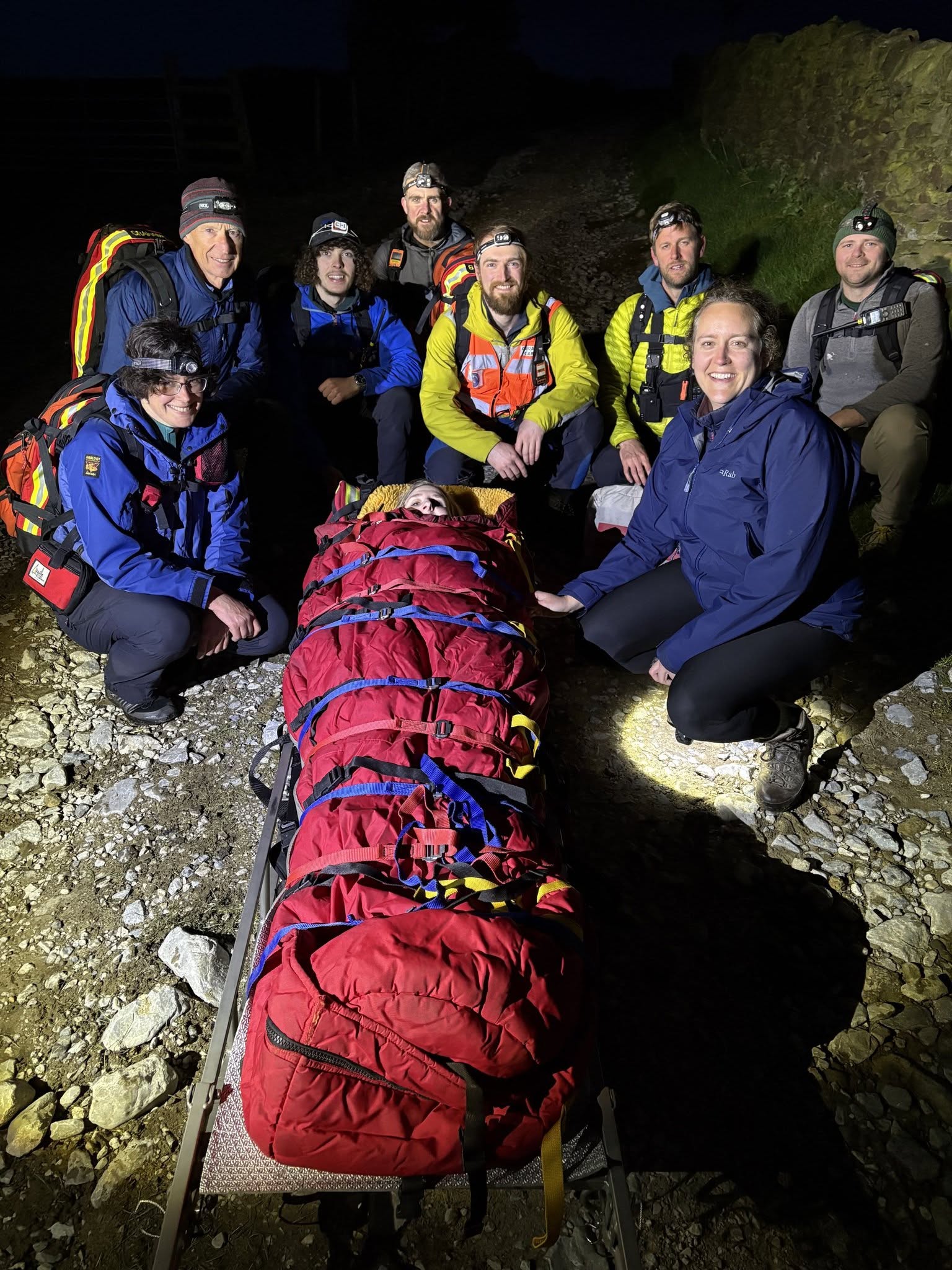
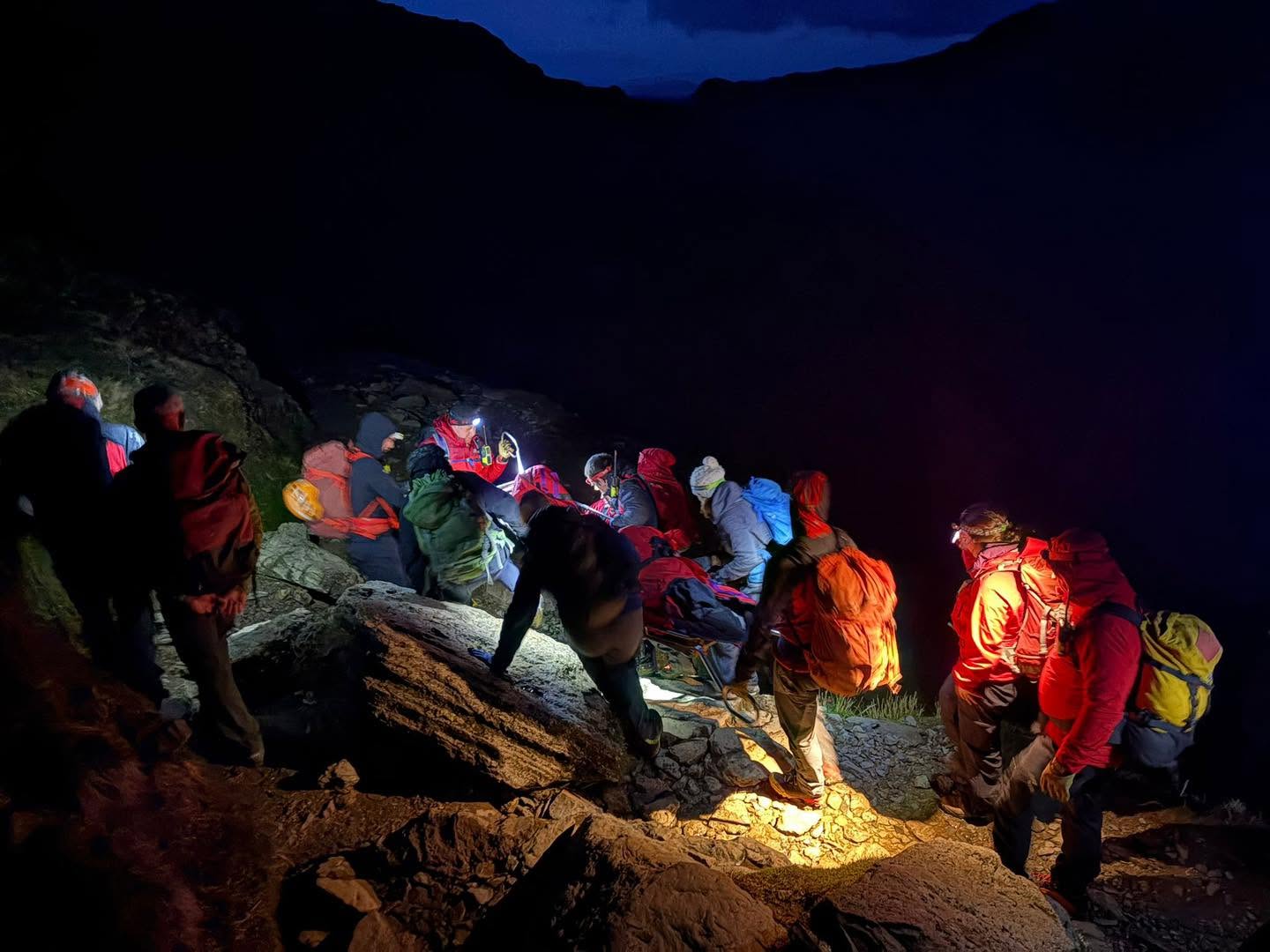
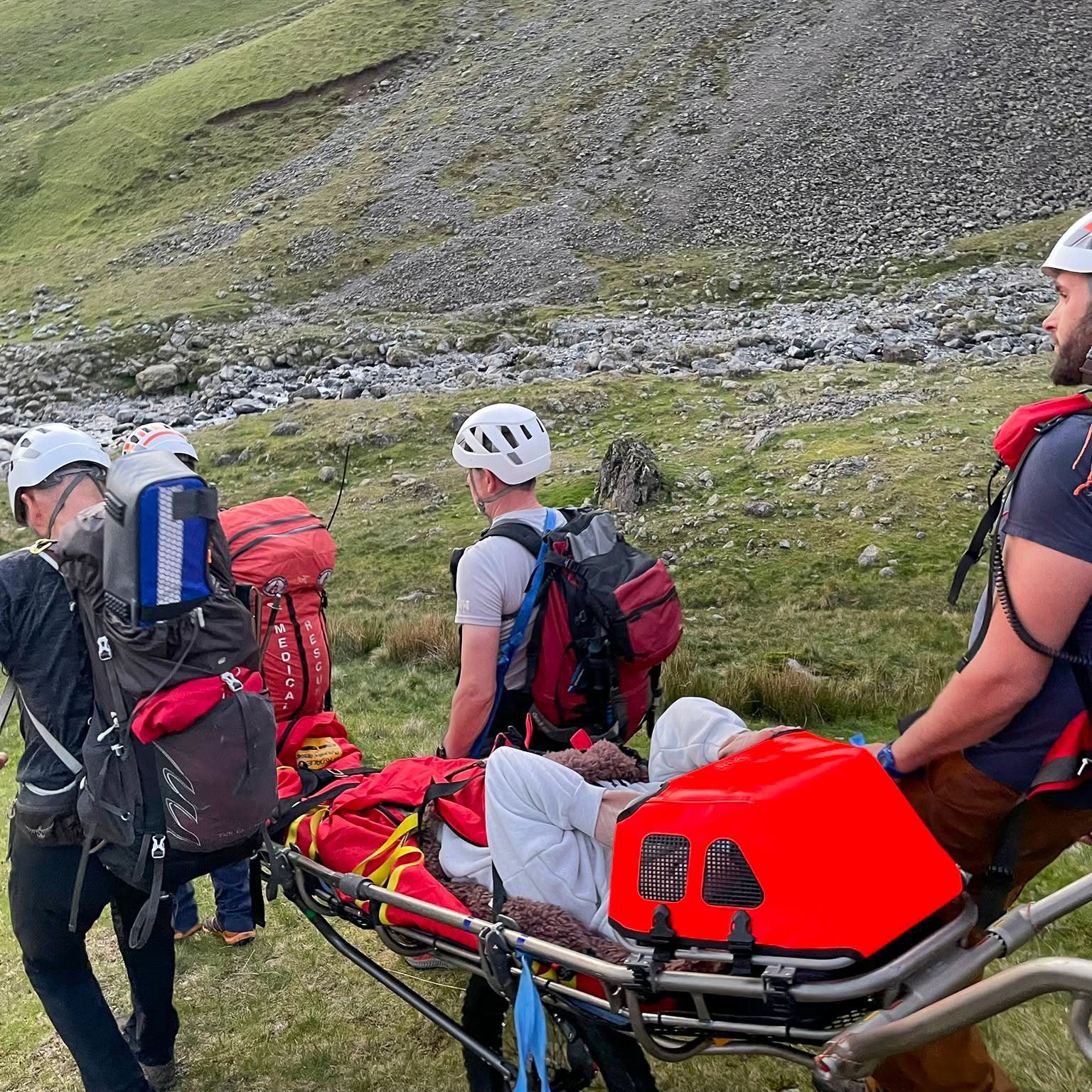
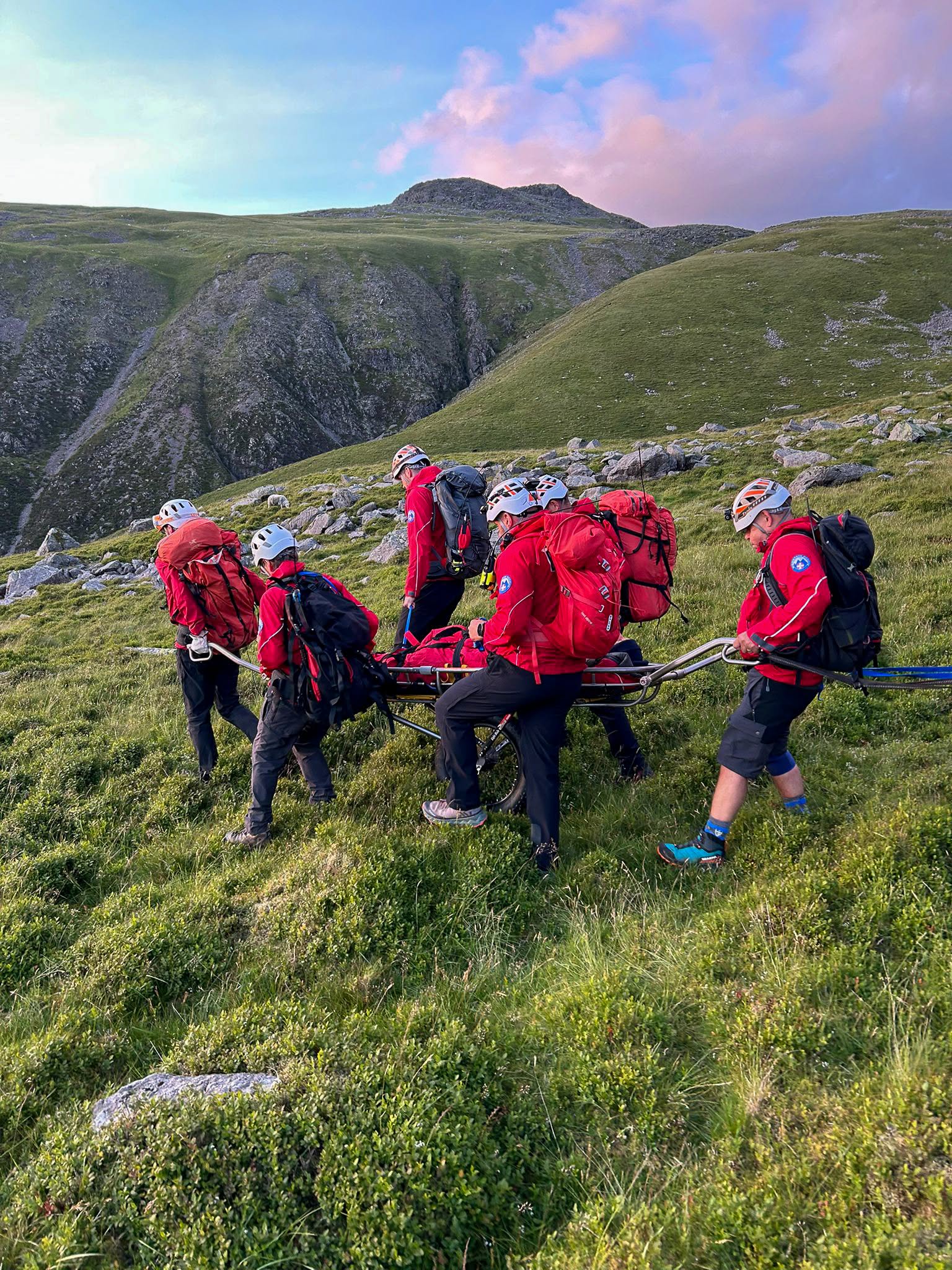
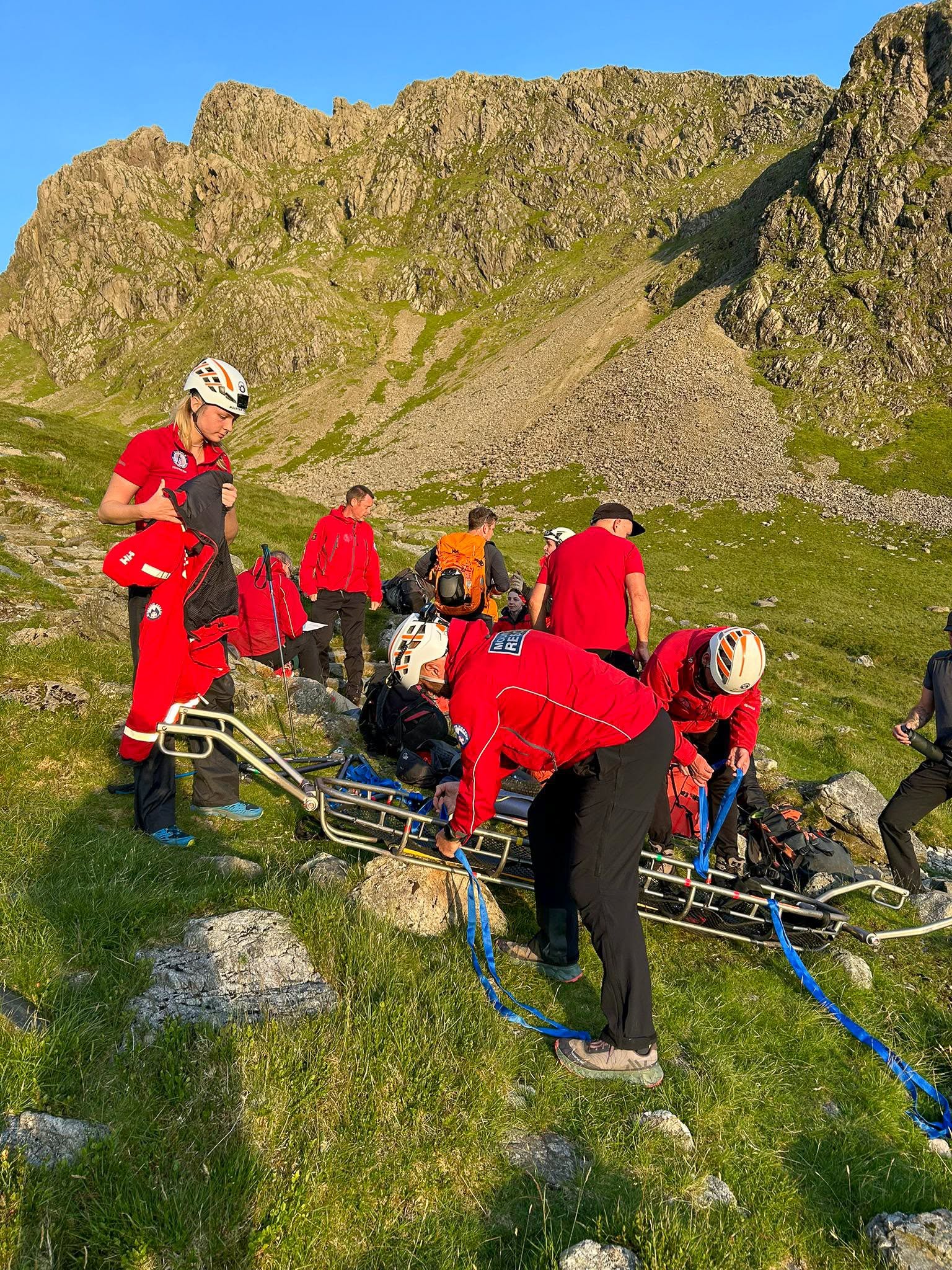
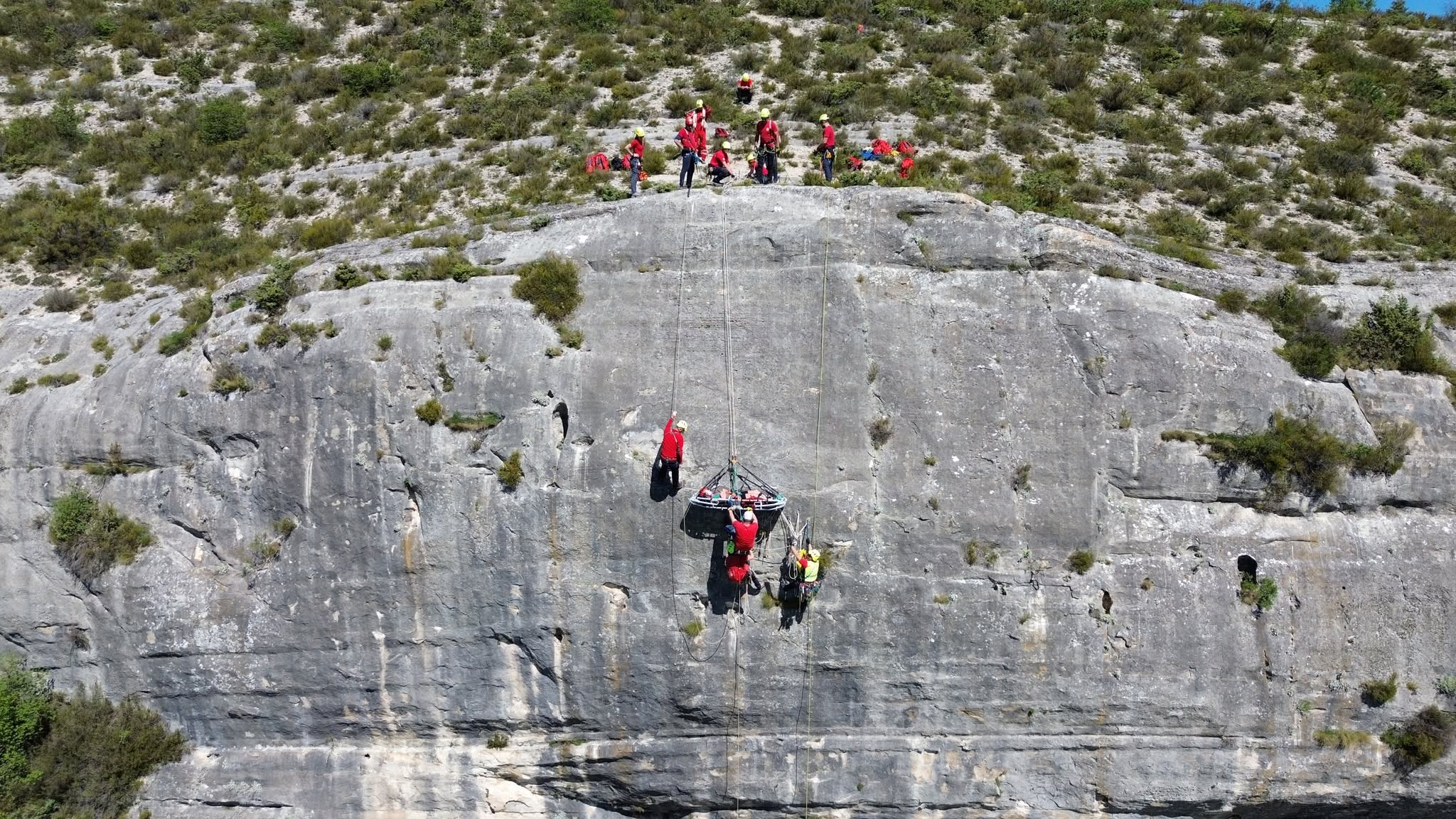
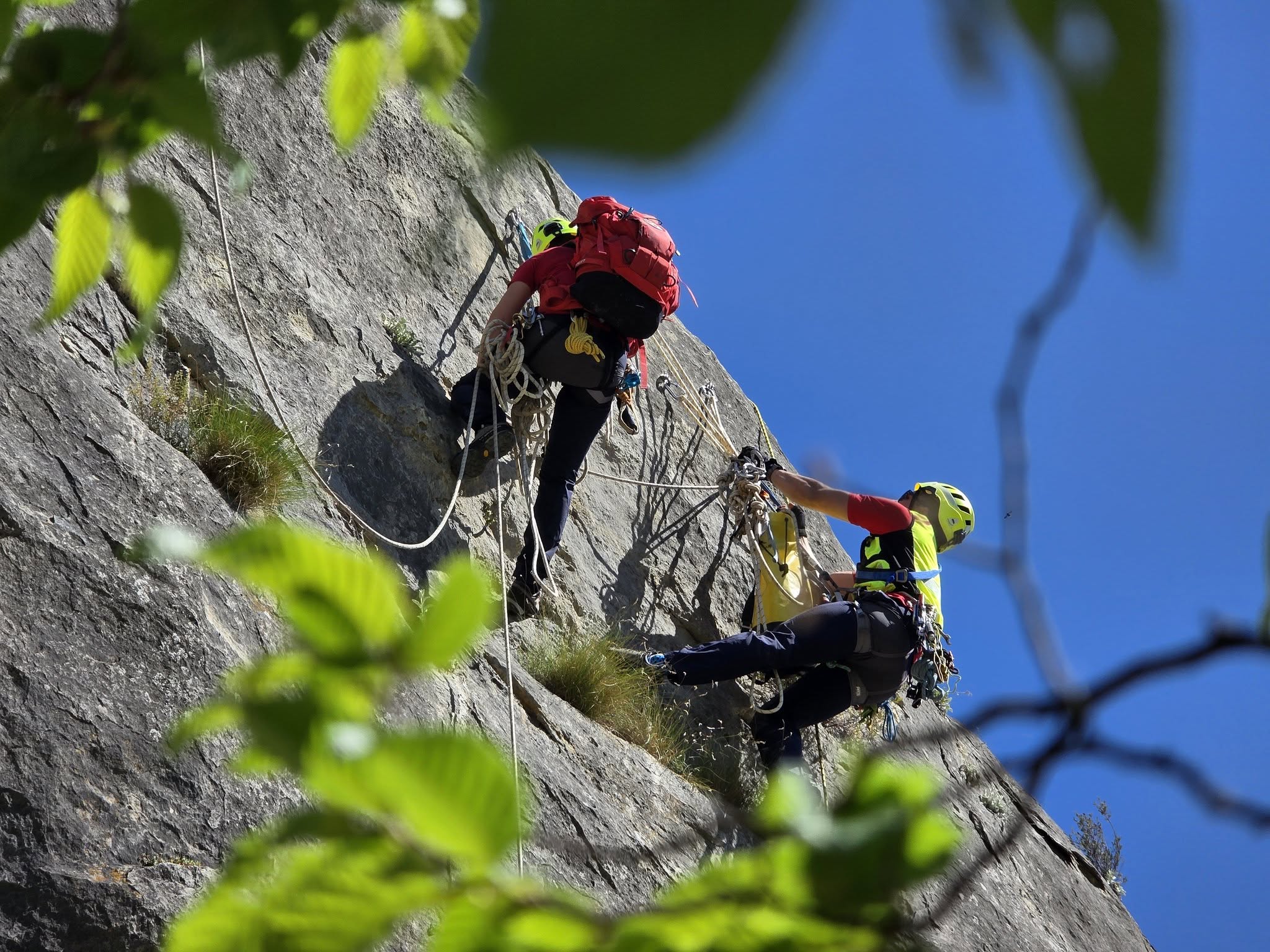
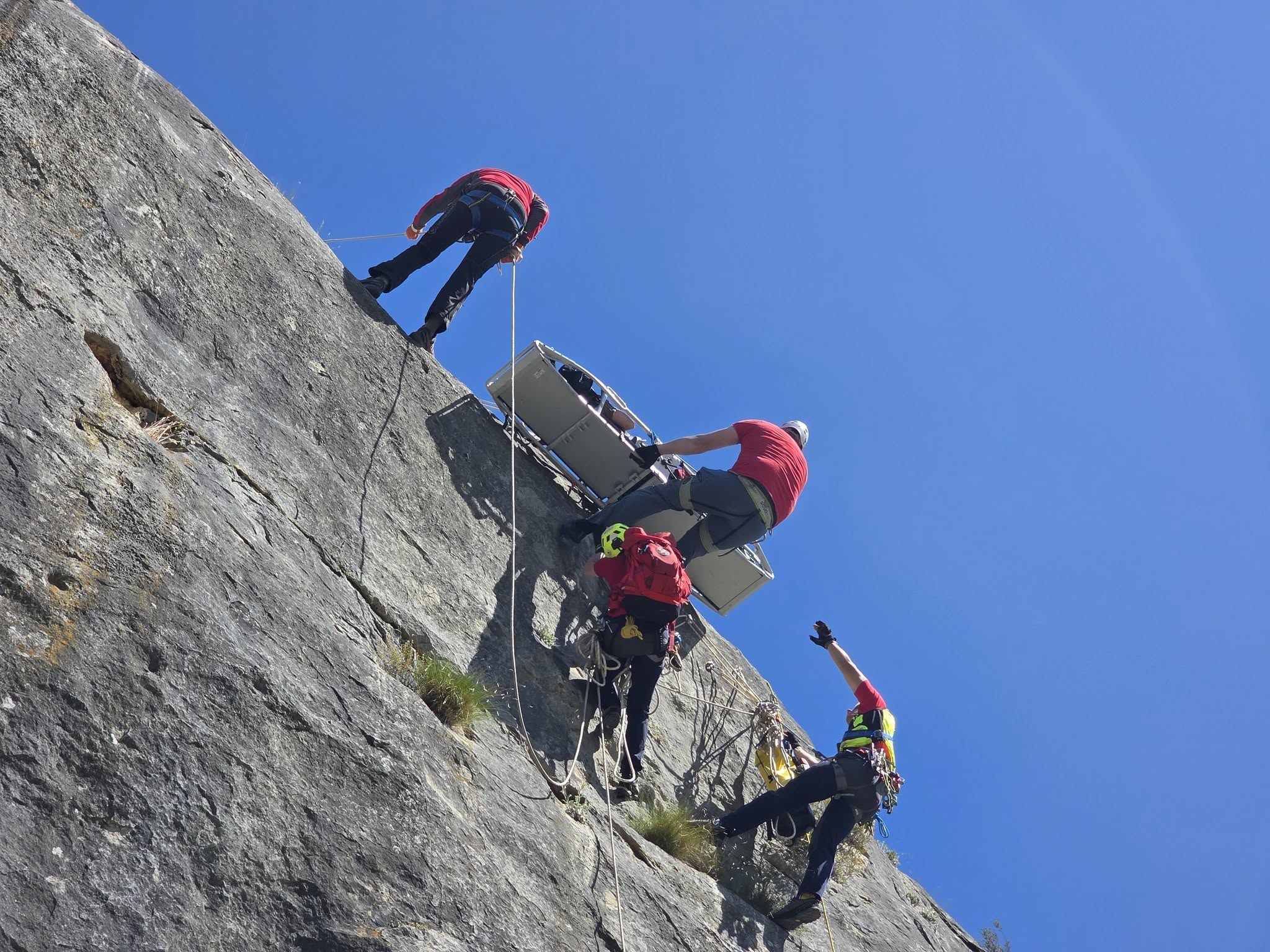
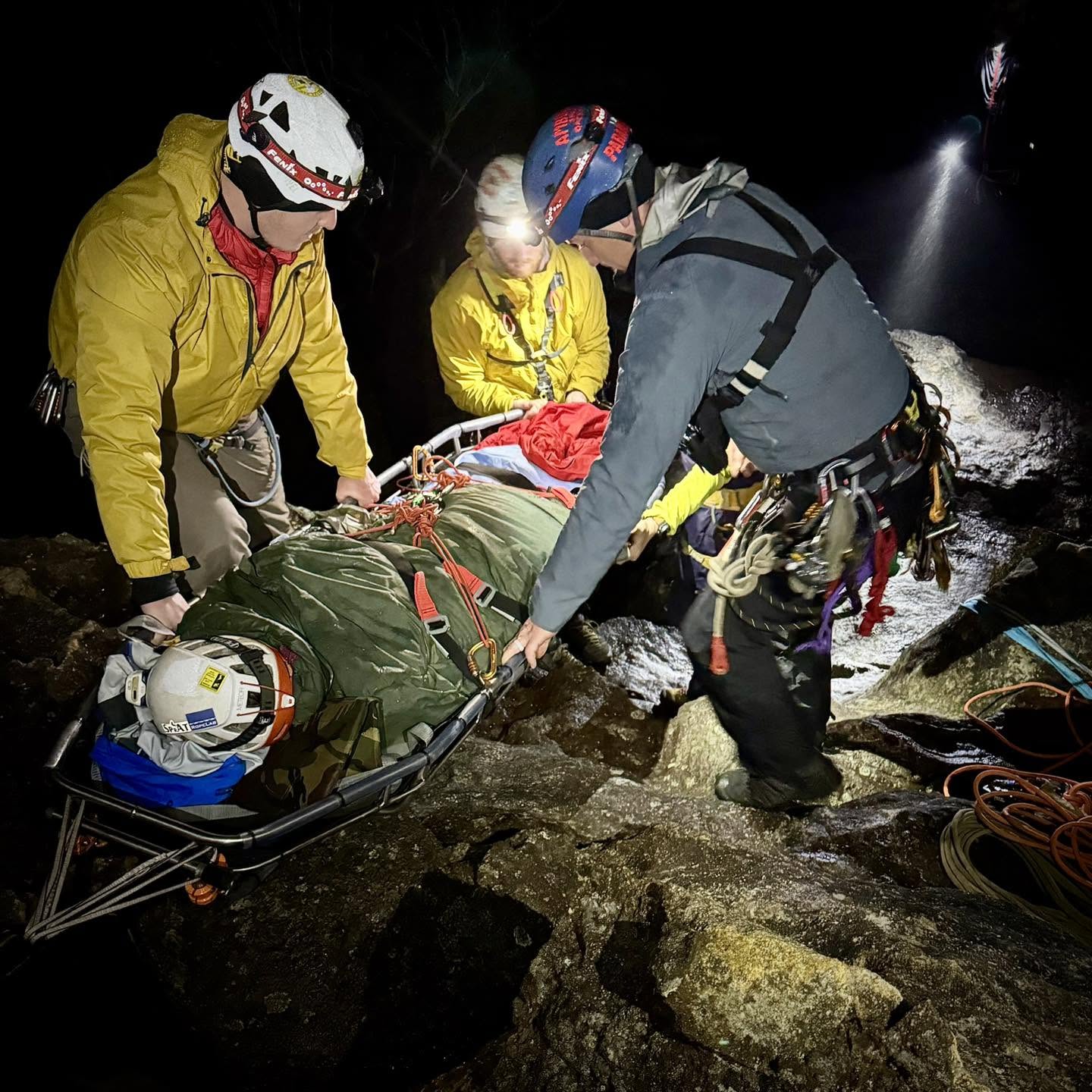
This may require assisted movement, stretchers, rope systems, technical teams, or different transportation techniques depending on the characteristics of the terrain.
Air Evacuation
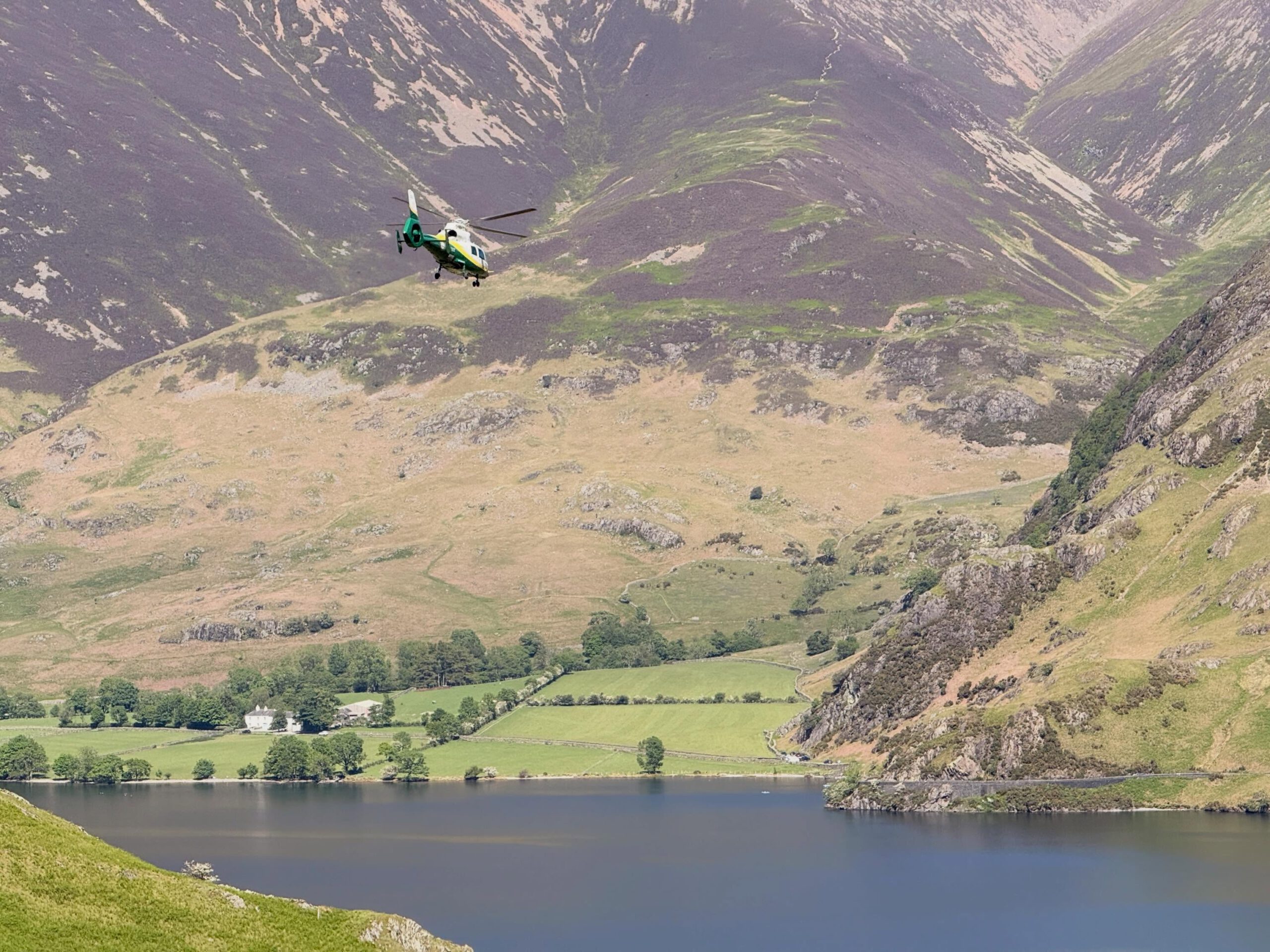
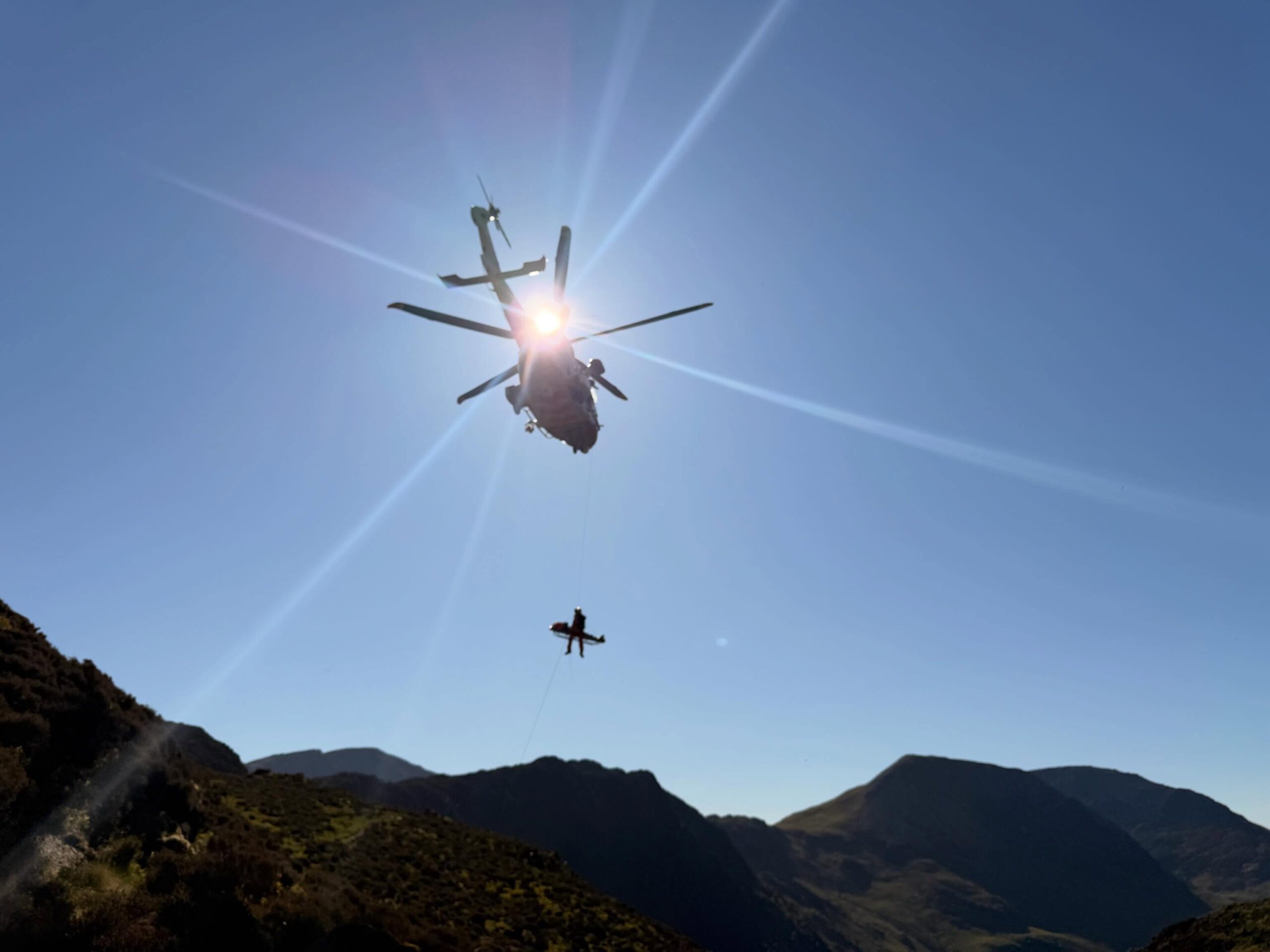
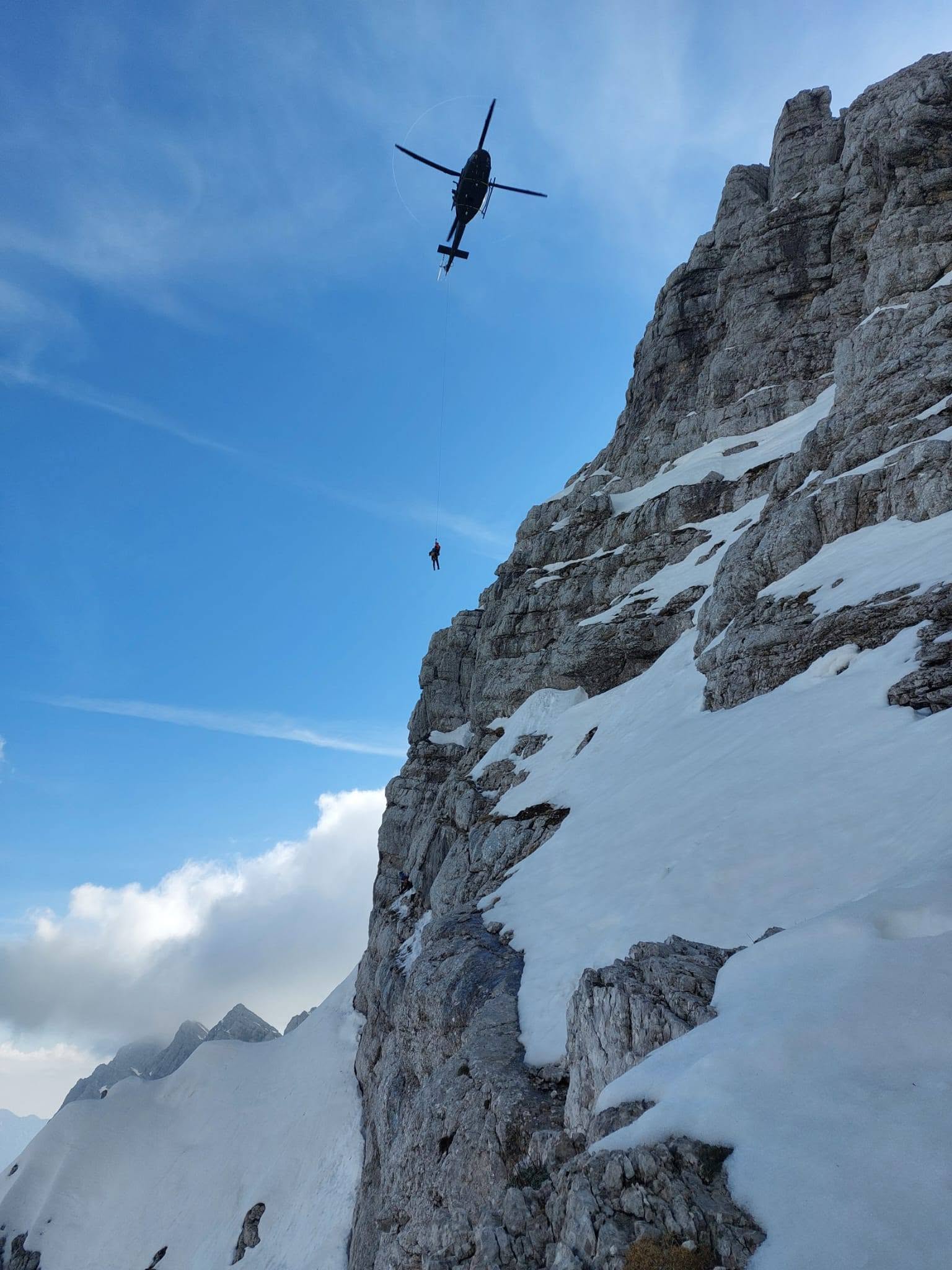
When conditions permit, air support may be coordinated based on weather conditions, altitude, terrain characteristics, aircraft availability, and the necessary authorizations.
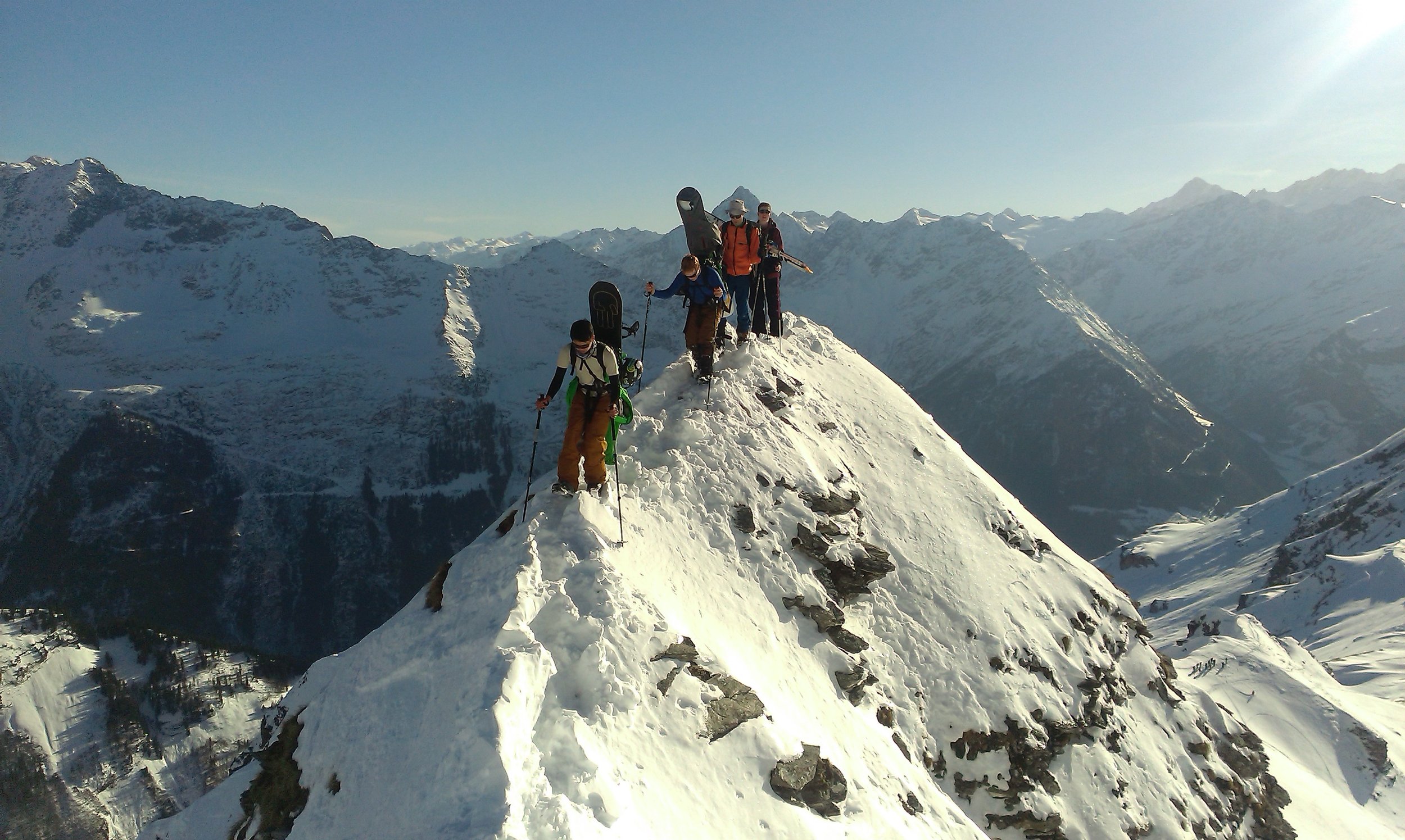
Where Conventional Assistance May Be Far Away
Medicine + Rescue + Communication
Remote medical assistance is integrated with Search & Rescue capabilities to combine assessment, technical rescue, communications, logistics, and evacuation according to the needs of each emergency.
Every Emergency Requires an Individual Assessment
The response depends on location, accessibility, communications, weather conditions, altitude, and the availability of personnel and technical resources. Remote assistance is a support tool and must be integrated with the available search, rescue, and evacuation procedures.