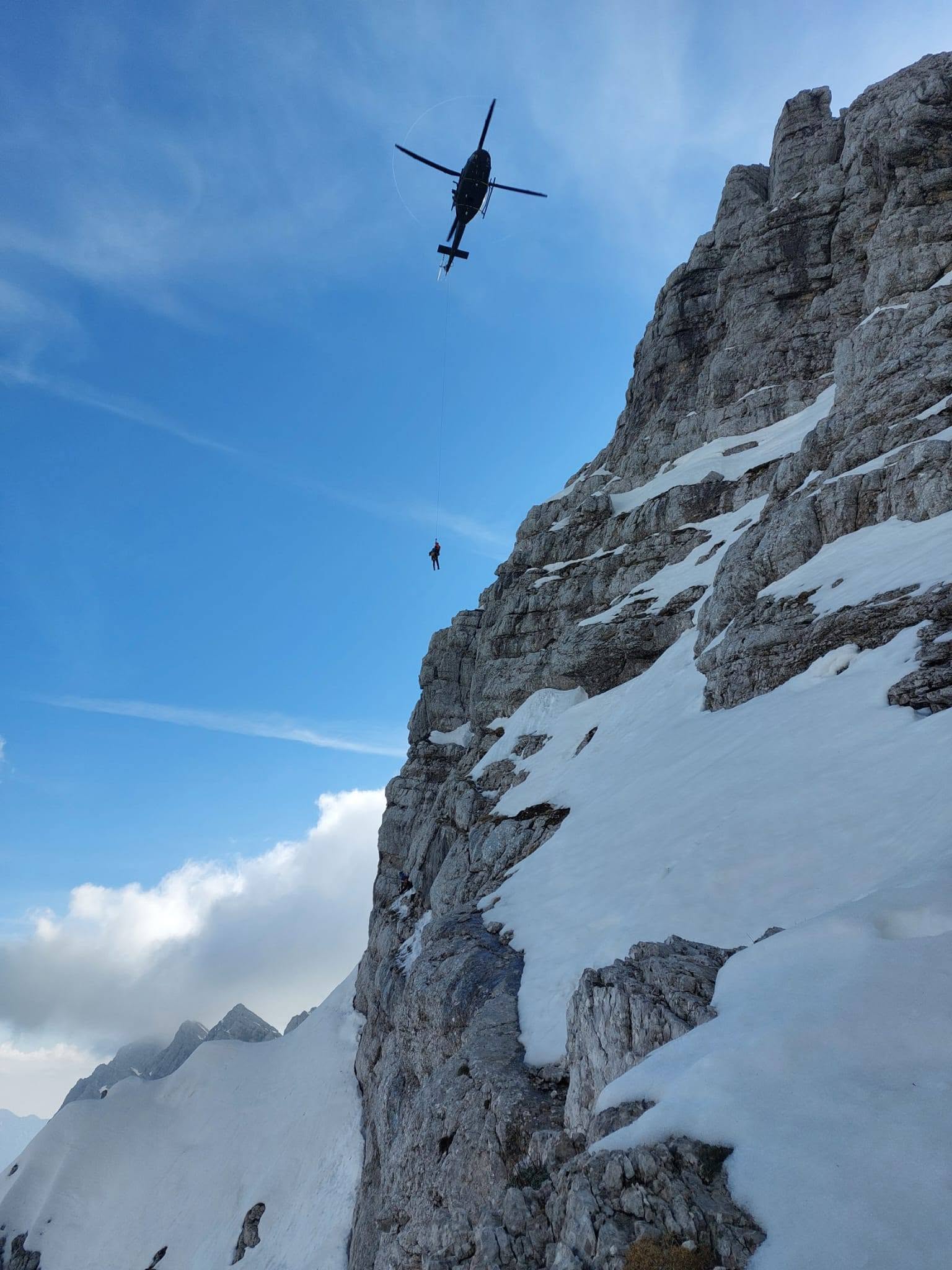
COMPREHENSIVE SAR SEARCH AND RESCUE PROTOCOL
Comprehensive SAR Response Protocol
This protocol establishes a framework for the receipt, assessment, activation, planning, coordination, execution, and closure of search, rescue, and evacuation operations in urban, rural, remote, mountainous, high-altitude, and extreme-altitude areas.
Its purpose is to provide an organized framework for responding to missing persons, accidents, injuries, medical emergencies, loss of contact, incidents in technical terrain, and other situations that may require SAR intervention.
The protocol must be adapted to the characteristics of each incident, terrain conditions, weather, resource availability, competent authorities, and the level of operational risk.
01. Alert Reception and Activation
Every operation begins with the receipt of an alert or request for assistance. Alerts may come from different sources and should be recorded and verified whenever possible before determining the appropriate response level.
- Telephone call.
- SOS device or satellite communication.
- Emergency message.
- Tracking system.
- Family members or travel companions.
- Guides, tour operators, or expedition members.
- Authorities.
- Witnesses or people present in the area.
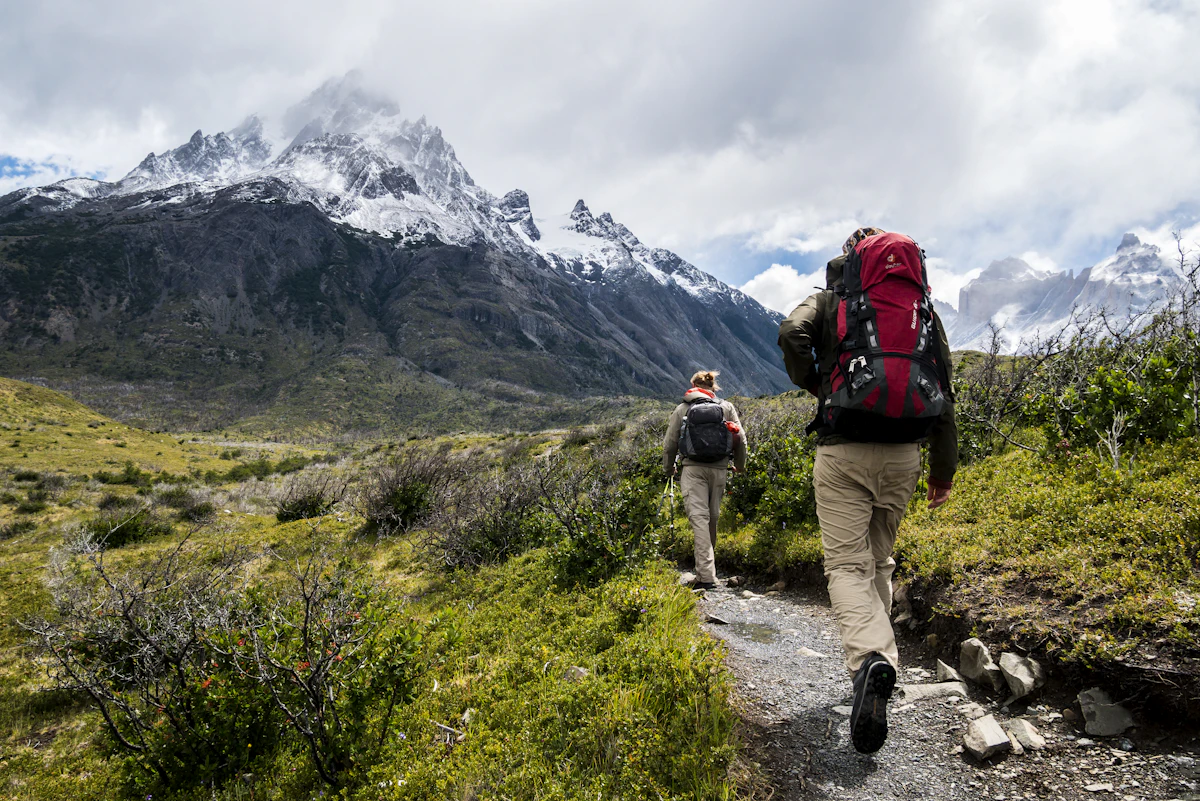
Initial Information
Information received during activation provides the basis for an initial assessment of the incident and for determining immediate needs.
- Known or estimated location.
- Planned route.
- Time of the incident.
- Number of people involved.
- Condition of the affected individuals.
- Available equipment.
- Last communication method.
- Weather conditions.
- Approximate altitude.
- Identified hazards.
02. Initial Incident Assessment
Before deploying resources, an initial operational assessment is conducted. This stage establishes what happened, where it happened, when it happened, and the current conditions of the emergency.
What happened?
Identification of the incident type and known circumstances.
Where did it happen?
Known location, estimated location, or last recorded position.
When?
Time of the incident and time elapsed since last contact.
People Involved
Number of affected individuals and their individual circumstances.
Communication
Availability of contact with the affected individuals.
Risks
Environmental conditions, terrain, and operational hazards.
The assessment must be continuously updated as new information becomes available.
03. Information Recording and Management
Operational Information
All information obtained during an emergency must be organized so that it can be used effectively by the coordination team.
- Identity of the affected individuals.
- Contact details.
- Itinerary.
- Known coordinates.
- Communications made.
- Incident timeline.
- Information about injuries or symptoms.
- Available equipment.
- Group composition.
- Environmental conditions.
- Activated resources.
- Institutions contacted.

Information Protection
Information must be kept up to date, organized, and protected, avoiding the unnecessary disclosure of personal data or operational information.
04. Classification and Prioritization
Each incident must be assessed according to its level of urgency and risk. The classification may change during the mission as new information becomes available.
Critical Emergency
There is an immediate threat to life or a situation requiring an urgent response.
Emergency
A serious situation requires intervention, but allows some operational flexibility.
Incident
Assistance, assessment, or support is needed, with no immediate evidence of a life-threatening danger.
Information or Follow-Up
Communication, guidance, verification, or follow-up is required without initially activating a full-scale operation.
05. SAR Team Activation
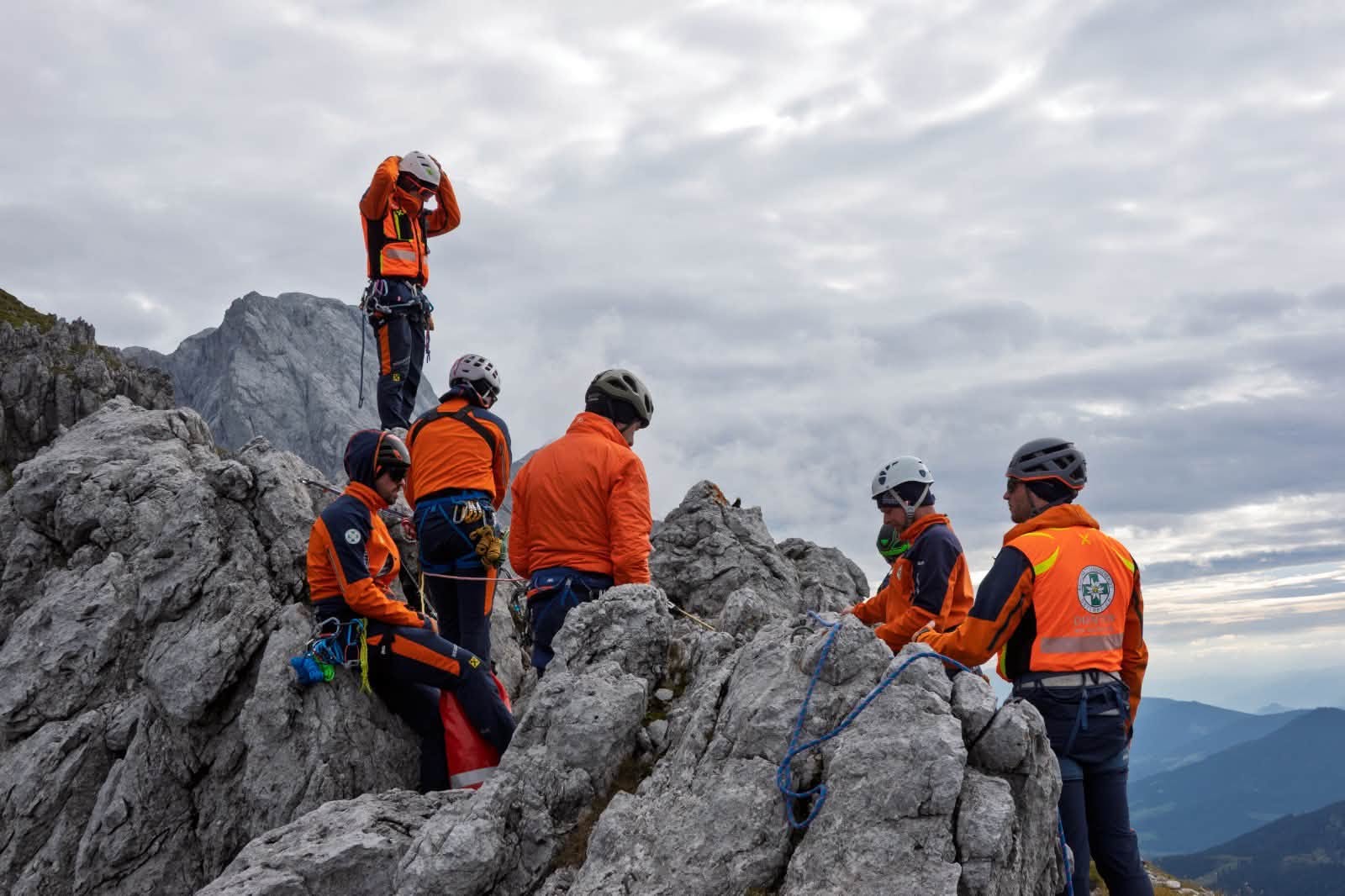
Once intervention is deemed necessary, the appropriate response level is activated. Team composition must match the type of incident and the capabilities required.
SAR Personnel
Personnel assigned to search, rescue, and operational coordination.
Technical Rescuers
Specialists for technical access and extraction scenarios.
Mountain Specialists
Personnel with capabilities suited to mountain environments.
Medical Personnel
Available medical personnel working within their scope of practice.
Communications
Management of communication systems used during the mission.
Navigation and Cartography
Support for locating people, route planning, and terrain assessment.
06. Designation of Operational Command
Clear Coordination Structure
Every operation must have a clear coordination structure. The operational lead must establish the mission objectives, area of operations, team organization, communication channels, search sectors, operational timelines, safety measures, evacuation plan, and procedures for shift handovers and operational updates.
When multiple institutions are involved, coordination must follow the responsibilities and procedures established by the relevant authorities.
07. Operational Planning
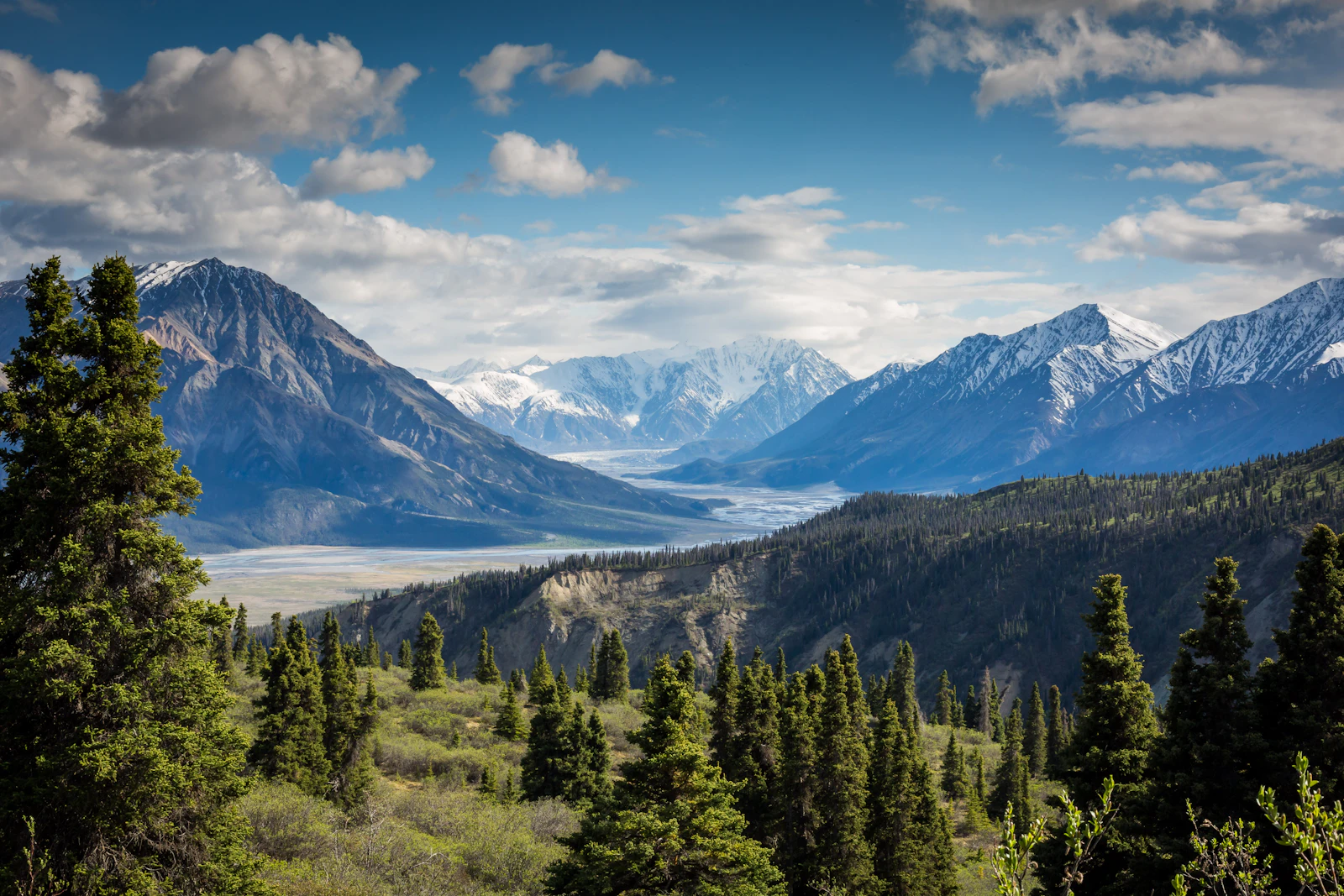
Operational Plan
Before deployment, the location, terrain, weather, timing, resources, and access options are assessed.
Location
Last known position, coordinates, altitude, and geographical references.
Terrain
Trails, slopes, rivers, glaciers, rocky areas, ravines, forests, and access routes.
Weather
Temperature, wind, precipitation, cloud cover, visibility, and forecast conditions.
Timing
Time of the incident, elapsed time, and estimated duration of the operation.
Resources
Personnel, technical capabilities, vehicles, communications, and equipment.
Air Access
Availability, operating conditions, and potential landing or extraction areas.
08. Search Planning and Execution

Search Planning
When a person is missing or cannot be located, a search plan is developed based on the available information and terrain characteristics.
- Last known position.
- Probable direction of travel.
- Planned route.
- Areas with a higher probability of finding the person.
- Last communication signal.
- Belongings or equipment.
- Weather-related factors.
- Time elapsed.
- Available evidence or clues.
Search Execution
Teams must operate under an organized system of task assignment and monitoring. The area may be divided into sectors to assign teams and facilitate operational control.
- Assigned area.
- Responsible team.
- Start time.
- Route covered.
- Communications.
- Evidence found.
- Relevant coordinates.
- Completion time.
Specific search techniques must be selected according to the terrain, visibility, environmental conditions, available information, and personnel training.
09. Technical Rescue
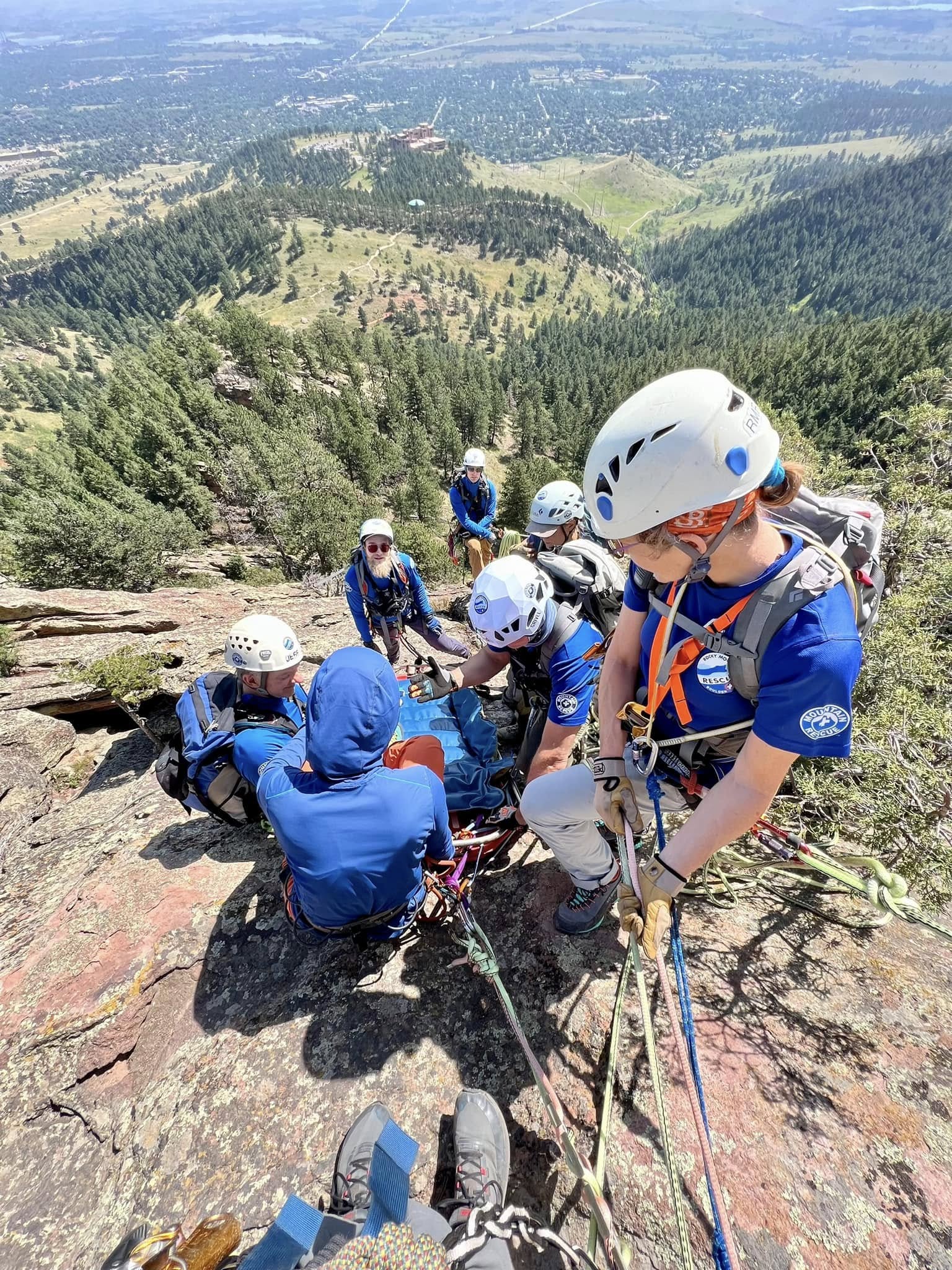
Once the person has been located, the access and extraction method is determined. Depending on the scenario, specific technical capabilities may be required.
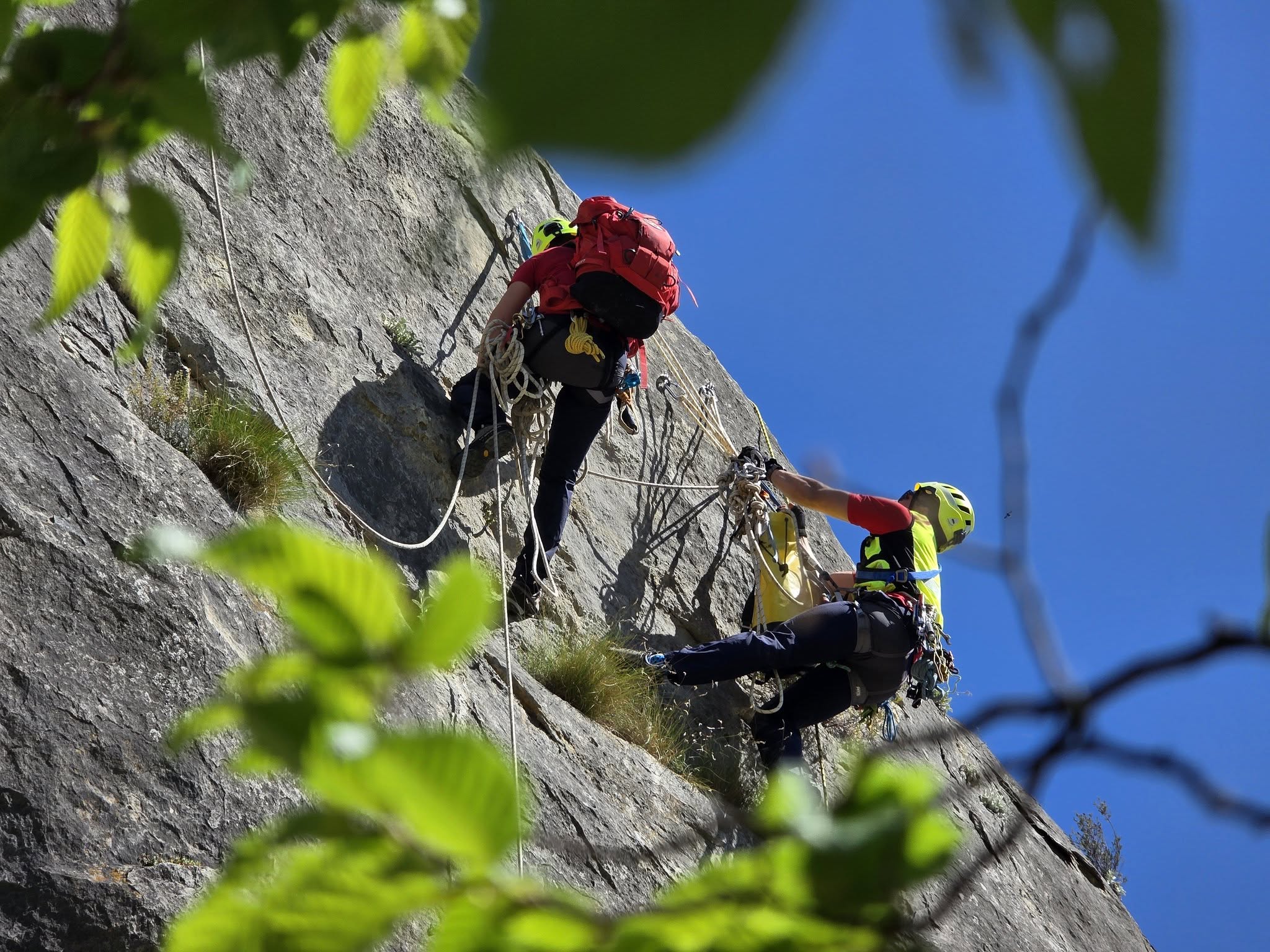
Rock Rescue
Access and extraction on cliffs and rocky terrain.
Glacier Rescue
Operations on ice, snow, and crevassed terrain.
High-Altitude Rescue
Interventions in high-altitude environments.
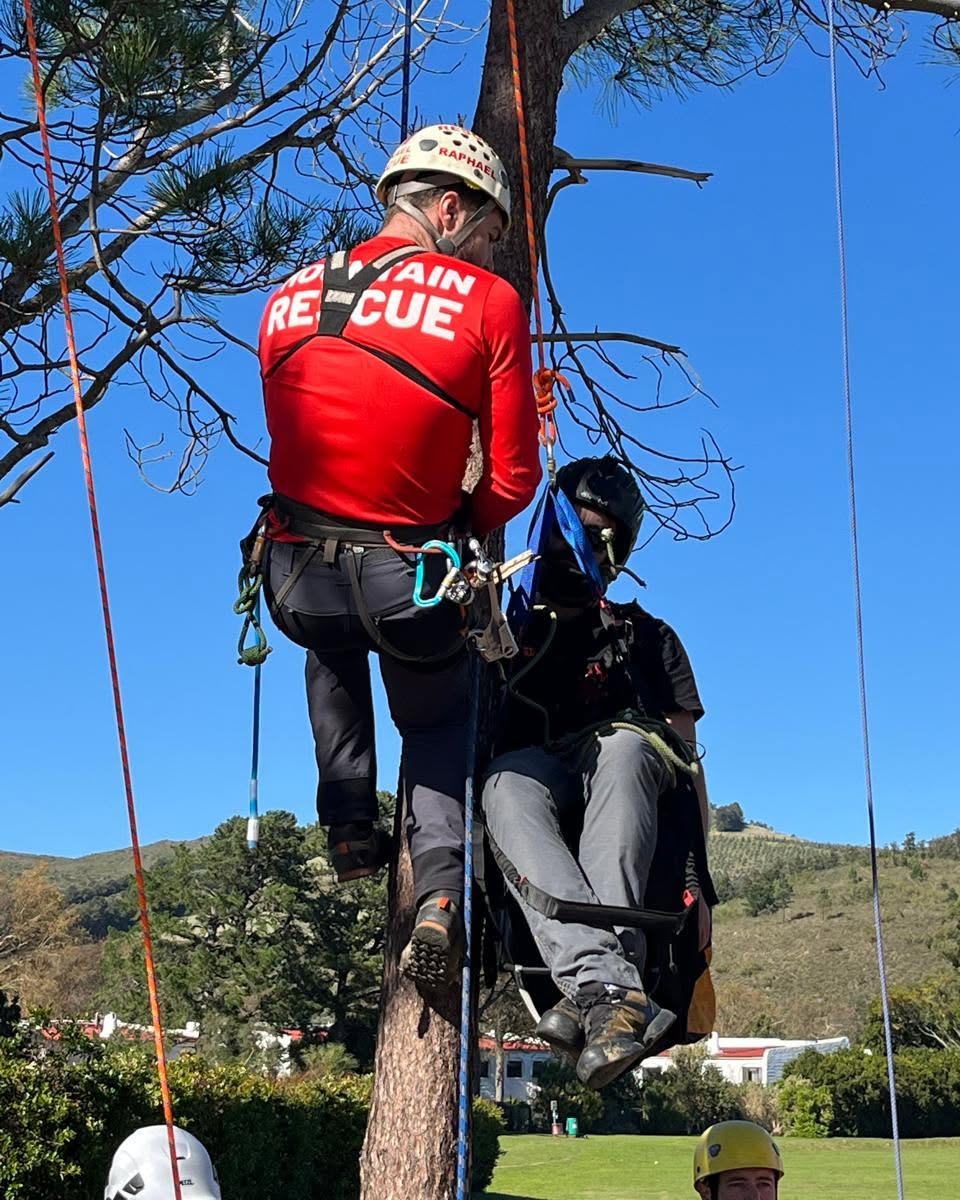
Rope Systems
Use of technical access and extraction systems according to team capabilities.
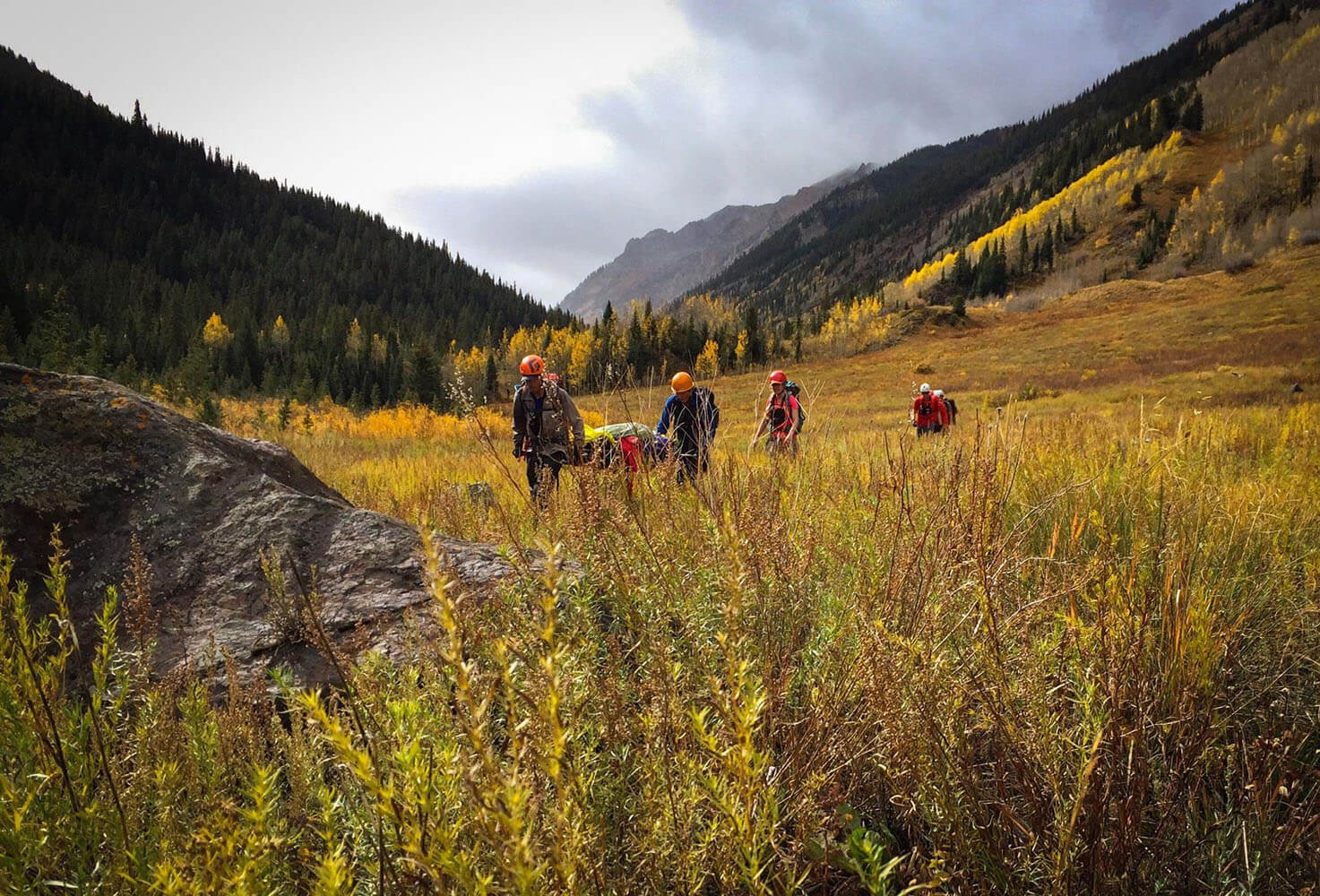
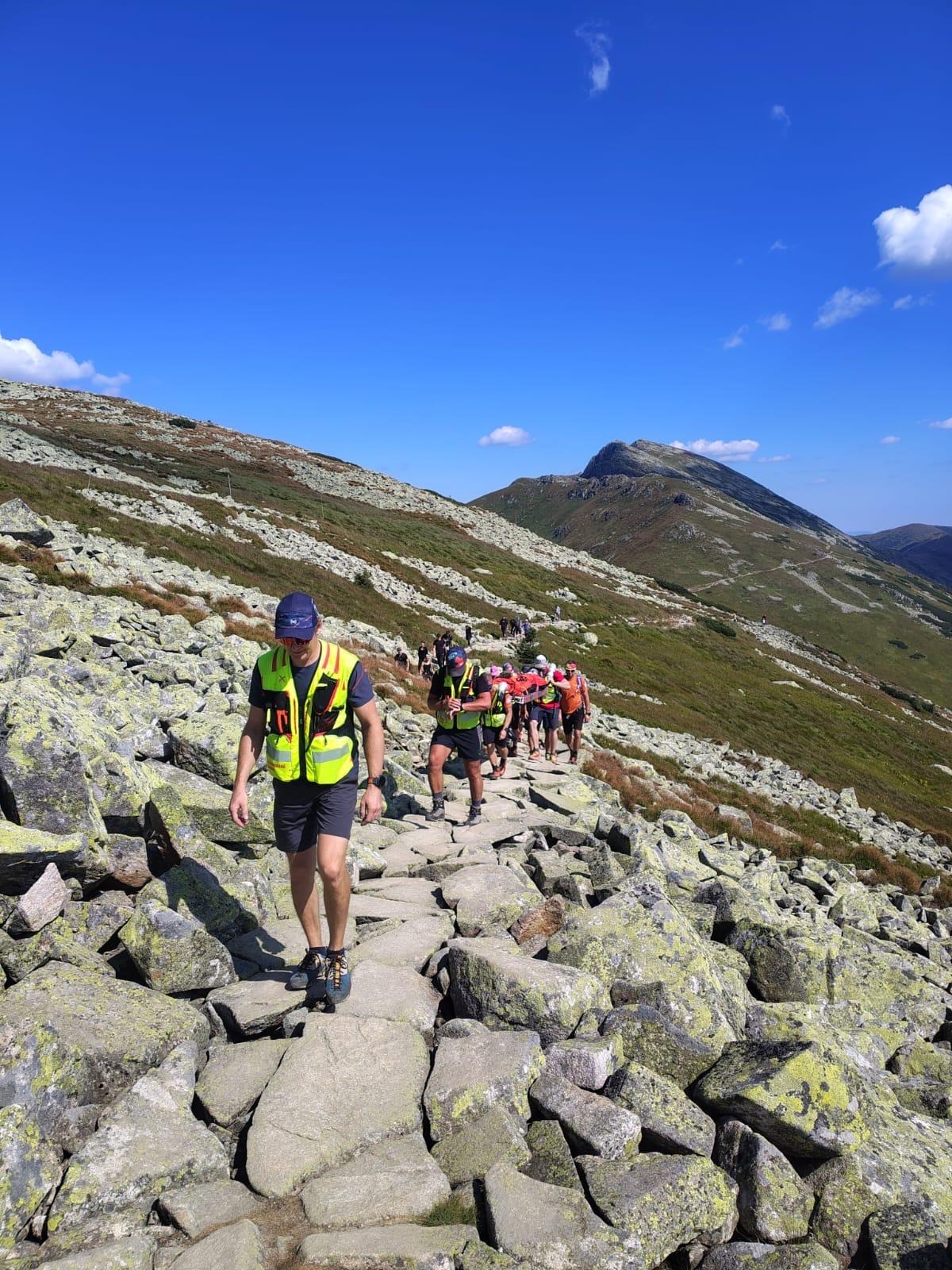
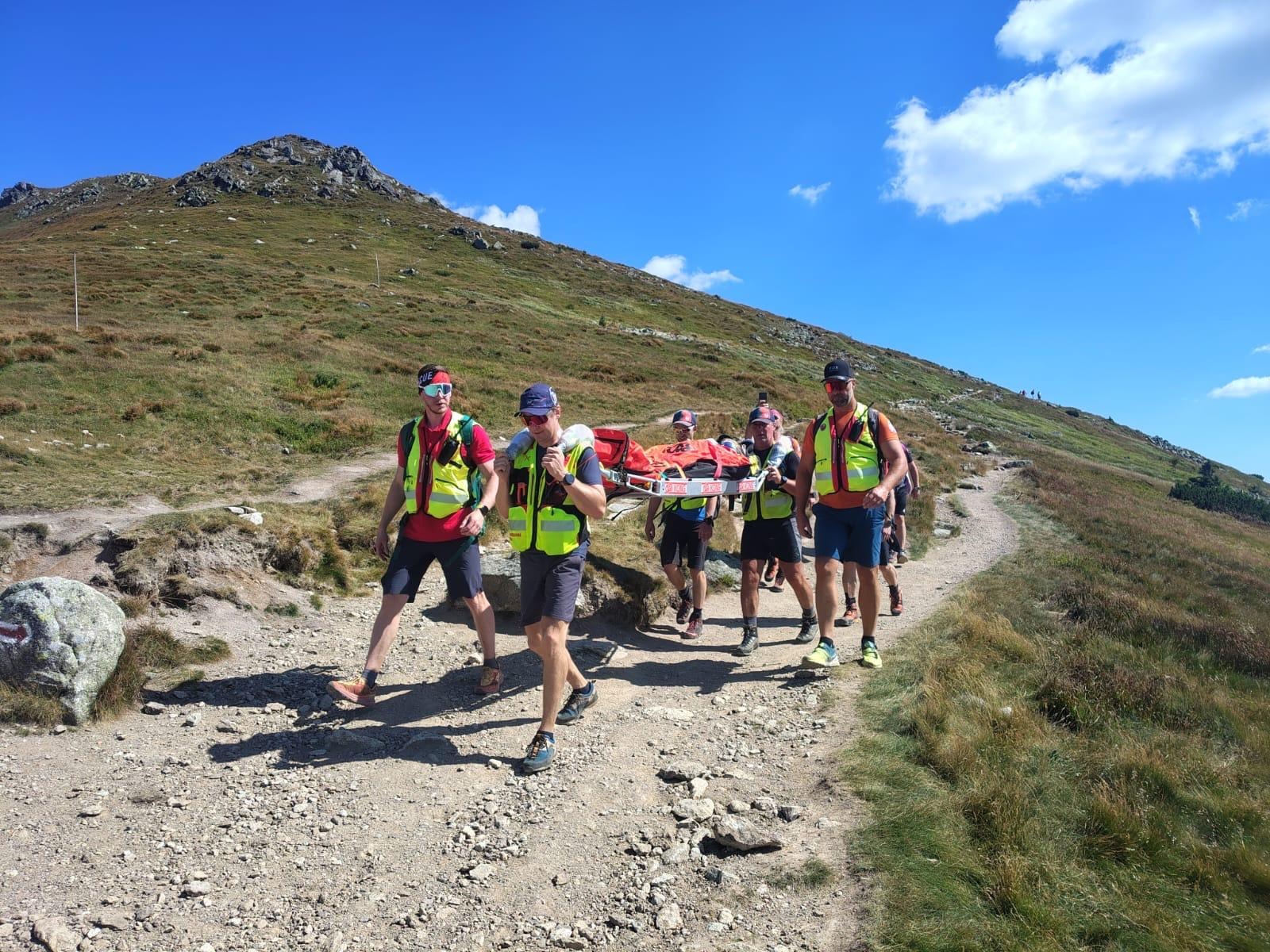
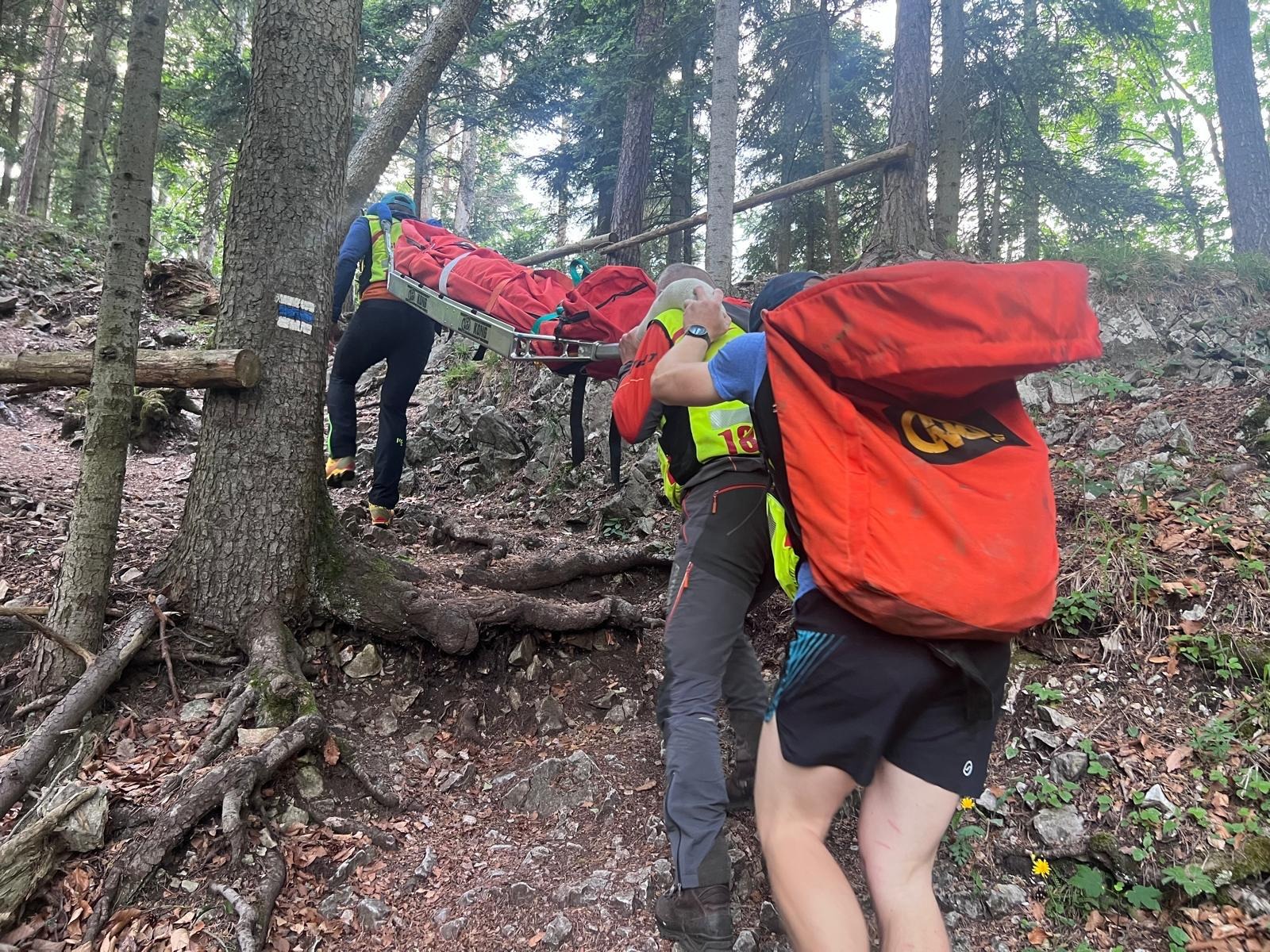
Ground Extraction
Transport using available ground routes and resources.
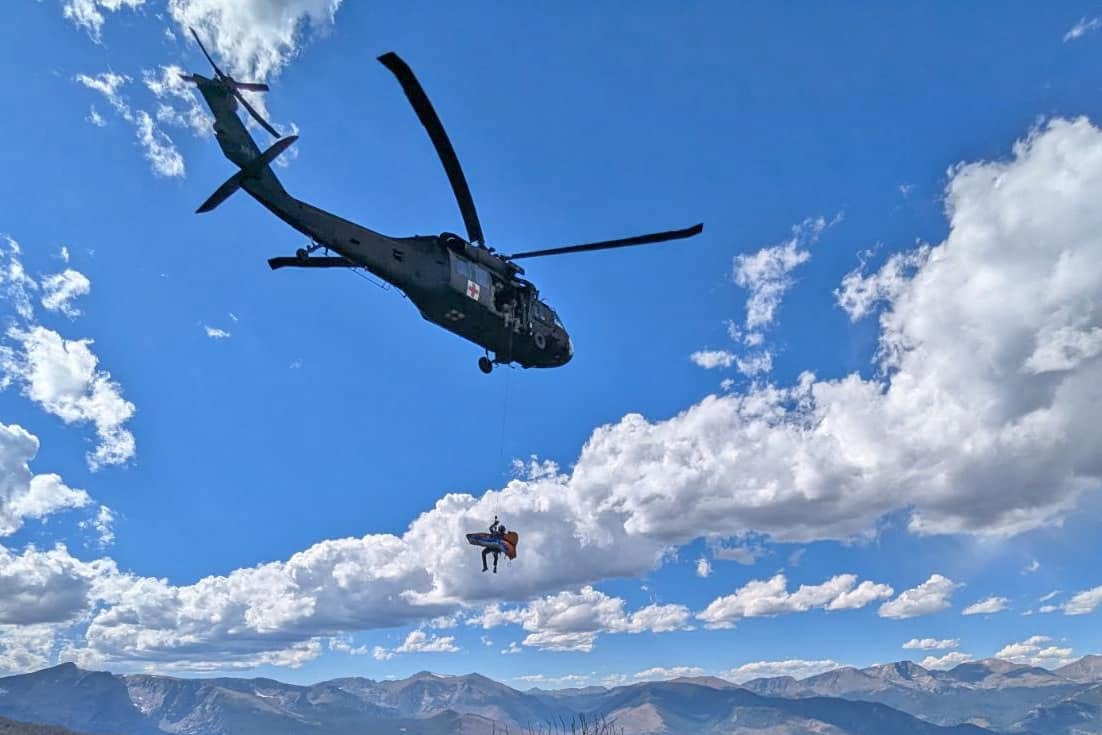
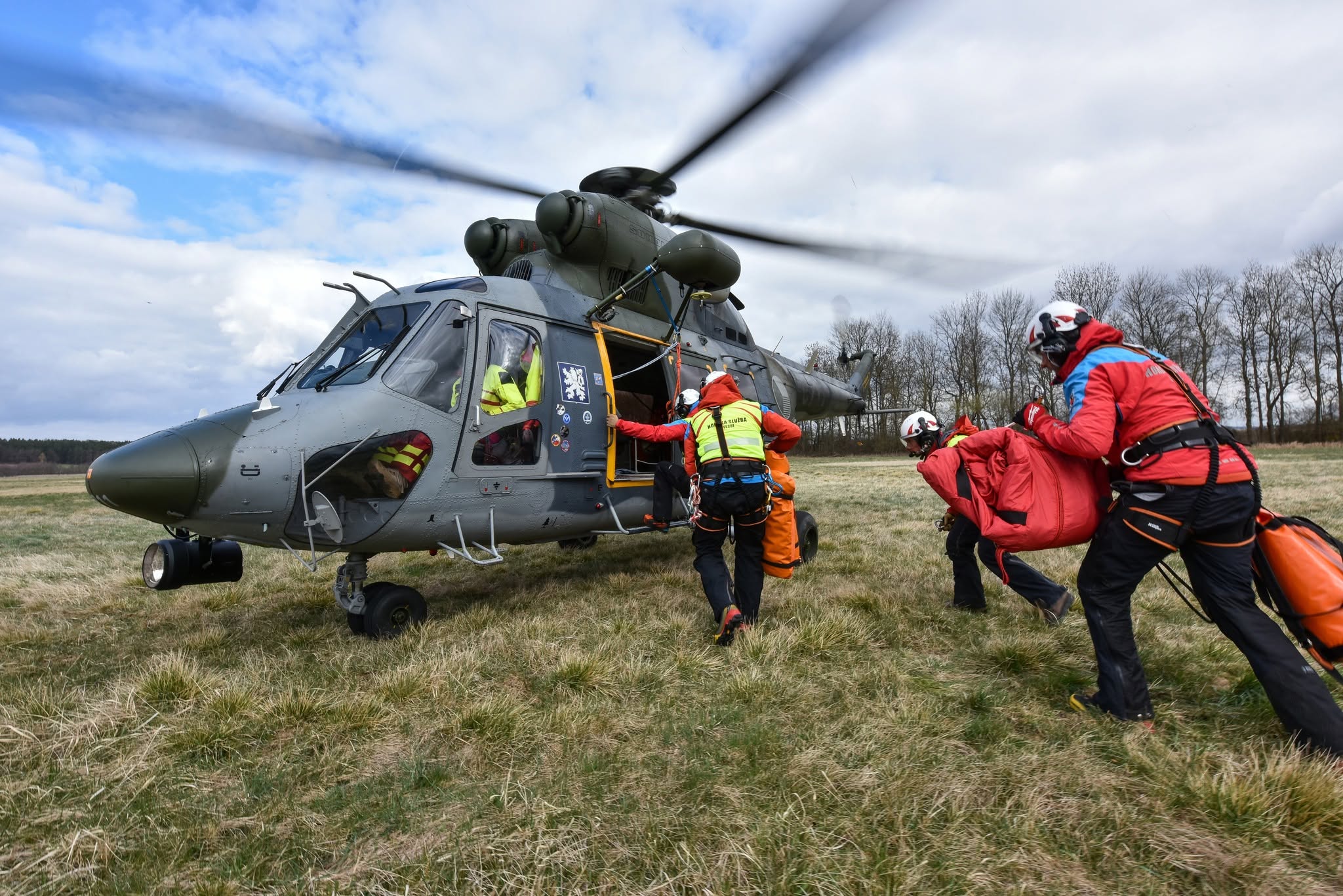
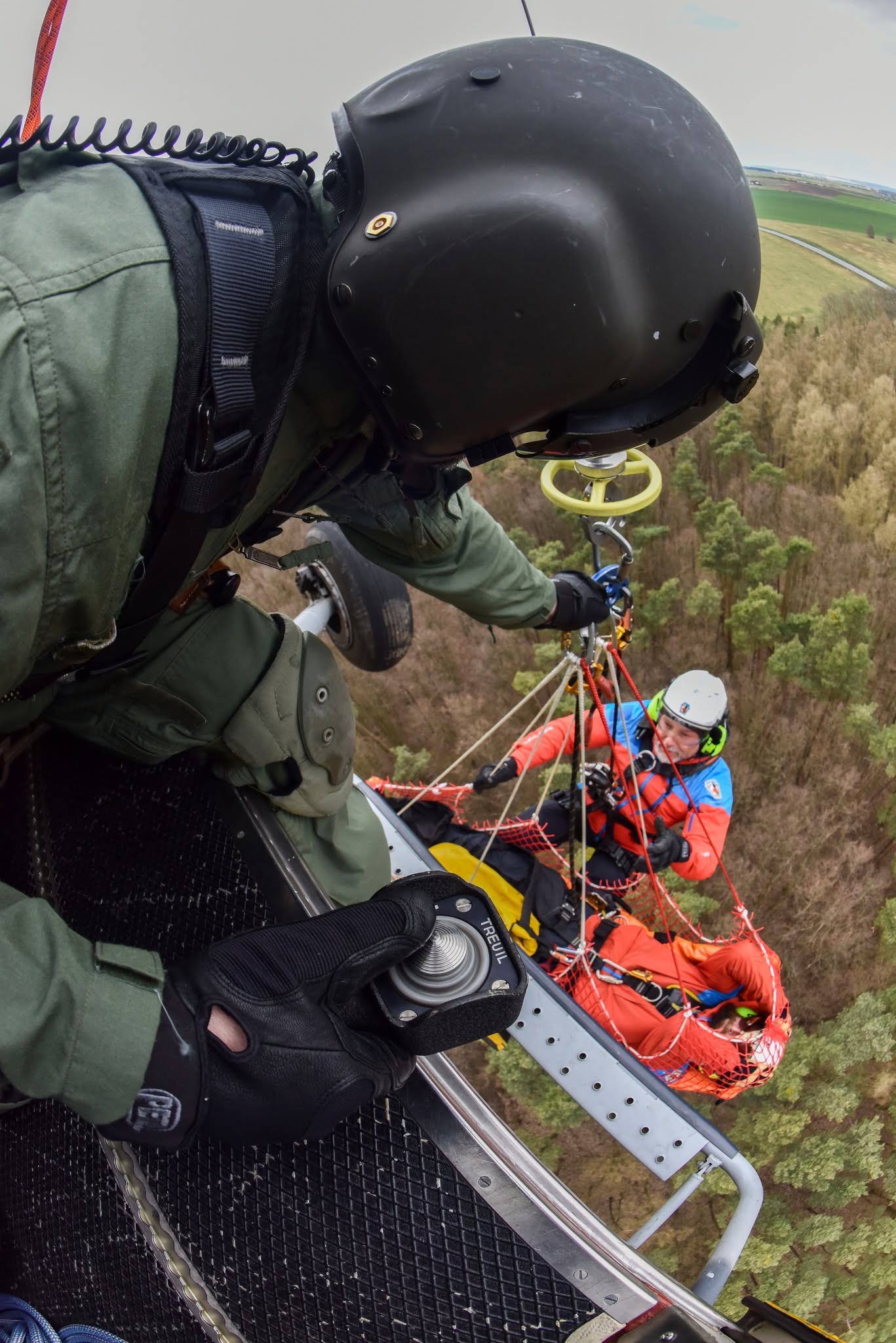
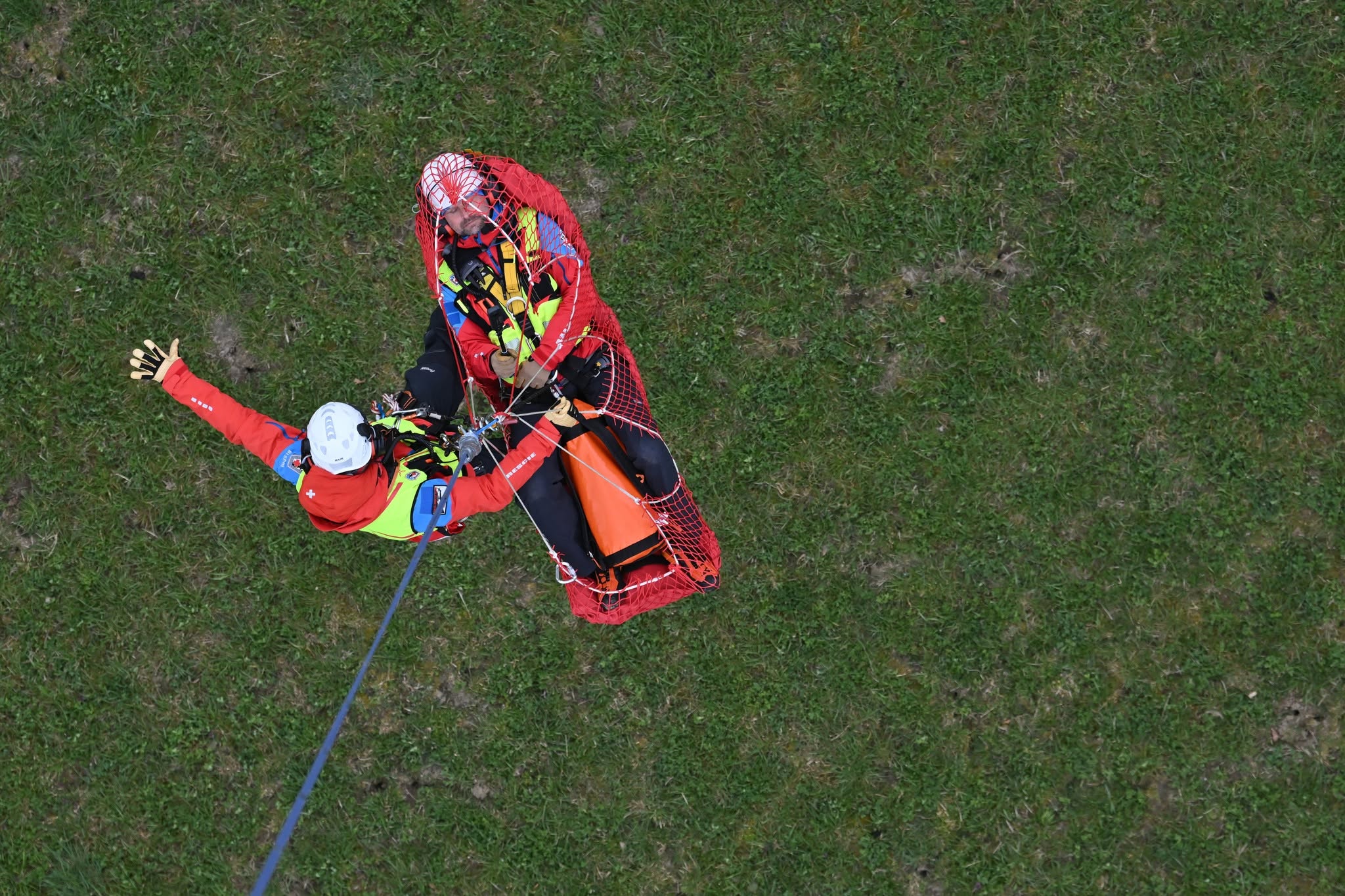
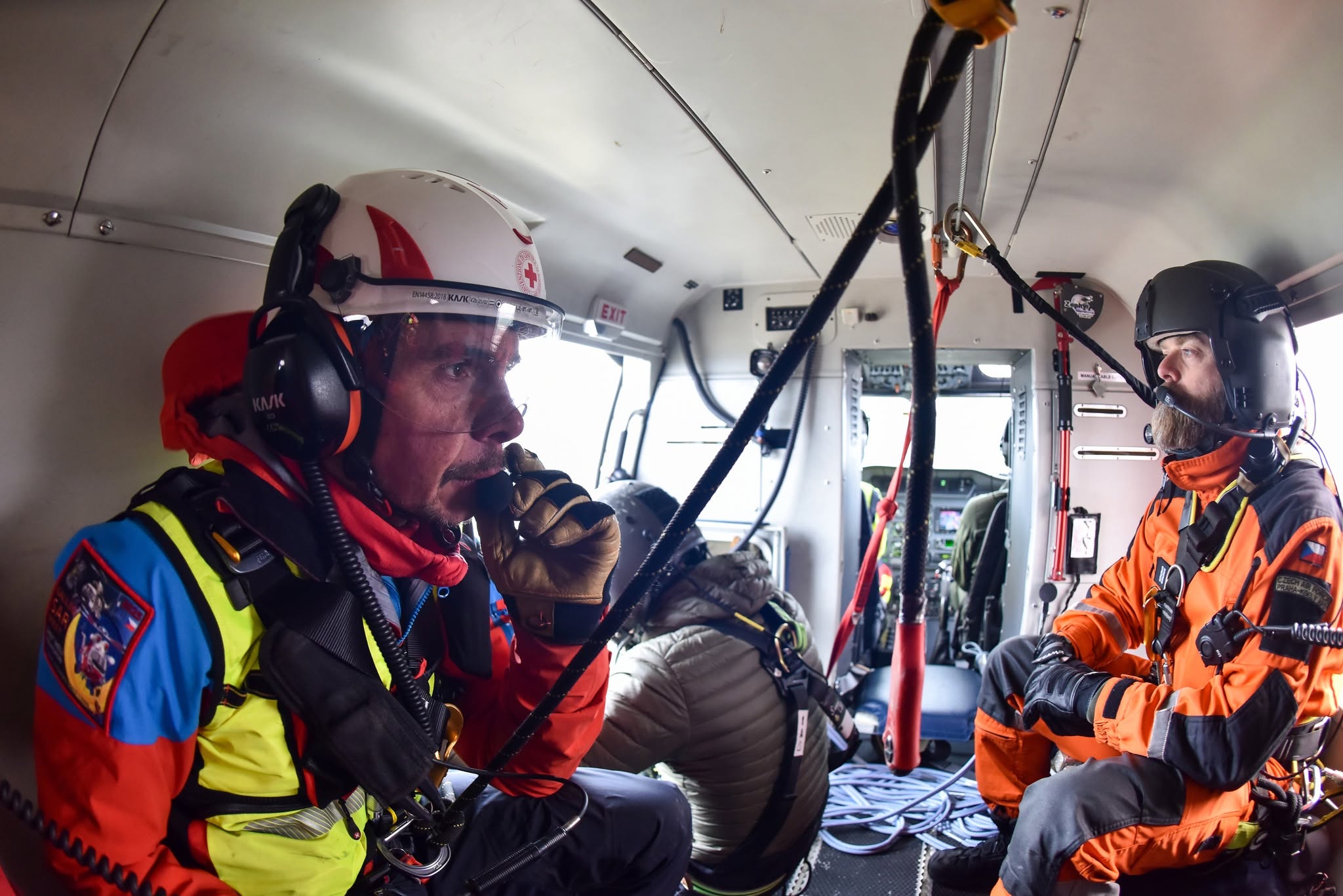
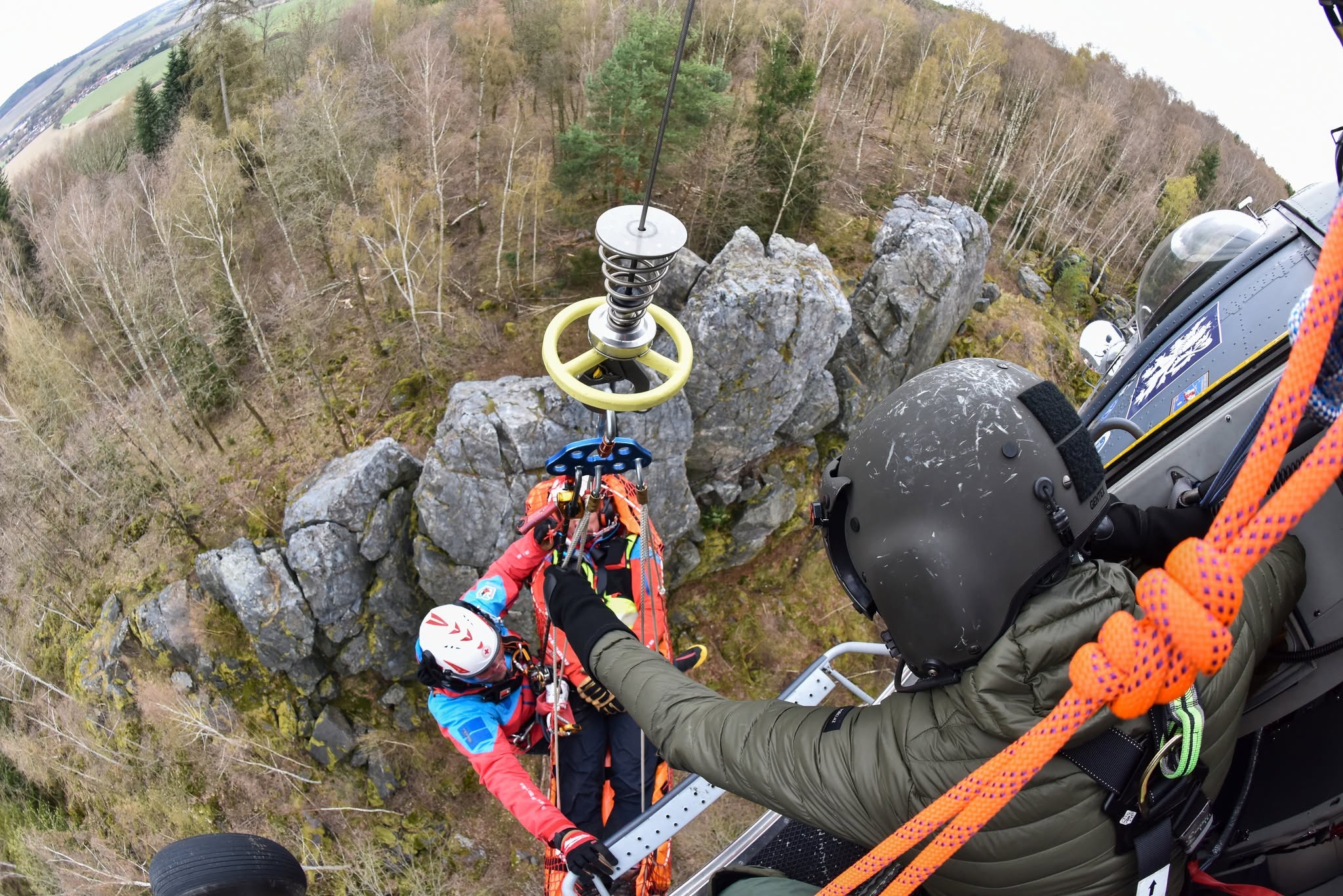
Aerial Extraction
Coordination of authorized aircraft when conditions permit.
Safety During Rescue
The procedure must always consider the safety of the affected person and the rescue team.
10. Initial Assessment and Assistance
Once the person has been located, an initial assessment of their condition is carried out within the training and scope of practice of the responding personnel, following the applicable procedures.
Level of Consciousness
Assessment of responsiveness and communication.
Breathing
Observation of respiratory condition.
Bleeding
Identification of bleeding or visible injuries.
Trauma
Initial assessment of injuries caused by the incident.
Cold Exposure
Consideration of environmental conditions and exposure time.
Altitude
Consideration of possible altitude-related effects.
Hydration
Assessment of fluid availability and intake.
Exhaustion
Assessment of fatigue and functional capacity.
Wounds
Identification of external injuries.
Mobility
Determination of the person's ability to move.
11. Rescue Team Safety
Rescuer Safety Is Also Part of the Mission
No SAR operation should disregard the risks faced by rescuers. Before and during the intervention, environmental conditions and available capabilities must be continuously assessed.
Avalanches
Assessment of hazards associated with snow and terrain.
Rockfall
Identification of exposed areas.
Crevasses
Assessment of hazards in glaciated terrain.
Flooding and Rising Water
Assessment of rivers and waterways.
Storms
Assessment of weather conditions.
Hypothermia
Protection against prolonged exposure to cold.
Plan Modification
If conditions exceed available capabilities, the plan must be modified to maintain operational safety.
12. Operational Communications
Maintaining Operational Control
Communications help maintain operational control, coordinate teams, and transmit relevant information throughout the different stages of the mission.
- Mobile phones.
- Radio.
- Satellite communications.
- Positioning systems.
- SOS devices.

Communications Organization
- Primary channel.
- Alternative channel.
- Communication schedules or intervals.
- Communications officer.
- Procedure for loss of communications.
- Record of important messages.
13. Evacuation
Once the situation has been stabilized, an evacuation strategy is determined. The choice depends on the person's condition, terrain, weather, accessibility, resource availability, and operational safety.
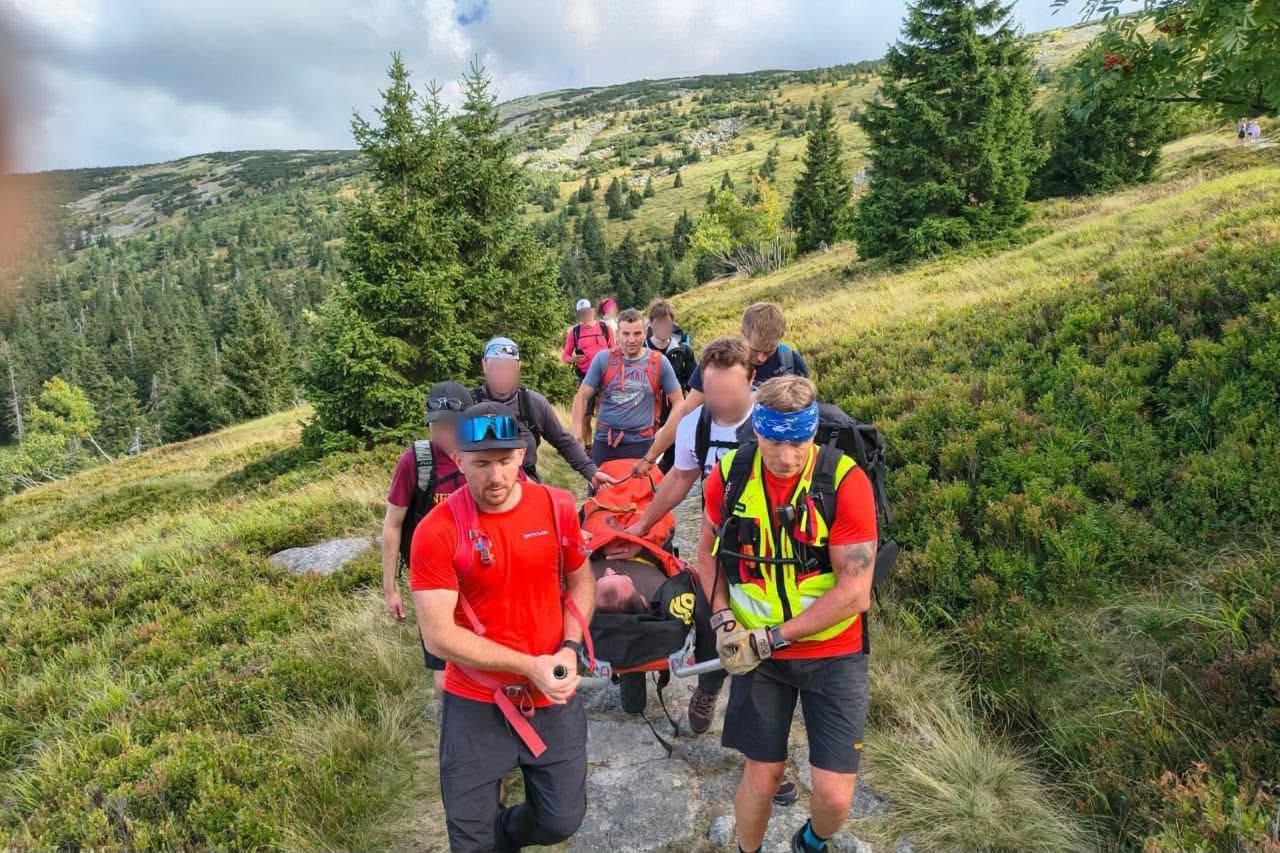
Assisted Evacuation
Movement on foot with assistance when conditions permit.
Ground Vehicle
Transport using available ground resources.
Air Transport
Use of an authorized aircraft when conditions permit.
Technical Extraction
Extraction from terrain requiring specialized technical capabilities.
14. Transfer to Medical Care
When medical attention is required, the person must be transported to the appropriate level of care. Whenever possible, the handover must include relevant information collected during the intervention.
- Information about the incident.
- Approximate time of the accident.
- Observed injuries.
- Assistance provided.
- Interventions performed within the team's scope of practice.
- Location where the person was found.
- Evacuation time.
15. Monitoring During Evacuation
Location
Tracking the person's position when available systems permit.
Communications
Maintaining contact with the teams involved.
Transport
Coordinating the resources used for evacuation.
Medical Destination
Coordination with the appropriate medical facility.
Authorized Contacts
Communication with authorized individuals when appropriate.
16. Operational Closure
Once the mission has been completed, the operational lead must confirm that all stages of the response have been completed.
Person Located
Confirmation that the person has been located.
Rescue Completed
Confirmation that the extraction has been completed.
Evacuation
Confirmation that the evacuation has been completed.
Handover
Confirmation of the appropriate handover.
Personnel Accounted For
Verification of all participating personnel.
Equipment
Recovery and inspection of equipment.
The operation must be formally declared complete once the required checks have been carried out.
17. Final SAR Report

Mission Documentation
Each mission should generate an operational report documenting the main stages of the response.
- Date and time.
- Location.
- Type of incident.
- People involved.
- Area of operations.
- Participating personnel.
- Communications used.
- Search actions.
- Rescue actions.
- Assistance provided.
- Evacuation.
- Handover.
- Duration of the operation.
- Additional incidents or hazards.
- Equipment used.
- Supporting documentation, where appropriate.
- Observations.
- Recommendations.
18. Post-Operation Review
Continuous Improvement of SAR Capabilities
After the mission, a review is recommended to identify what worked well, what difficulties arose, and which aspects can be improved.
Performance
Identify which elements worked correctly.
Difficulties
Document problems encountered during the mission.
Resources
Analyze which resources were needed.
Communications
Identify communication problems.
Risks
Document the hazards identified.
Training
Identify additional training needs.
This process supports the continuous improvement of SAR capabilities.
19. Training and Preparedness
Ongoing Preparedness
A SAR organization must maintain appropriate capabilities through regular training, simulations, and competency assessments.
- Technical rescue training.
- Mountaineering and high-altitude mountaineering.
- Glacier rescue.
- Rope techniques.
- Search techniques.
- Communications.
- Navigation.
- First aid and prehospital care within the team's scope of practice.
- Coordination with aviation resources.
- Weather management.
- Risk management.
- Incident command and coordination.
- Joint exercises.
20. Interagency Coordination
SAR operations may require coordination with different agencies, depending on the country, jurisdiction, and nature of the incident.
Law Enforcement Authorities
Coordination according to the relevant responsibilities.
Aviation and Rescue Services
Coordination of aviation resources and available capabilities.
Emergency Services
Support during the response and evacuation.
Medical Facilities
Continuity of medical care.
Local Authorities
Territorial coordination, where appropriate.
Rescue Organizations
Integration of specialized capabilities.
Coordination must respect the legal and operational responsibilities of each institution.
21. Information Protection
Operational Information and Sensitive Data
Information obtained during an emergency may contain personal data, medical information, coordinates, routes, and other sensitive details.
Confidentiality
Protection of information obtained during the mission.
Controlled Records
Organized management of operational information.
Secure Communications
Responsible use of available communication channels.
Restricted Access
Access based on operational responsibilities.
Record Retention
Proper preservation of records.
Applicable Regulations
Compliance with the relevant regulations.
Information must be shared only with individuals or institutions that need it to perform a legitimate operational function.
22. Special Considerations for High-Altitude Environments

High- and Extreme-Altitude Environments
Environmental conditions can rapidly affect response capabilities and increase the time required for approach and evacuation.
Altitude
Consideration of the elevation of the operational area.
Extreme Temperatures
Exposure to severe cold conditions.
Wind
Assessment of wind conditions.
Ice and Snow
Surface conditions and movement considerations.
Technical Terrain
Need for specialized access capabilities.
Crevasses and Avalanches
Assessment of terrain-related hazards.
Changing Weather
Conditions that may change rapidly.
Oxygen Availability
Consideration of reduced oxygen availability at altitude.
Reduced Visibility
Conditions that may limit search and approach operations.
Aviation Resources
Consideration of operational limitations.
Response Time
Longer approach and evacuation times.
Changing Conditions
Planning must take into account that environmental conditions can change rapidly and that response capabilities may be limited by altitude, weather, accessibility, and resource availability.