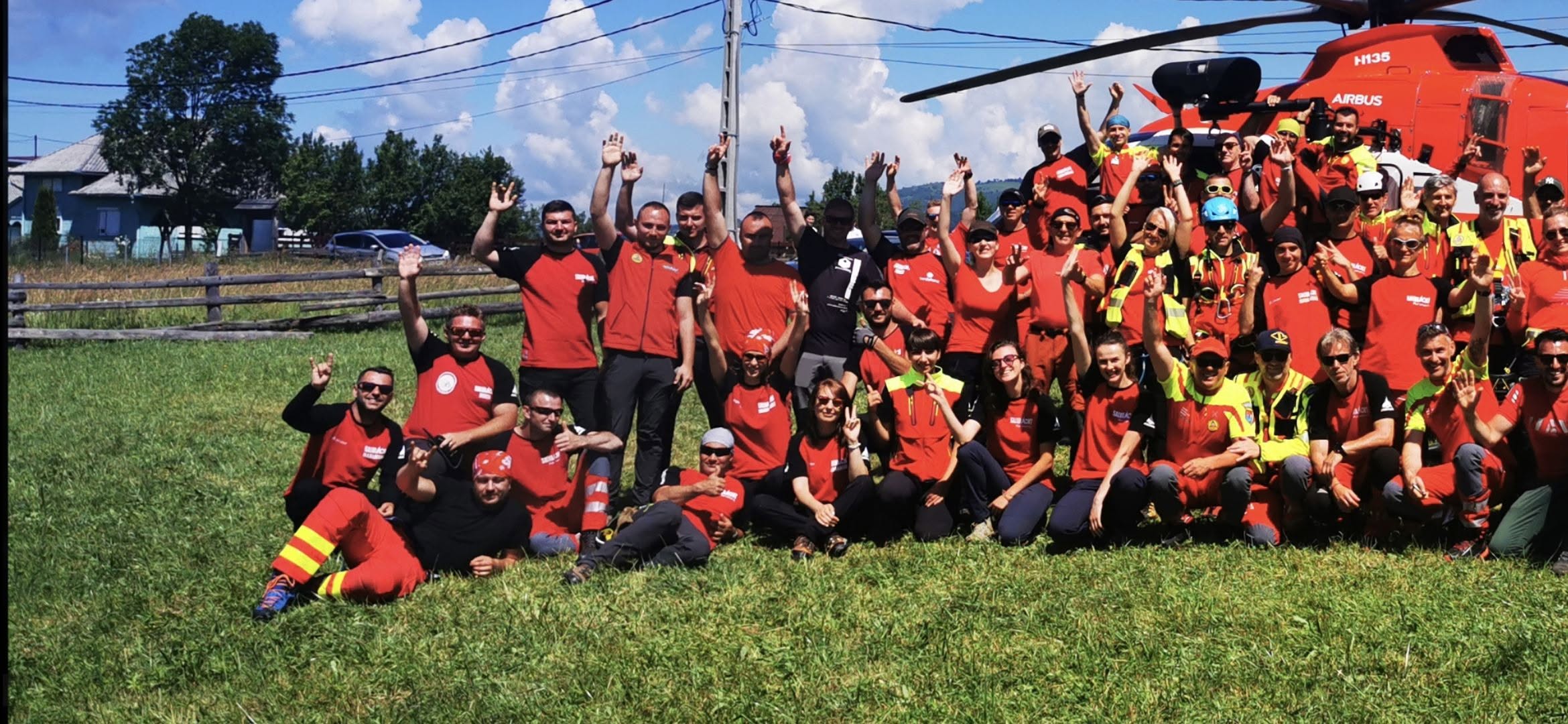
Trekking and Expeditions
Medical Assistance Through Remote Communications
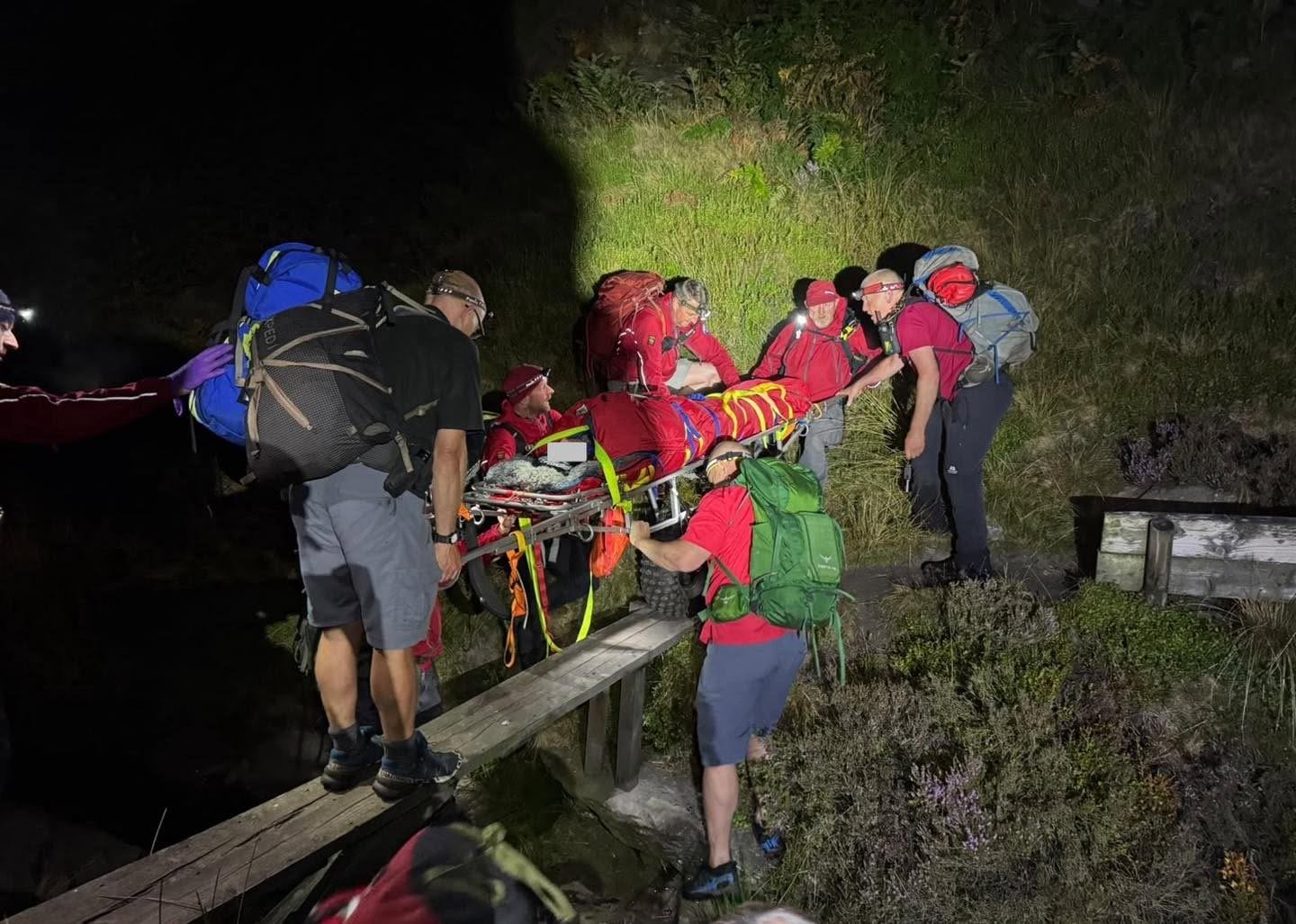
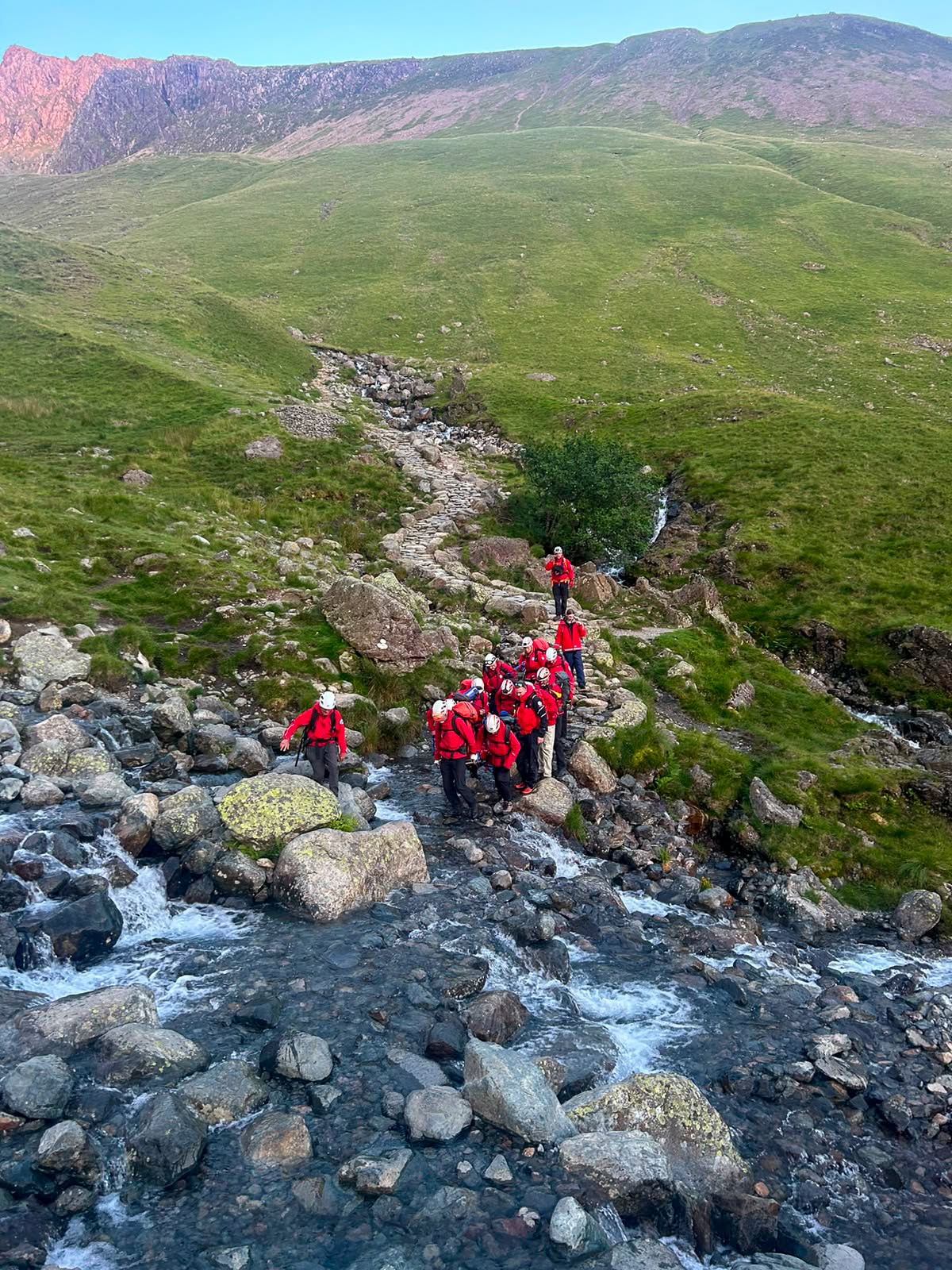
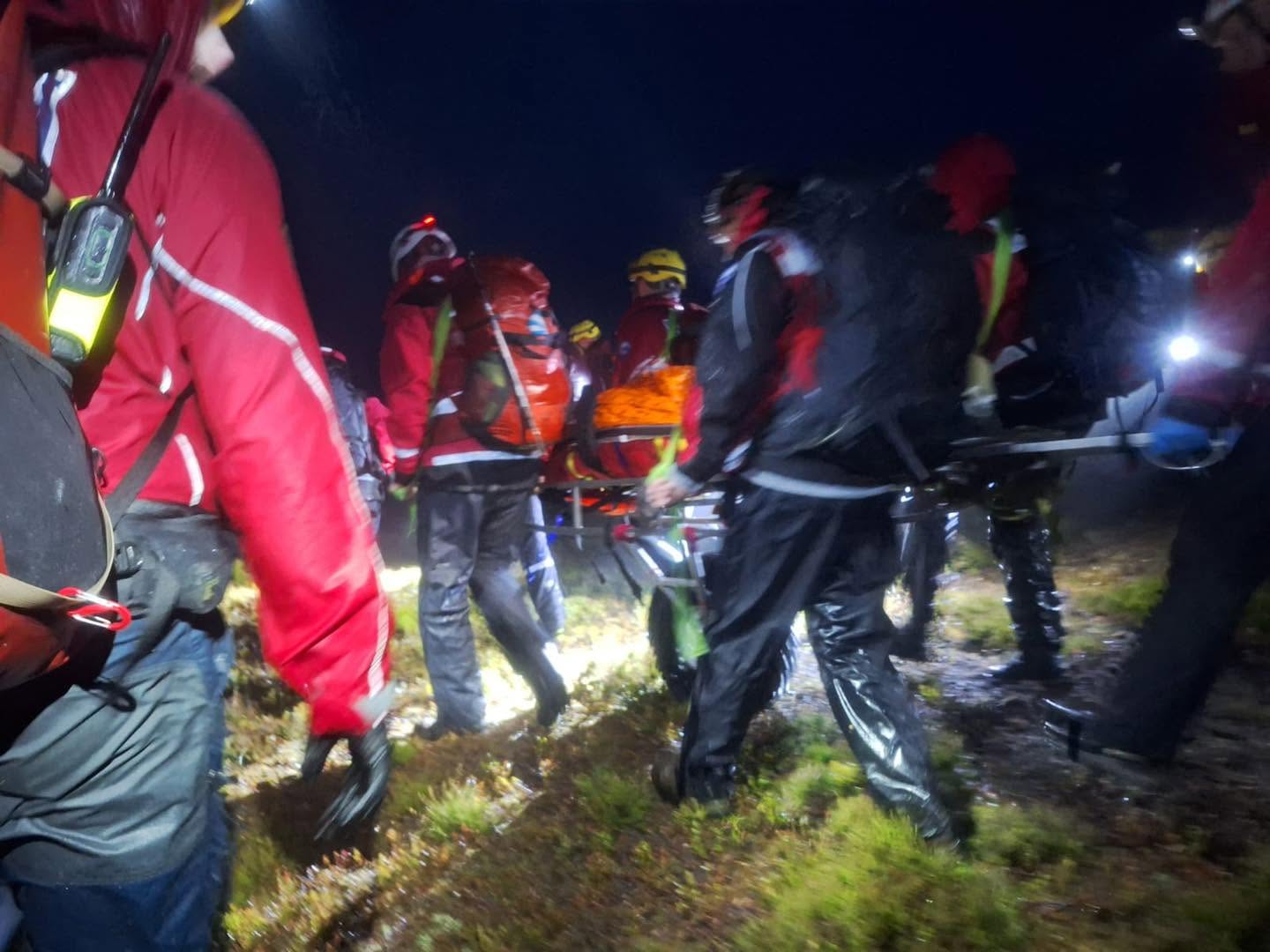
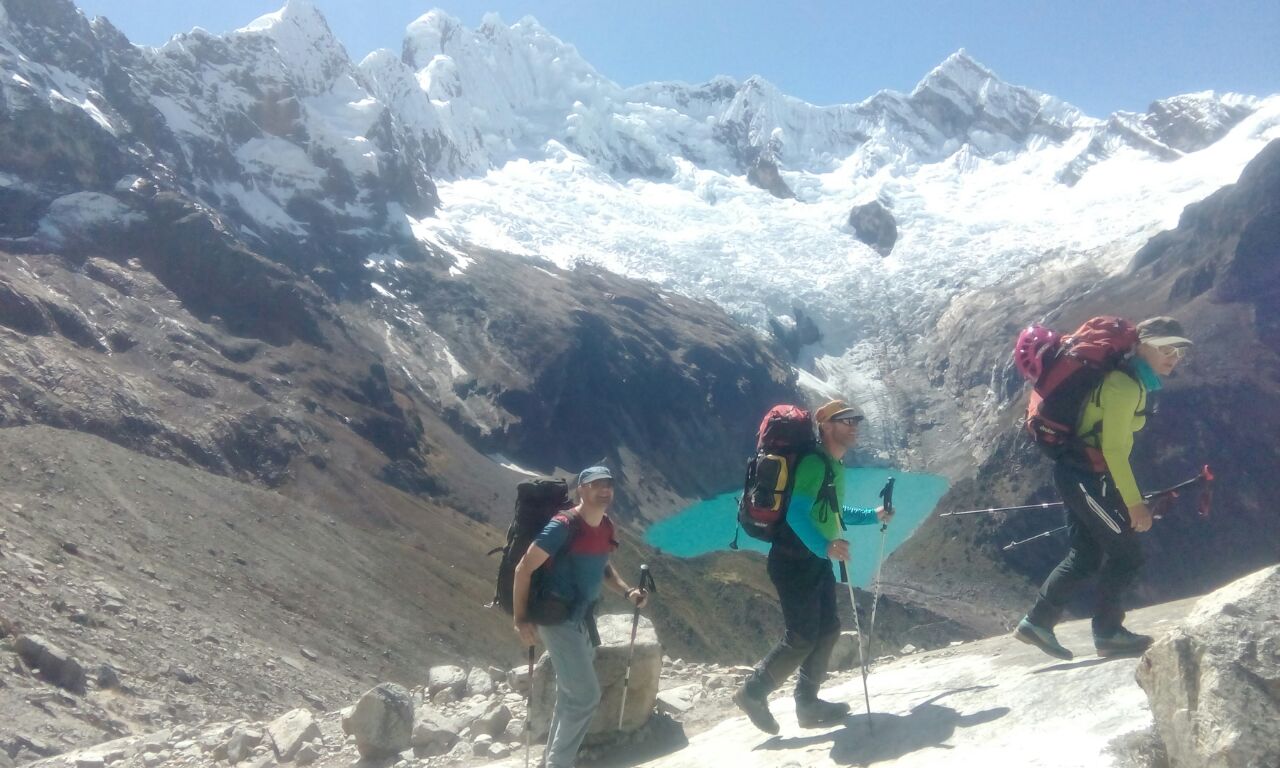
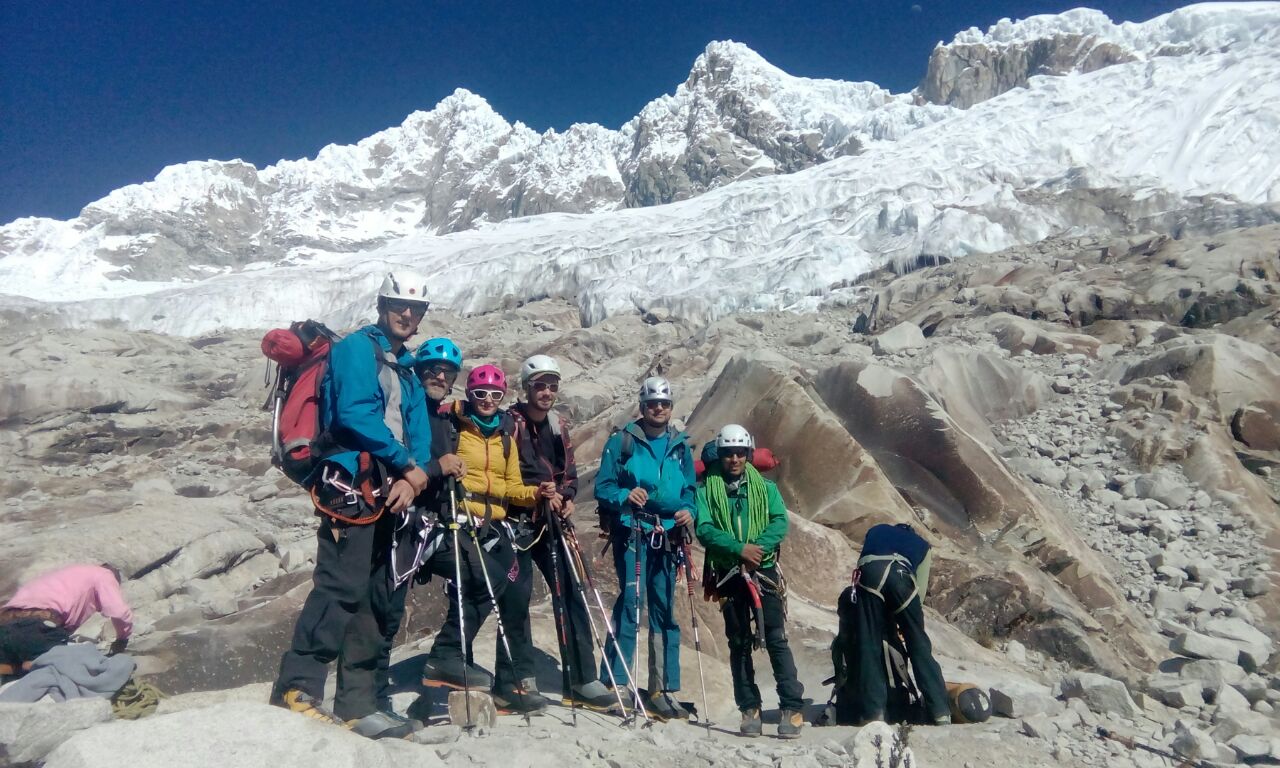
In high mountains, at extreme altitudes, on glaciers, during expeditions, trekking routes, and in remote areas, the distance to a medical facility can make immediate medical care difficult.
Medical assistance through remote communications makes it possible to establish a communication link between the affected person, expedition companions, SAR teams, medical personnel, coordination centers, and other available resources. Information about location, condition, symptoms, progression, surroundings, and needs can be used to support assessment and coordinate the response.
One Emergency, Multiple Communication Channels
SAR24 can integrate different communication methods depending on coverage, location, equipment availability, and environmental conditions.
Mobile Phones
Enable direct communication when cellular coverage is available and allow the initial collection of information about location, condition, symptoms, and needs.
Radio Communications
Facilitate coordination between deployed teams, especially in areas where mobile phone service is unavailable.
Satellite Communications
Enable messages, coordinates, and updates to be transmitted from areas outside conventional communication networks.
SOS Devices
Can transmit an alert and location data from certain remote areas, depending on the device and available service.
What Information Can the SAR Team Obtain?
GPS and Coordinates
Positioning information helps determine or estimate the affected person's location and guide operational decision-making.
Satellite Messaging
Enables information exchange when conventional cellular coverage is unavailable.
- Where is the person?
- What happened?
- How many people are affected?
- What symptoms are they experiencing?
- Can they move independently?
- What resources do they have available?
- What are the environmental conditions?
Tracking Platforms
Enable positions and movements to be displayed when devices transmit compatible tracking data.
- Current position
- Route traveled
- Direction of travel
- Time since the last update
- Camps and reference points
- Last known position
- Locations of different teams
Clinical Information from the Field
What Information Can Be Transmitted?
When communication is available, field teams can transmit relevant information about the person's condition and how it changes over time.
The Terrain Tells a Story Too
Photographs and videos can supplement coordinates and verbal descriptions of the location.
Remote Guidance and Support
While response teams are mobilizing, communications can be used to provide basic operational guidance, always adapted to the actual conditions and capabilities of the people on site.
Continuous Situation Updates
Loss of Communication
In remote areas, signal loss may occur due to topography, distance, weather conditions, obstacles, limited battery power, or device failures. Loss of communication should not automatically be interpreted as the person being lost. The last known position, time of last contact, planned route, and direction of travel can be used to develop a search strategy.
Managing Communication Systems
Battery Level
Periodically check the battery levels of phones, radios, GPS devices, satellite messengers, and SOS equipment.
Power Sources
Consider external batteries, power banks, solar chargers, and spare batteries.
Signal Availability
Select the most suitable available communication method based on location and terrain conditions.
Satellite Coverage
Consider sky visibility, location, and environmental characteristics.
Device Status
Check that equipment remains operational and is correctly configured.
Emergency Duration
Adapt power consumption to the expected duration and prioritize essential communications.
Communications for Air Operations
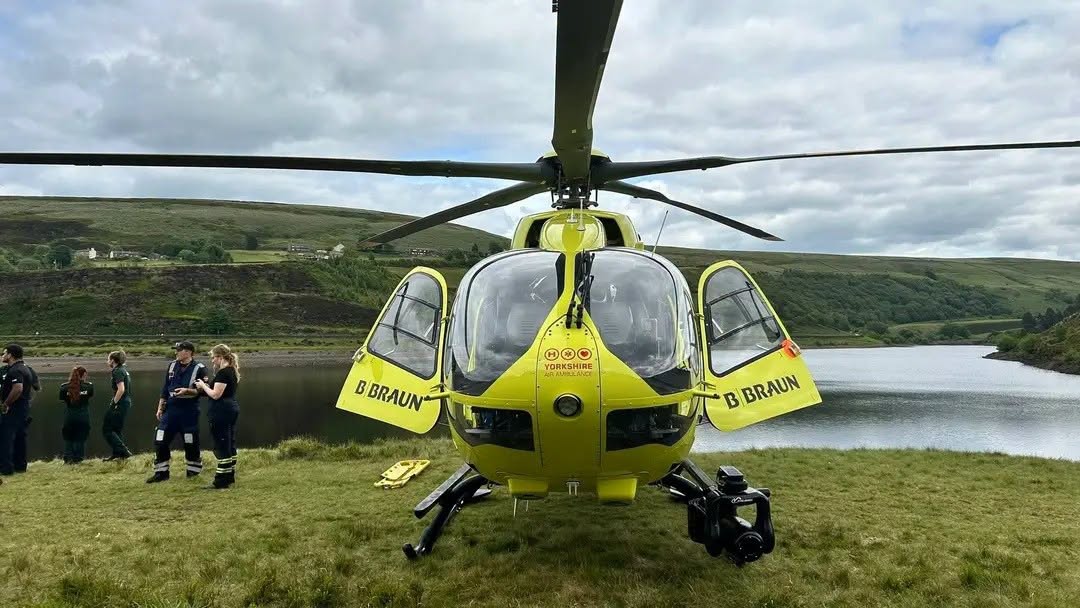
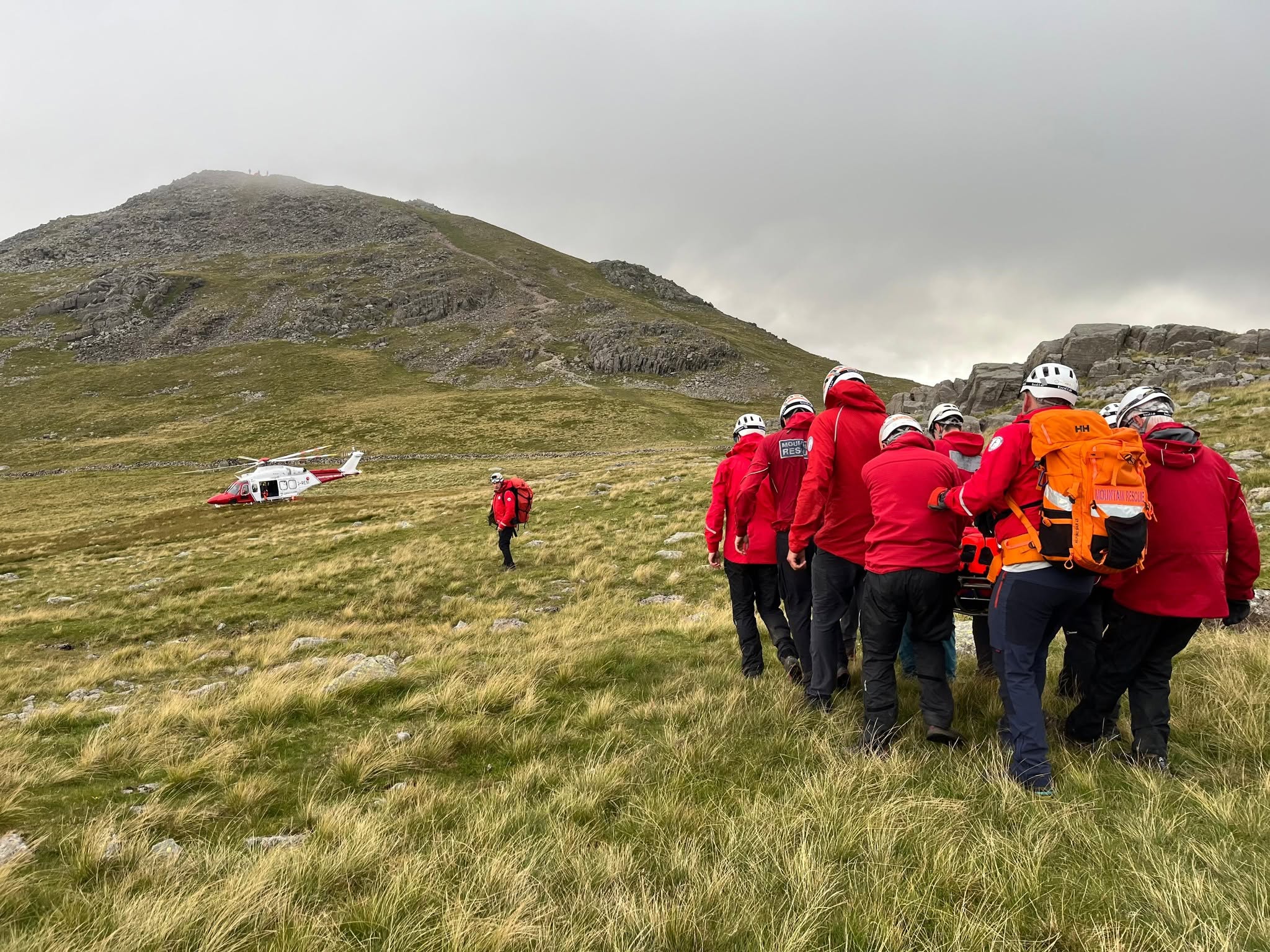
When air support may be available, communications make it possible to transmit relevant information for assessing approach, reconnaissance, extraction, or evacuation operations.
Communication with the Next Level of Care
When a person requires medical evacuation, information collected during the operation can be transmitted to the facility or medical resource receiving the patient, helping maintain continuity of information across the different levels of response.