
SPECIALIZED MOUNTAIN RESPONSE
Specialized search, location, rescue, and evacuation services for individuals, groups, expeditions, and organizations operating in mountain environments, remote areas, and difficult-to-access terrain.
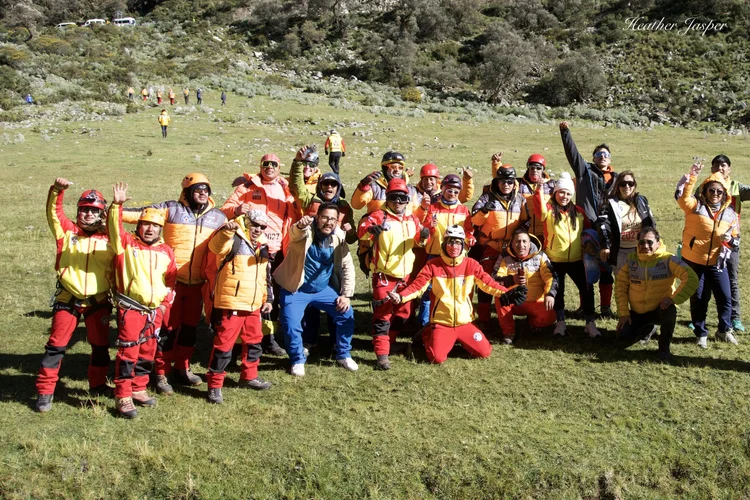
A response tailored to every emergency
Mountain search and rescue operations require specific planning. Each response may be affected by altitude, terrain, weather conditions, accessibility, elapsed time, and the condition of the people involved.
SAR24 follows a structured process involving location, assessment, search, rescue, stabilization, and evacuation, adapting its strategy and resources to the specific circumstances of each emergency.
FROM ALERT TO EVACUATION
LOCATE
GPS, coordinates, satellite devices, phones, routes, and last known locations.
ASSESS
Terrain, altitude, weather conditions, accessibility, hazards, and the condition of the people involved.
RESCUE
Ground-based, technical, vertical, or glacier rescue using specialized resources as required.
EVACUATE
Transportation and coordination with ground and air resources and medical facilities.
SEARCH & RESCUE 24/7 CAPABILITIES
An operation may require one or more capabilities, depending on the specific circumstances of the emergency.
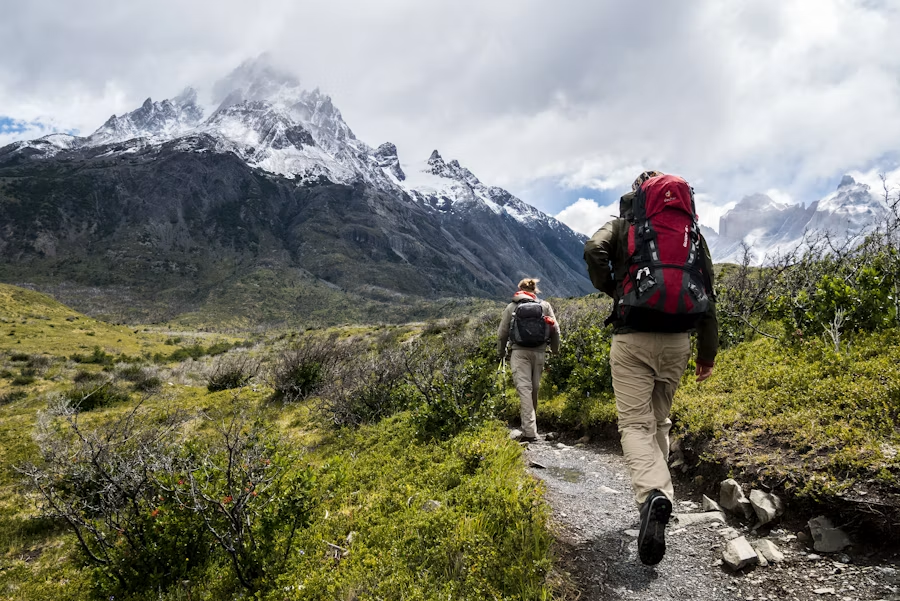
SEARCH AND LOCATION
The first phase of an operation involves gathering information to determine the possible location of the missing person or group.
View capabilities
- Geolocation using GPS coordinates.
- Satellite tracking and communications.
- Available information from phones and electronic devices.
- Mapping and terrain analysis.
- Route analysis and identification of last known locations.
- Weather assessment to identify priority search areas.
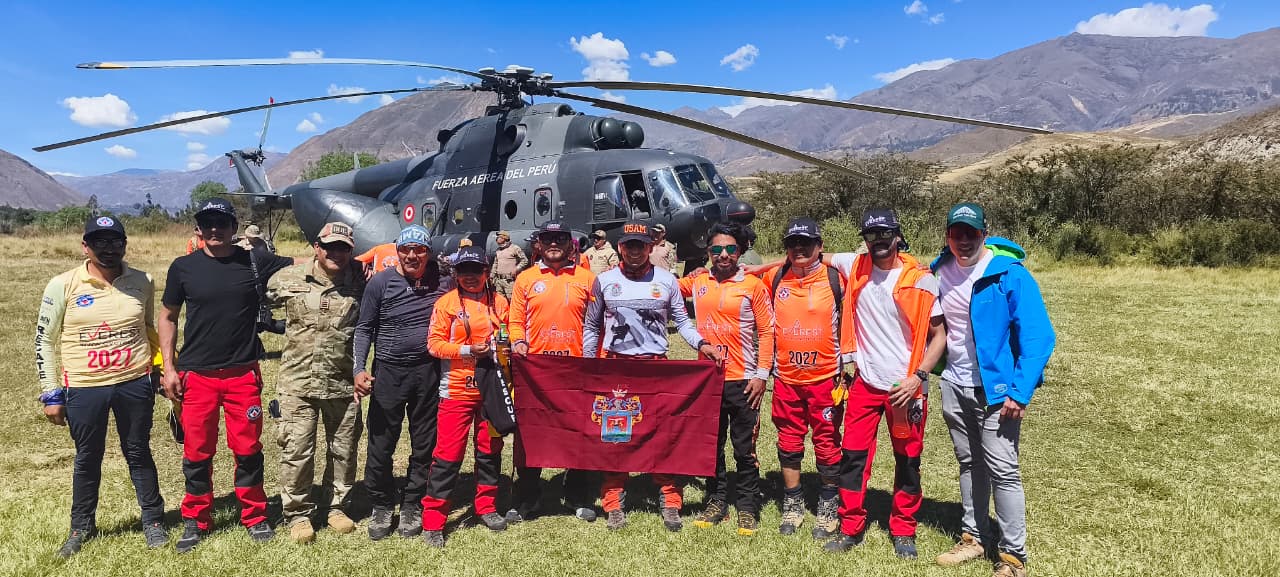
HIGH AND EXTREME ALTITUDE
High-altitude operations present specific environmental and physiological challenges that must be considered throughout the entire intervention.
View scenarios
- High mountains and high-altitude areas.
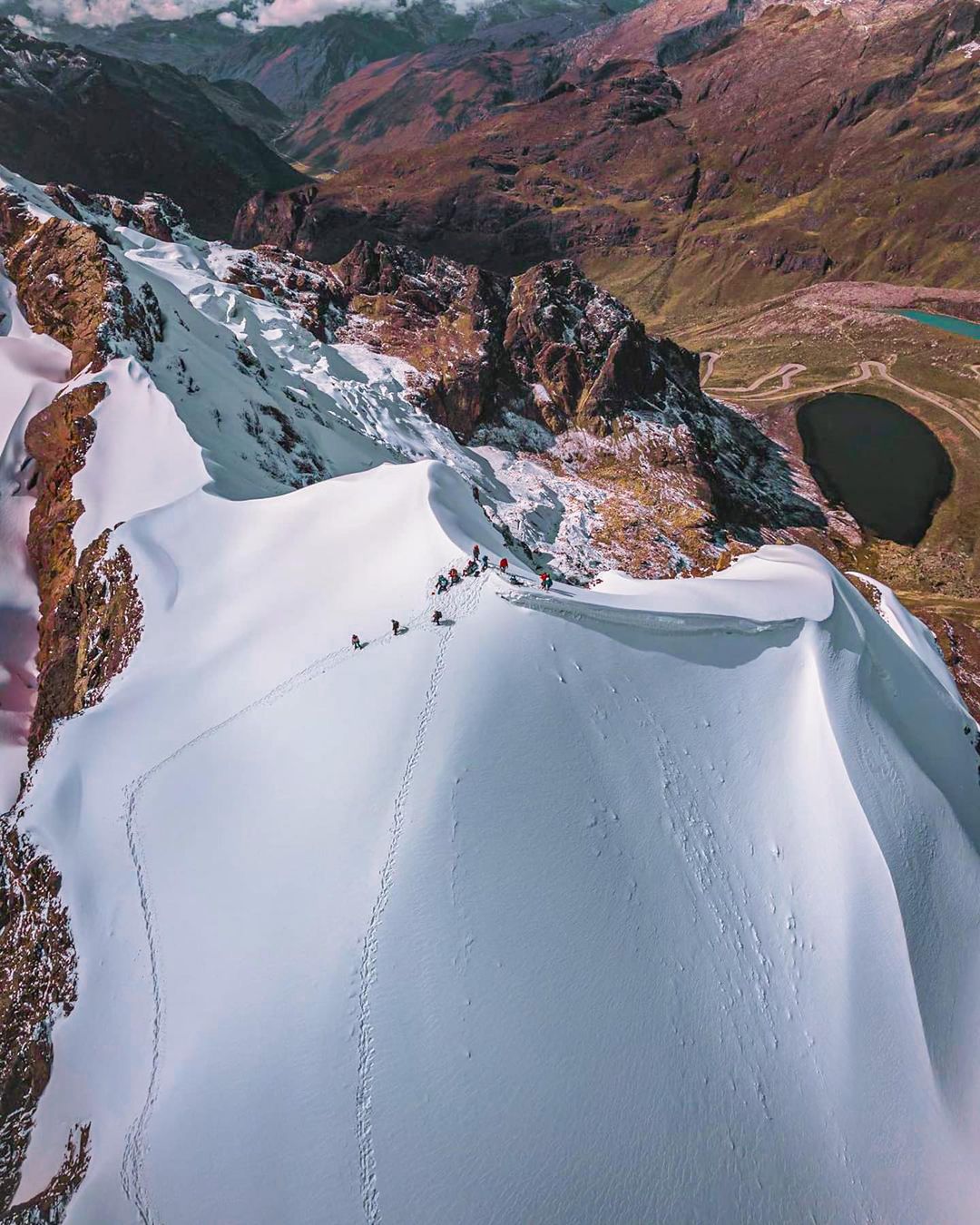
- Glaciers and snow-covered areas.
- Technical terrain and vertical environments.
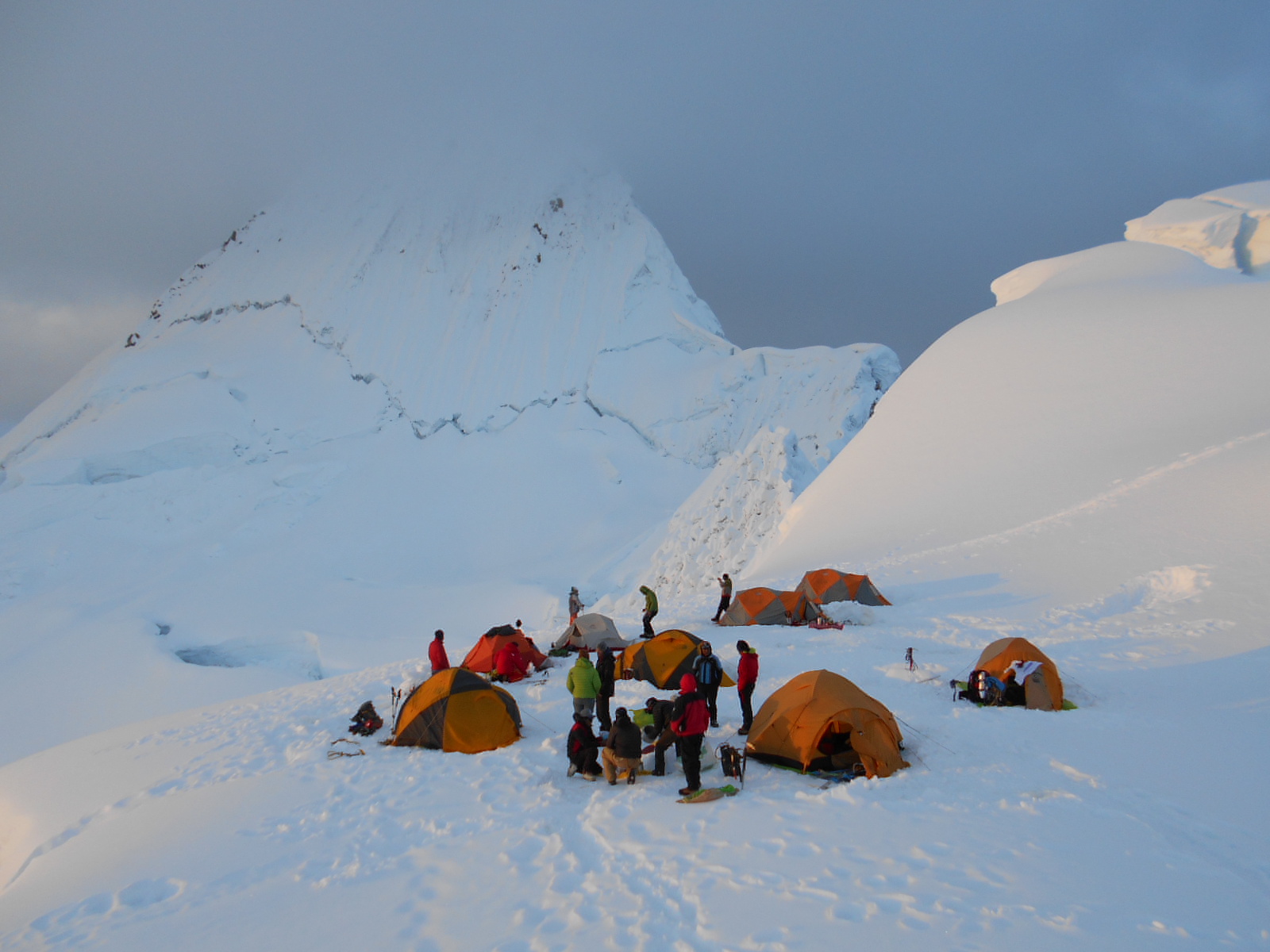
- Base camps and advanced camps.
- Trekking and expedition routes.
- Remote areas without vehicle access.
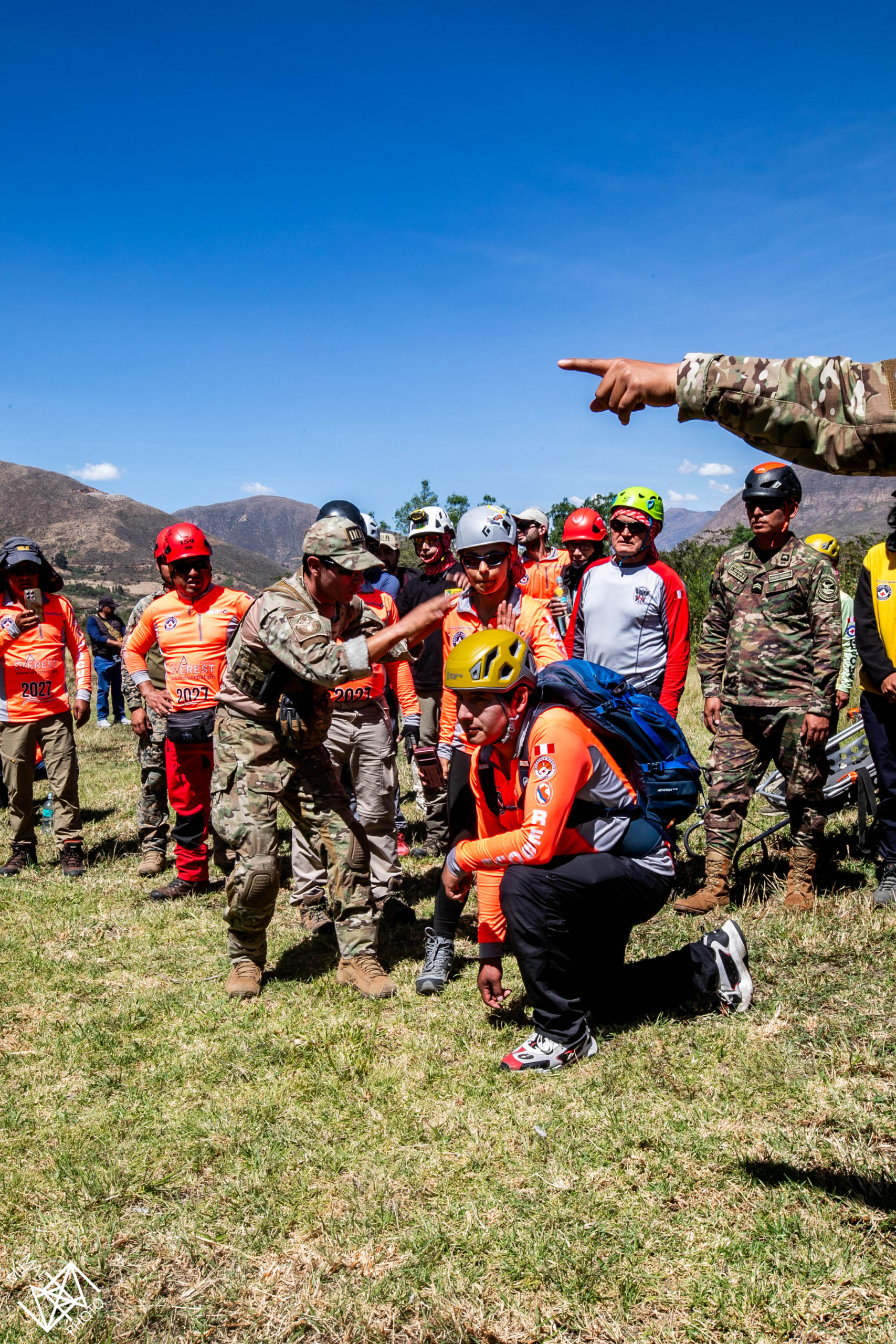
MISSING PERSONS
When a person fails to reach the planned destination, contact is lost, or they deviate from their intended route, time can become a critical factor.
View capabilities
- Identification of the last known location.
- Analysis of routes and possible movements.
- Ground navigation and tracking.
- Location tracking through satellite devices.
- Night searches when conditions permit.
- Coordination of multiple search teams.
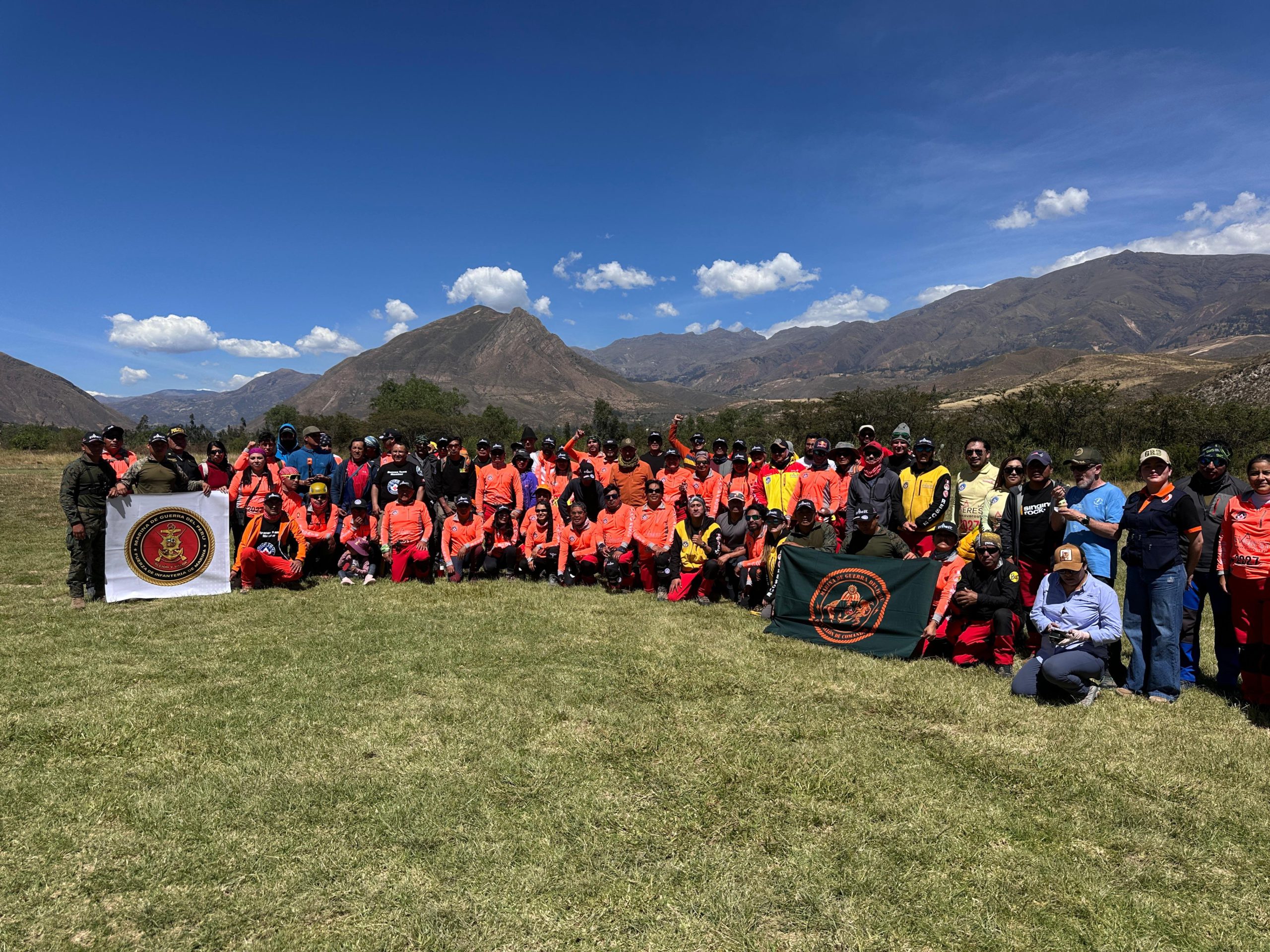
TECHNICAL MOUNTAIN RESCUE
Some emergencies require specialized techniques when a person is located in terrain where conventional access is not possible.
View scenarios
- Cliffs and vertical terrain.
- Technical rope systems.
- Glaciers and icy terrain.
- Steep slopes.
- Crevasses and difficult-to-access areas.
- Technical corridors and mountain passes.
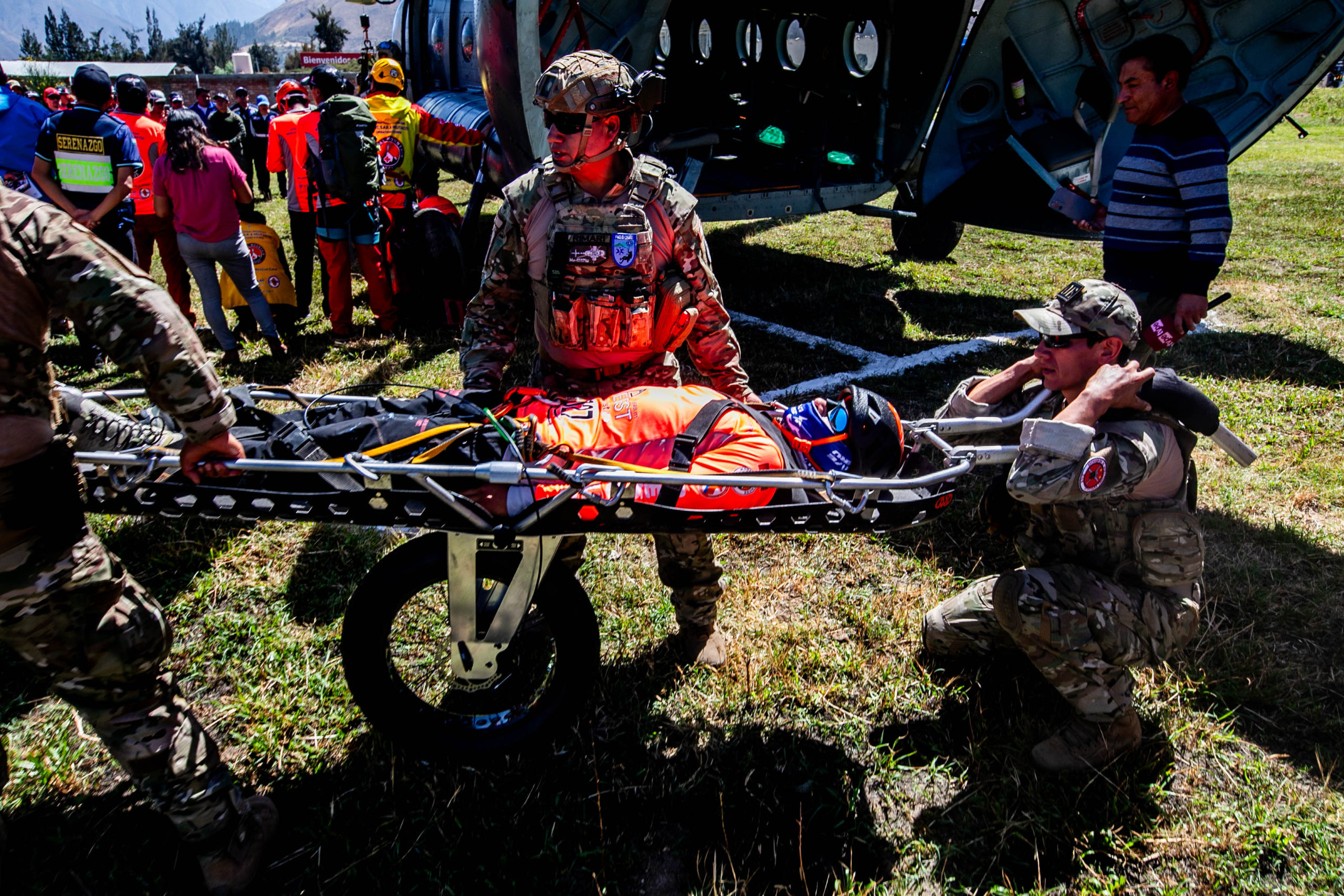
ASSESSMENT AND STABILIZATION
Once the person has been located, their condition and the surrounding environment are assessed to determine assistance and evacuation priorities.
Situations assessed
- Trauma and injuries.
- Fractures and musculoskeletal injuries.
- Initial trauma assessment.
- Hypothermia and cold exposure.
- Altitude-related conditions.
- Dehydration and physical exhaustion.
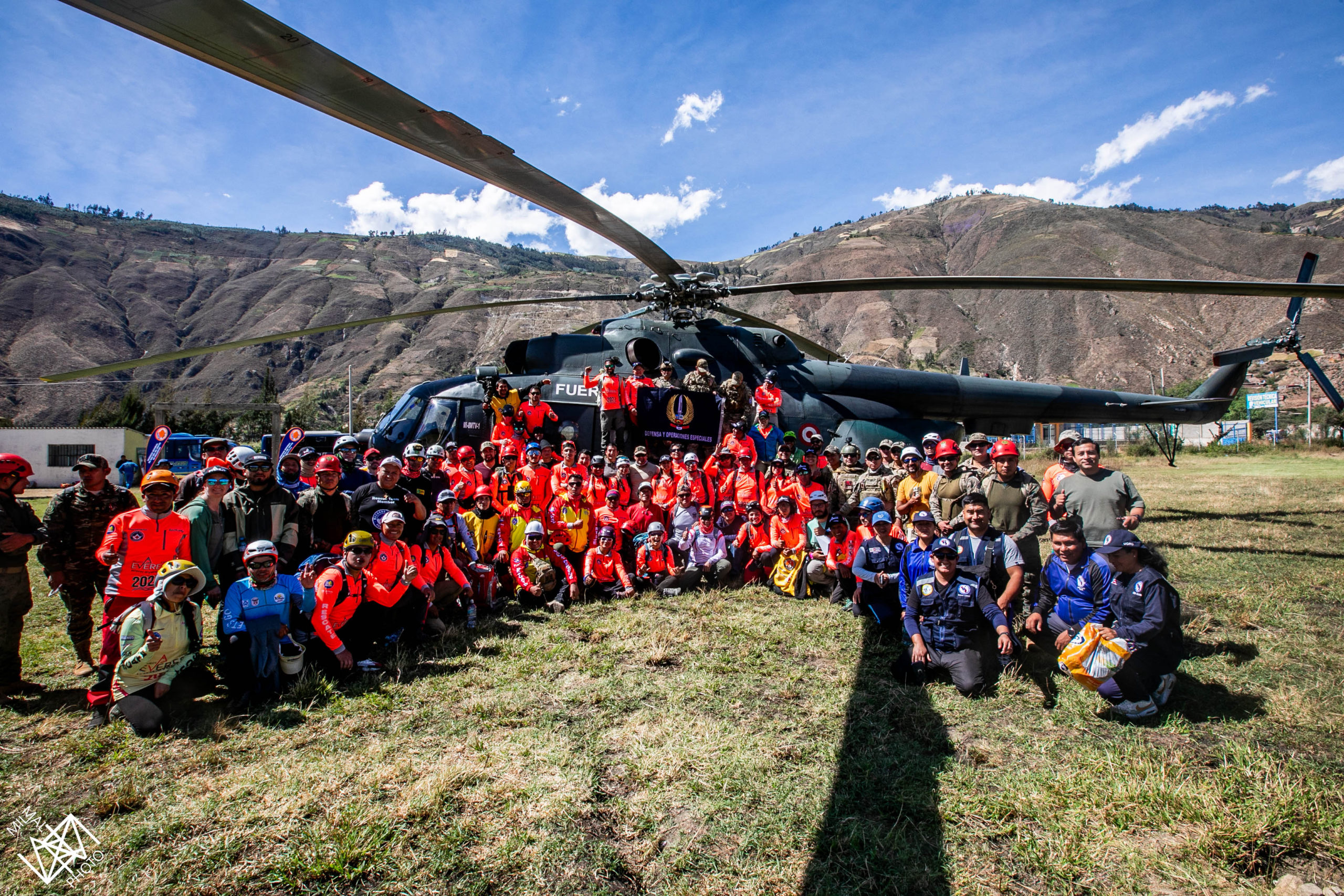
EVACUATION AND AIR OPERATIONS COORDINATION
When conditions permit, air resources may be coordinated to support the location, extraction, transportation, or evacuation of people.
View capabilities
- Identification of the extraction point.
- Coordination with air operators.
- Assessment of weather conditions.
- Assessment of terrain and altitude.
- Communications between ground and air teams.
- Coordination of subsequent transportation.
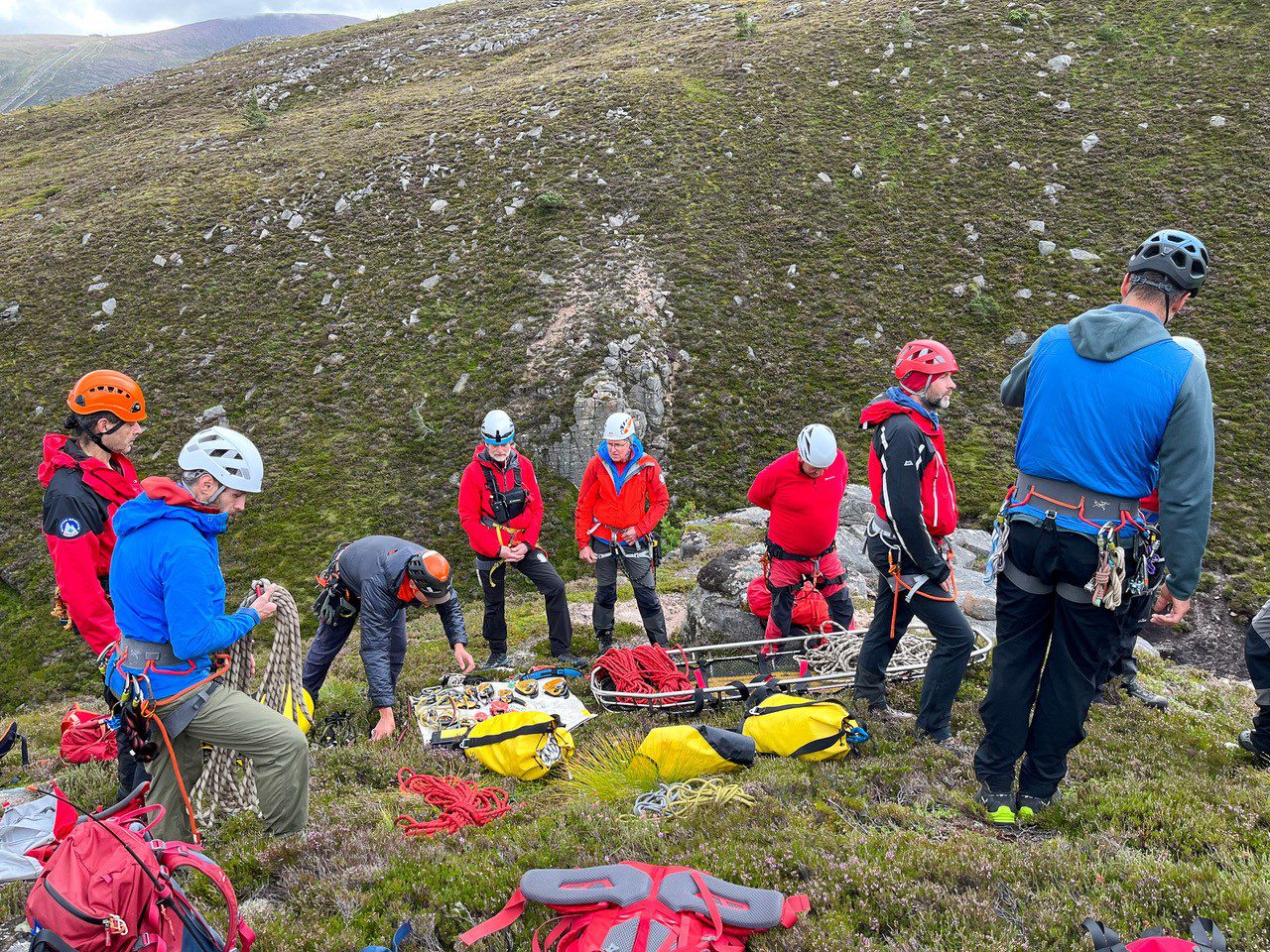
COMMUNICATIONS AND LOCATION TRACKING
Maintaining communications and knowing team locations helps coordinate operations and relay information throughout the different stages of a rescue.
Available systems
- Radio communications.
- Satellite communications.
- GPS systems.
- Emergency messaging.
- Tracking platforms.
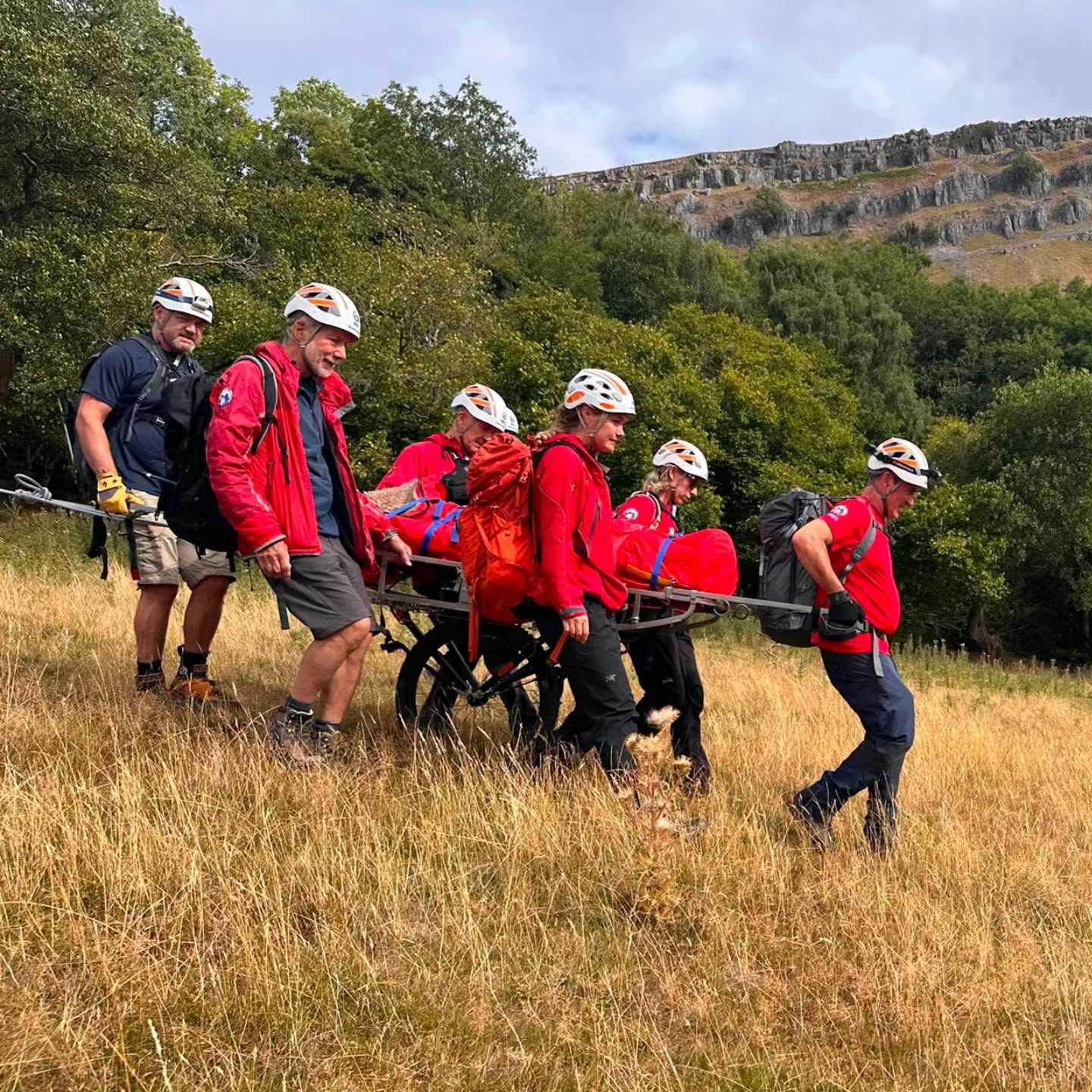
EXTREME CONDITIONS
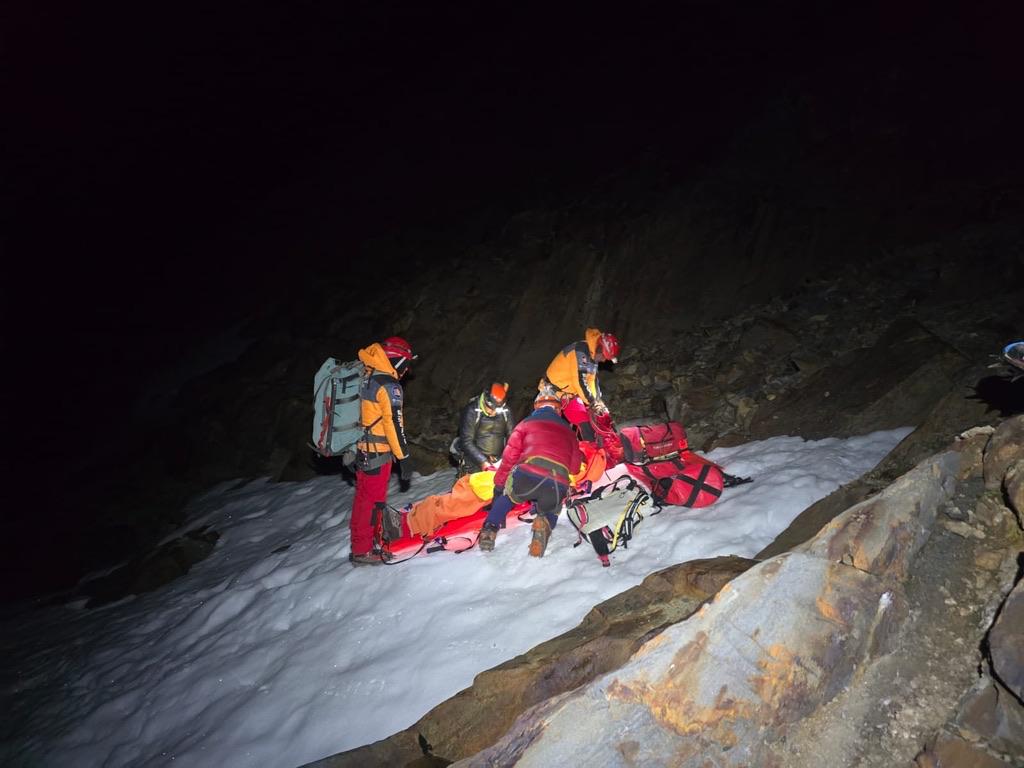
Operations may take place in severe environmental conditions that continuously affect safety, accessibility, and response strategies.
Factors considered
- Extremely low temperatures.
- Snowfall and snow accumulation.
- Strong winds.
- Poor visibility.
- Precipitation and storms.
- Intense solar exposure.
OPERATIONAL PLANNING
Before and during an intervention, available information is analyzed to identify priority areas, resources, access routes, and the operational strategy.
Planning factors
- Last known location.
- Topography and terrain characteristics.
- Altitude and accessibility.
- Current and forecast weather conditions.
- Routes and possible movements.
- Environmental hazards.
- Time elapsed since the last contact.
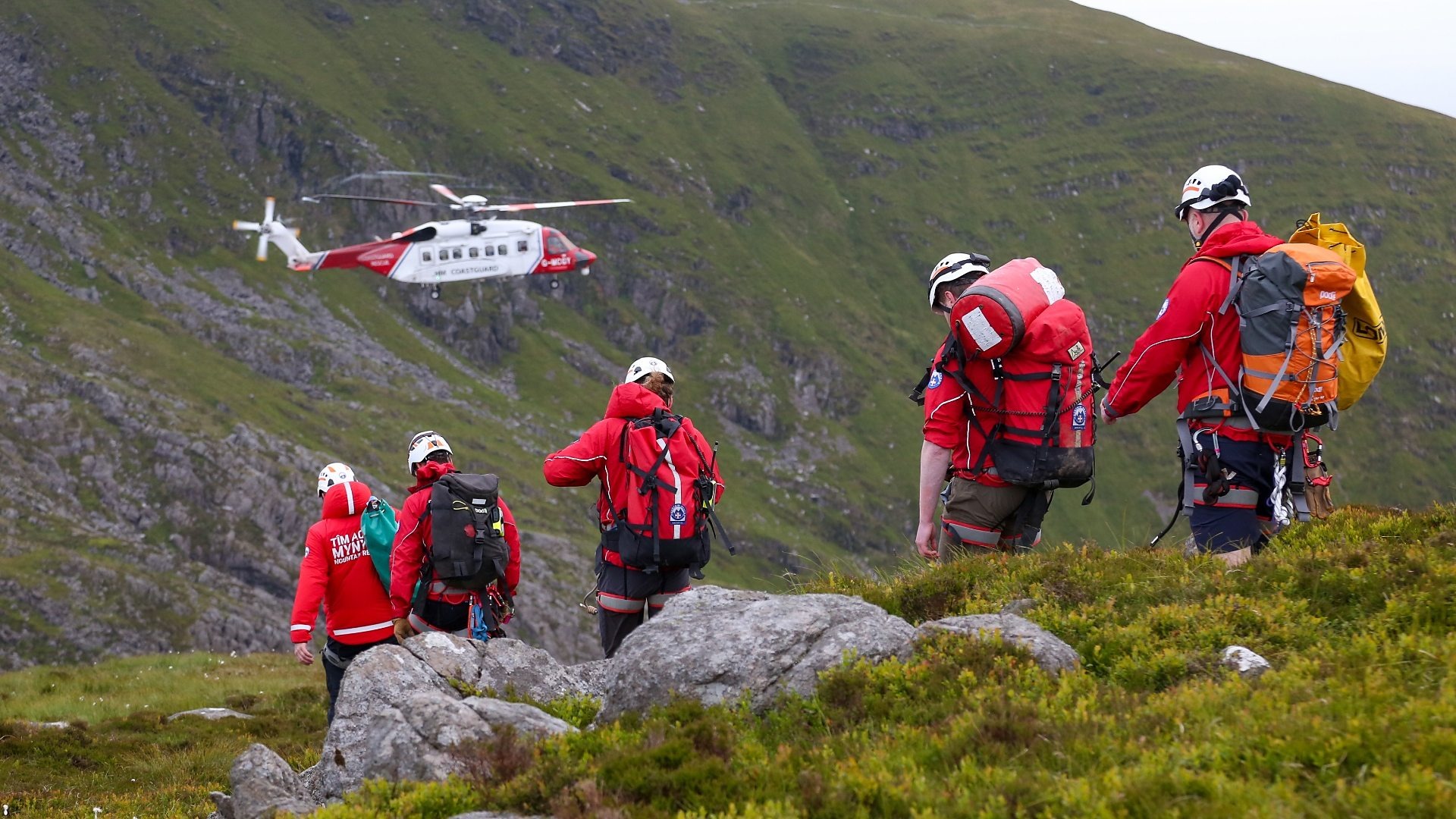
OPERATIONAL COORDINATION
An emergency may require the integration of different capabilities, agencies, rescue teams, and available resources to deliver a coordinated response.
Coordination
- Local authorities and emergency management agencies.
- Emergency and rescue services.
- Air operators and aviation resources.
- Mountain rescue organizations.
- Medical facilities and hospitals.
- Local and international search and rescue teams.
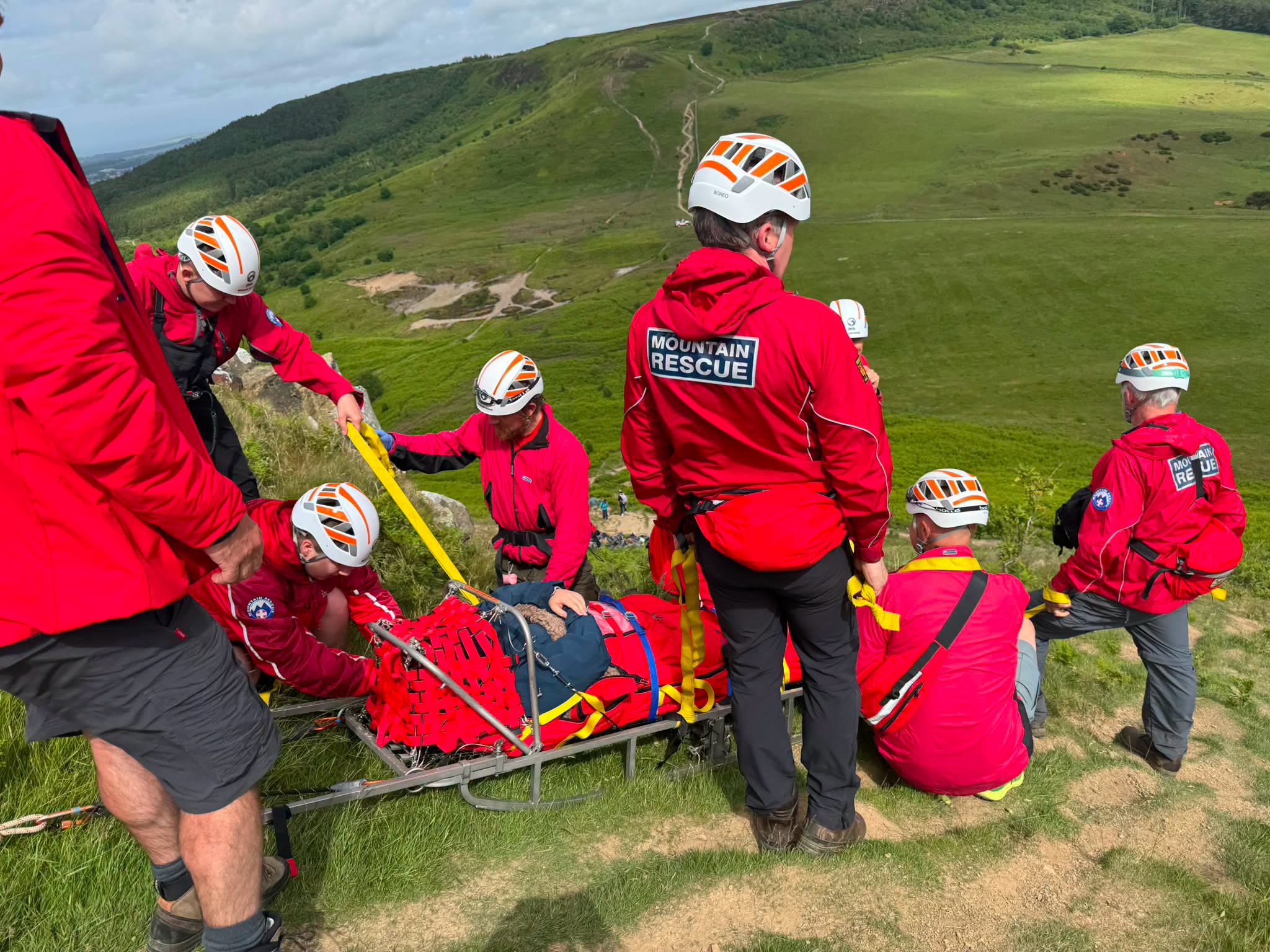
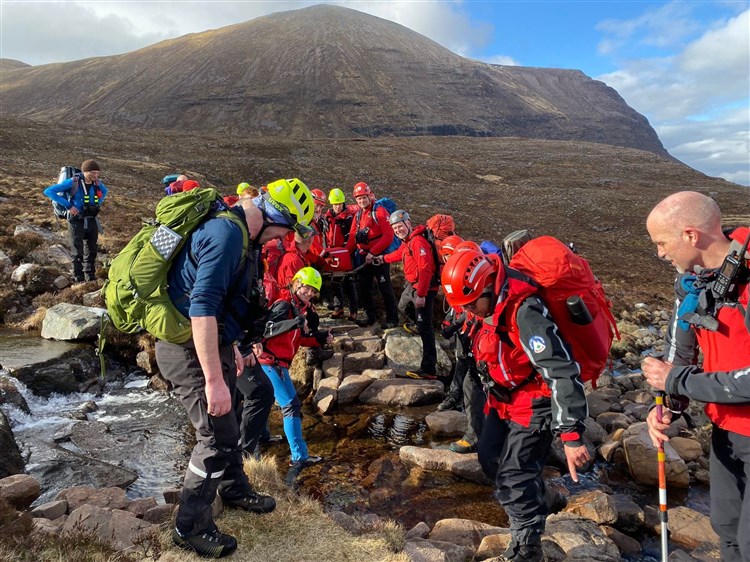
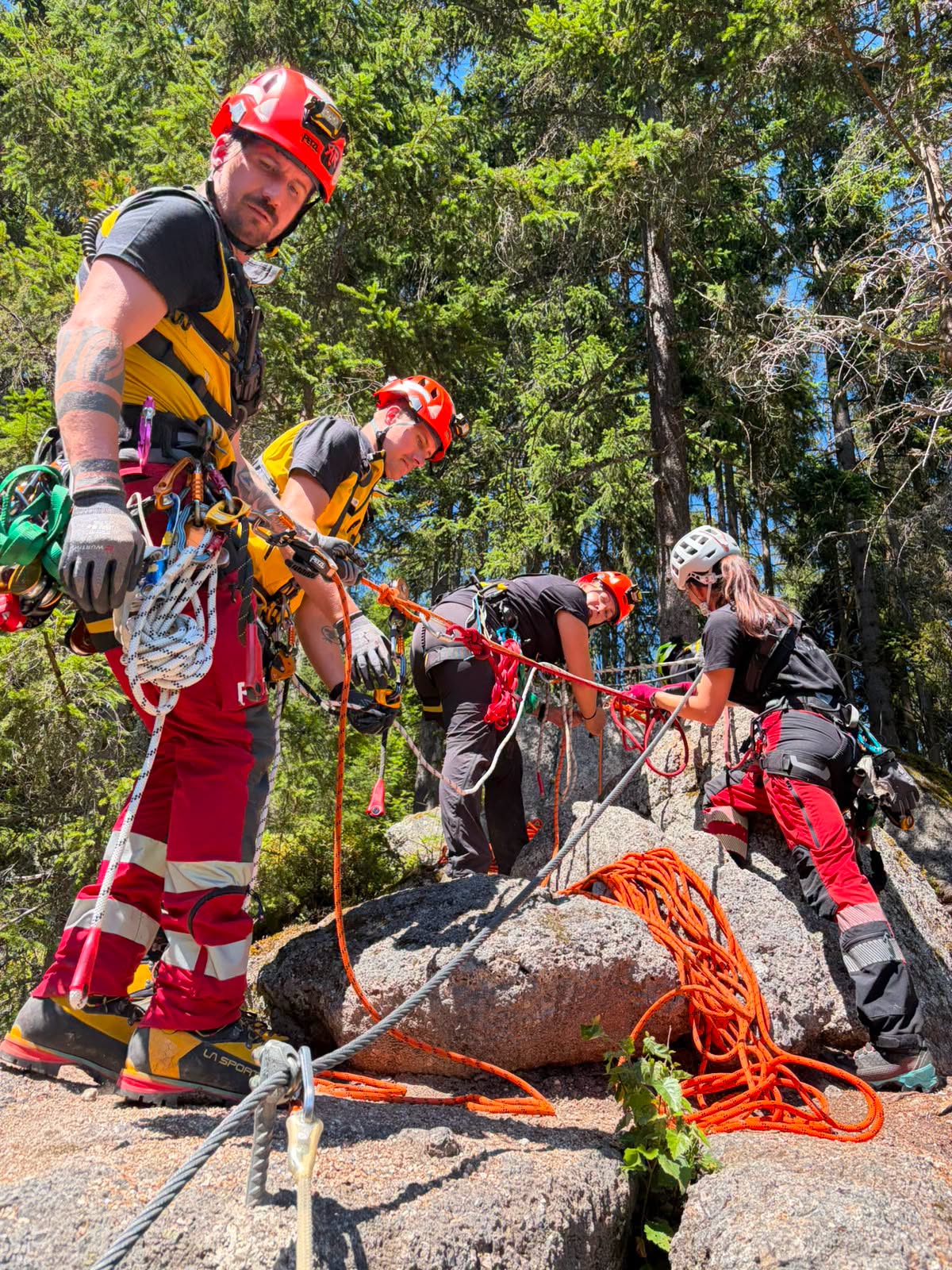
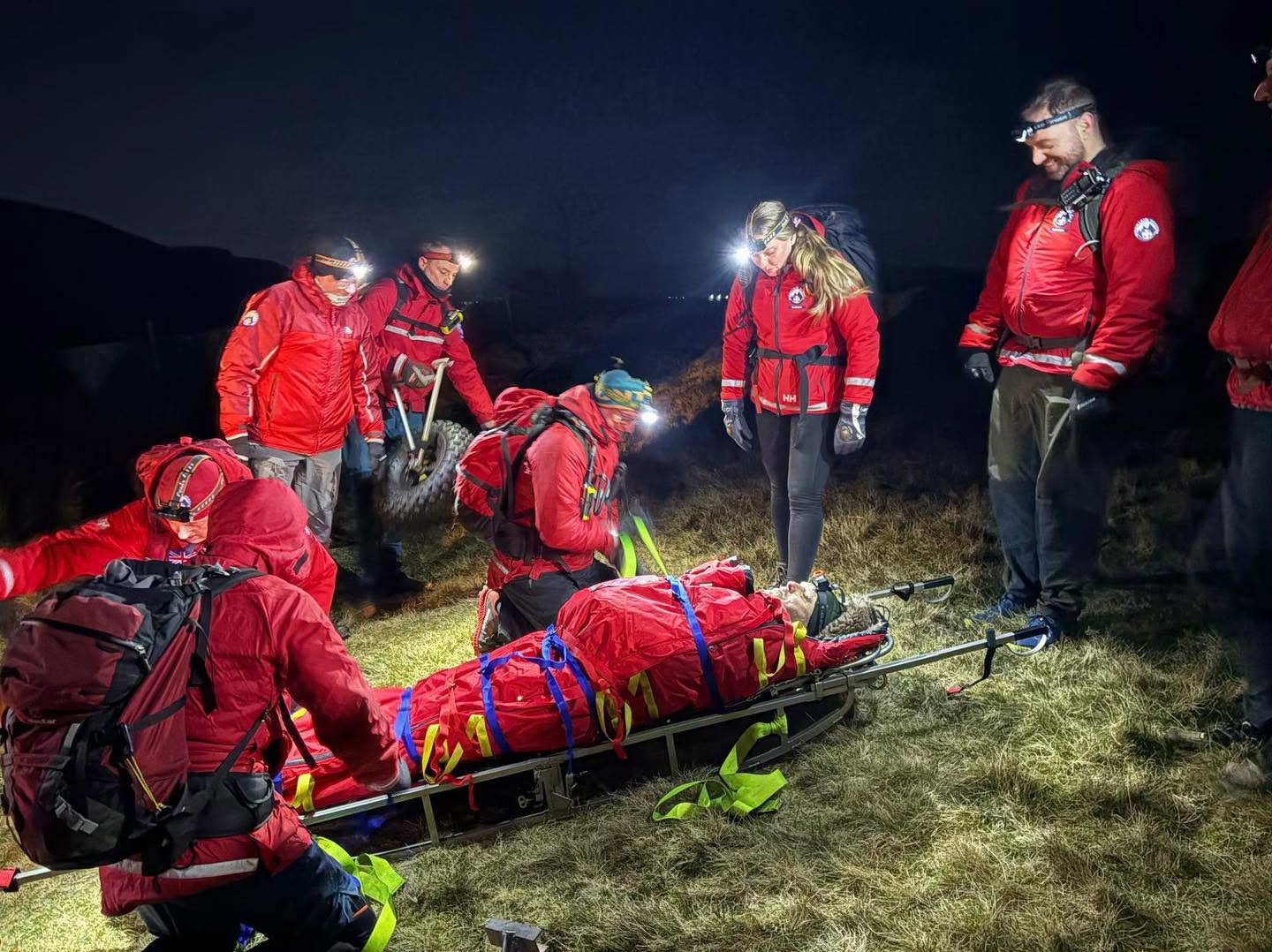
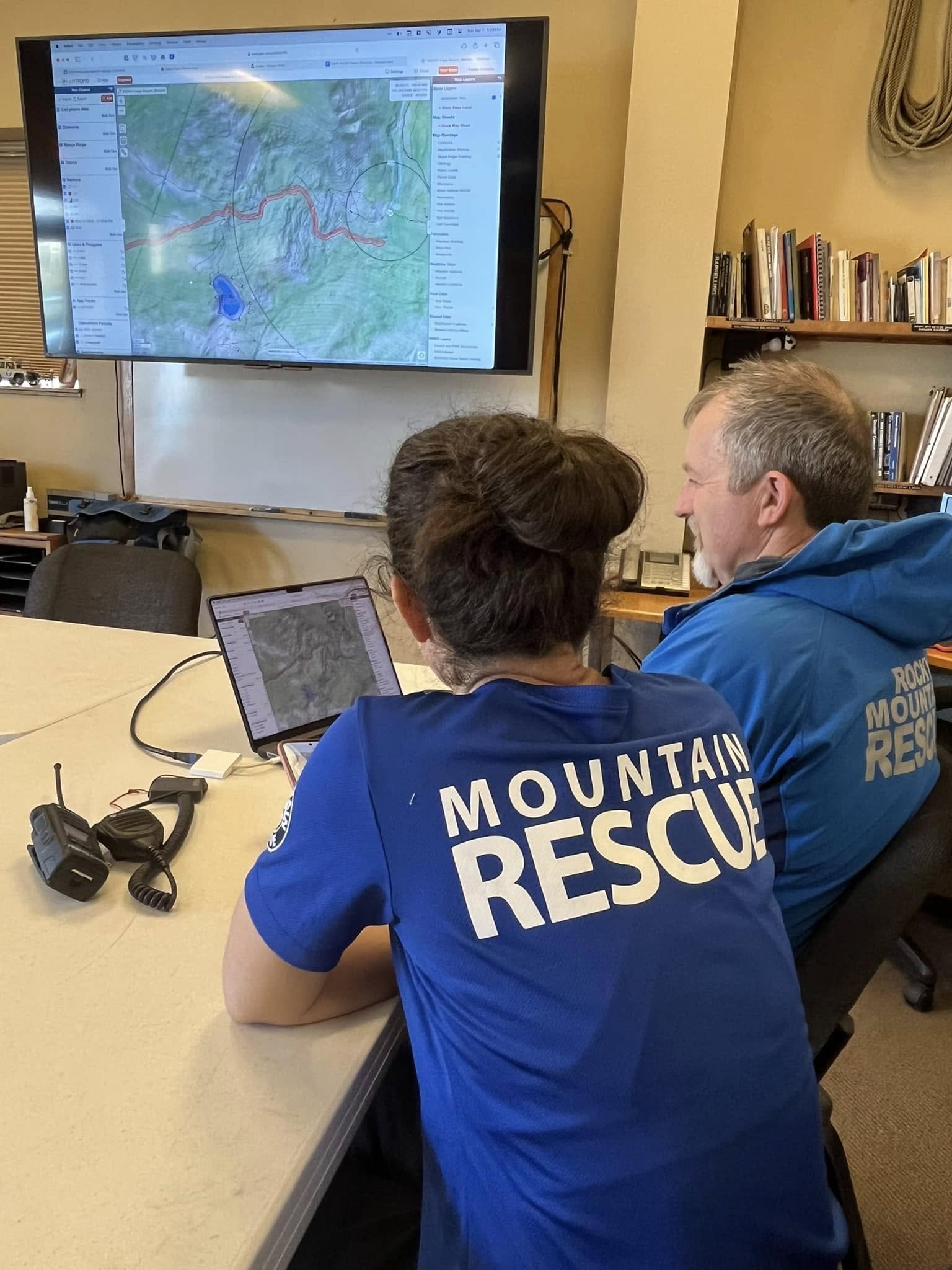
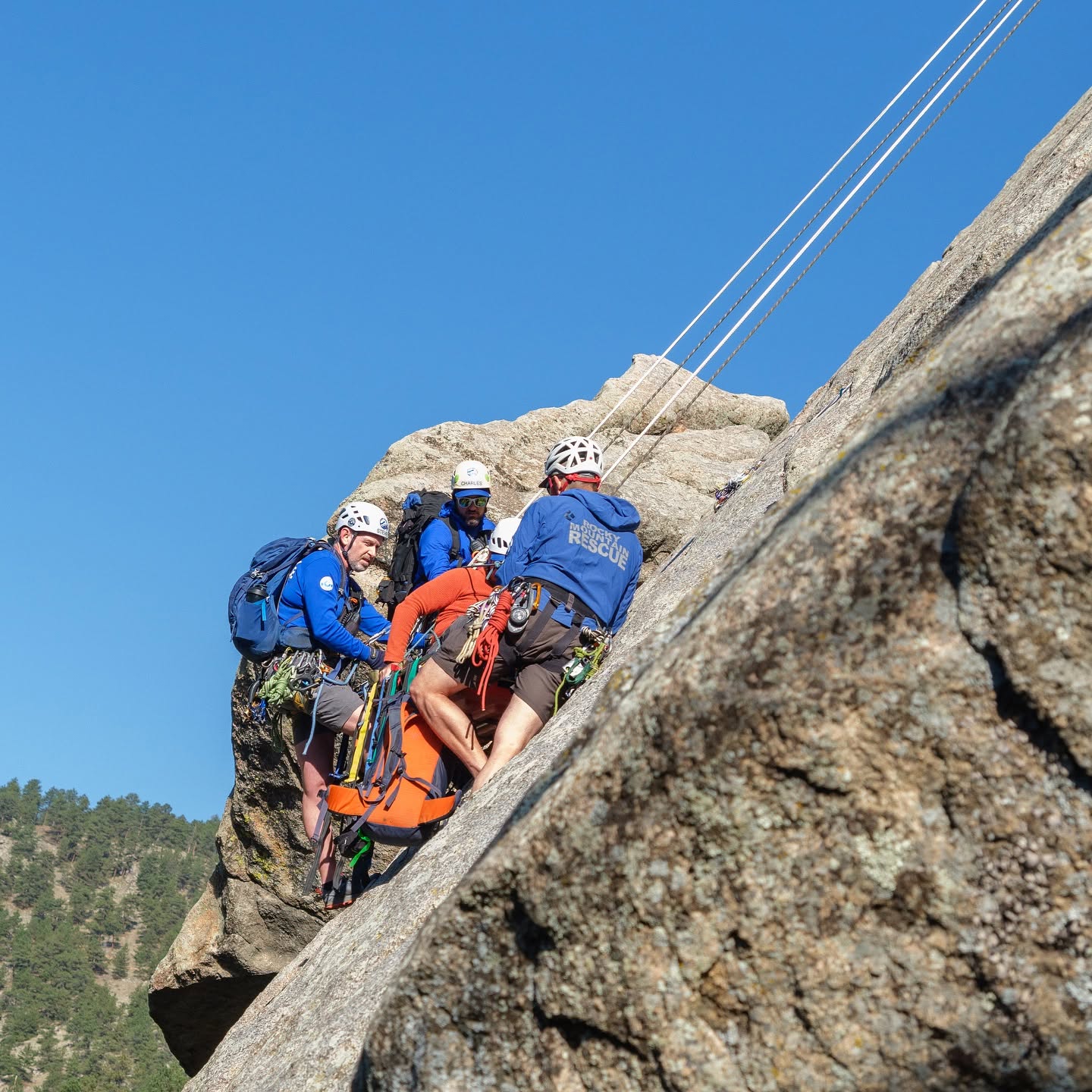
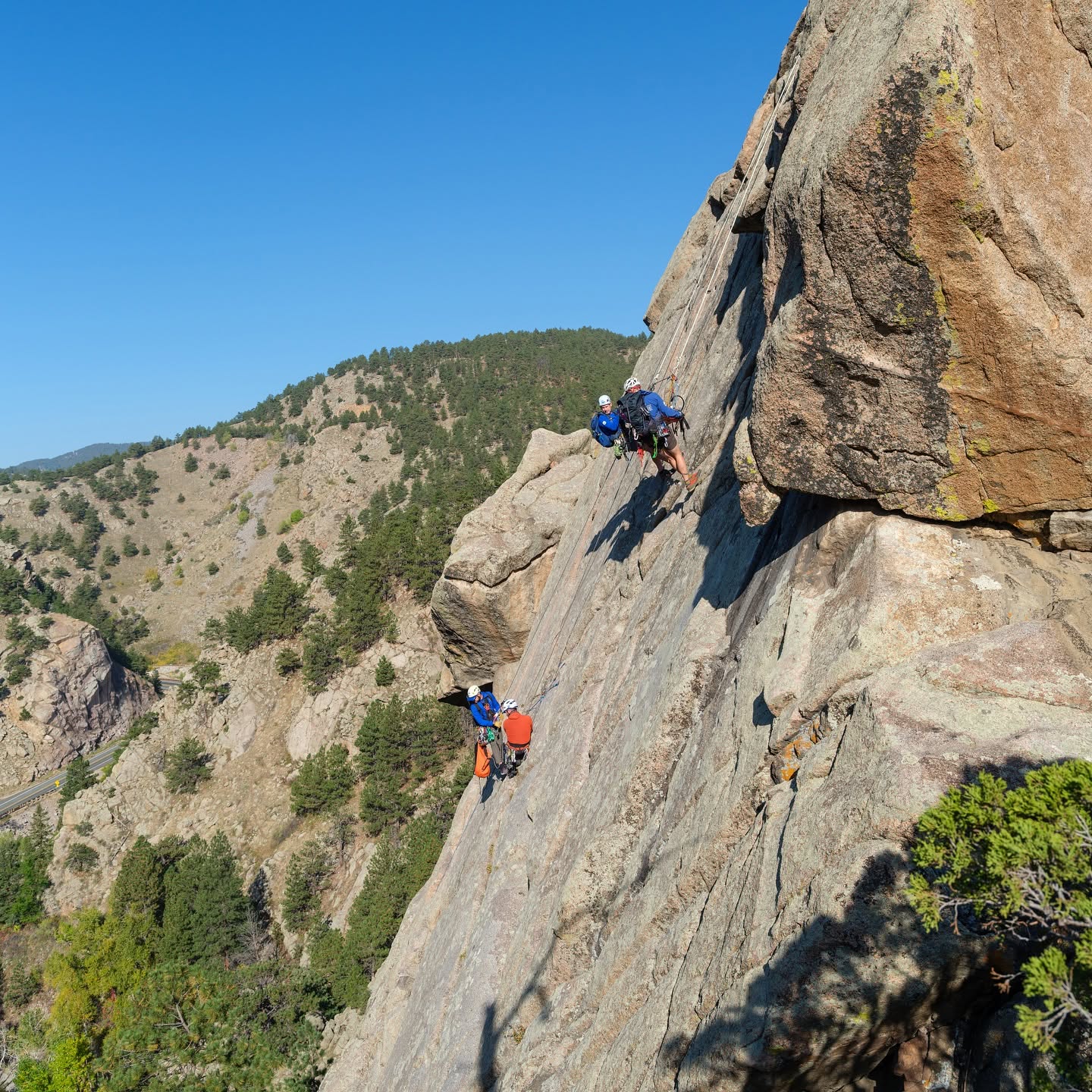
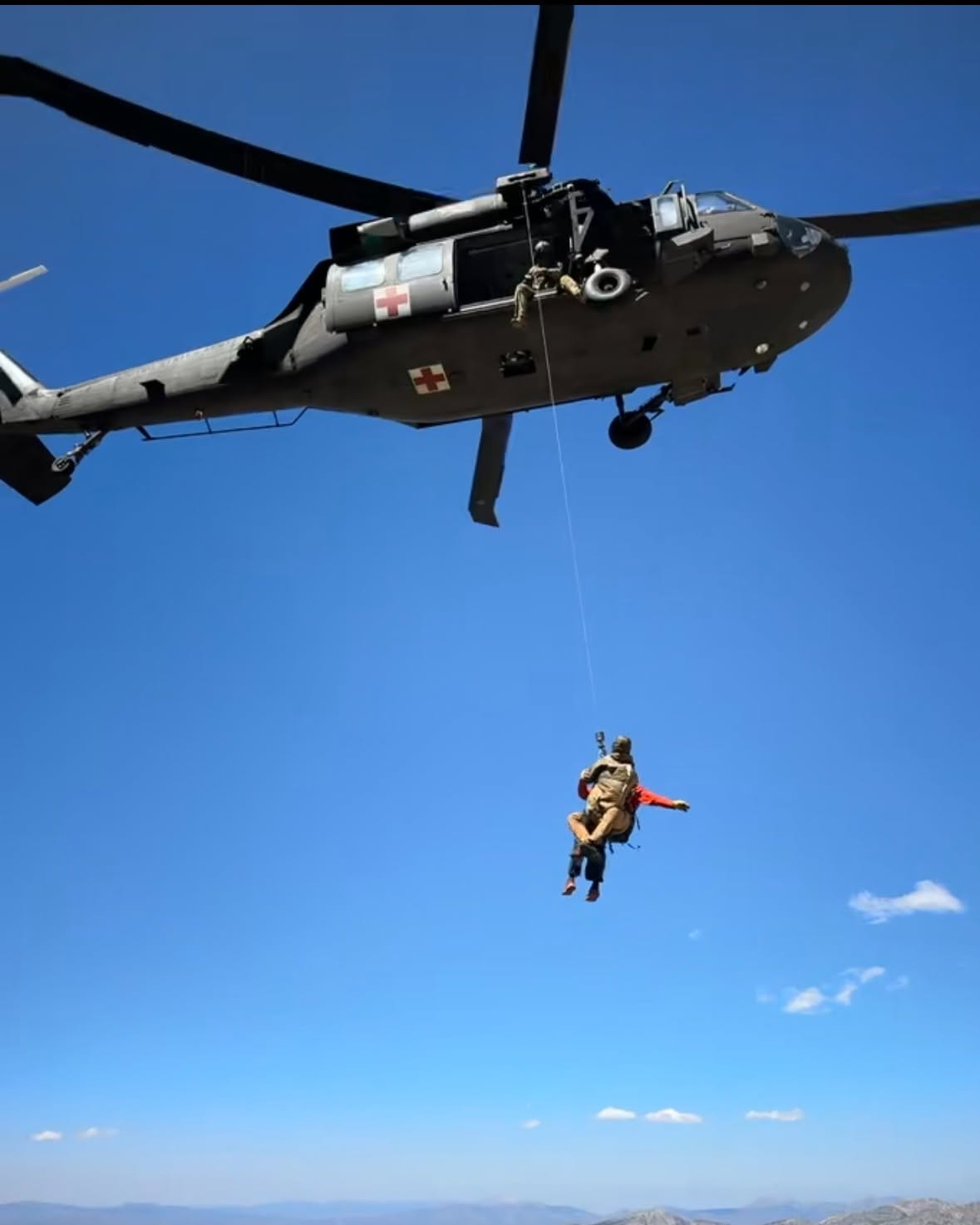
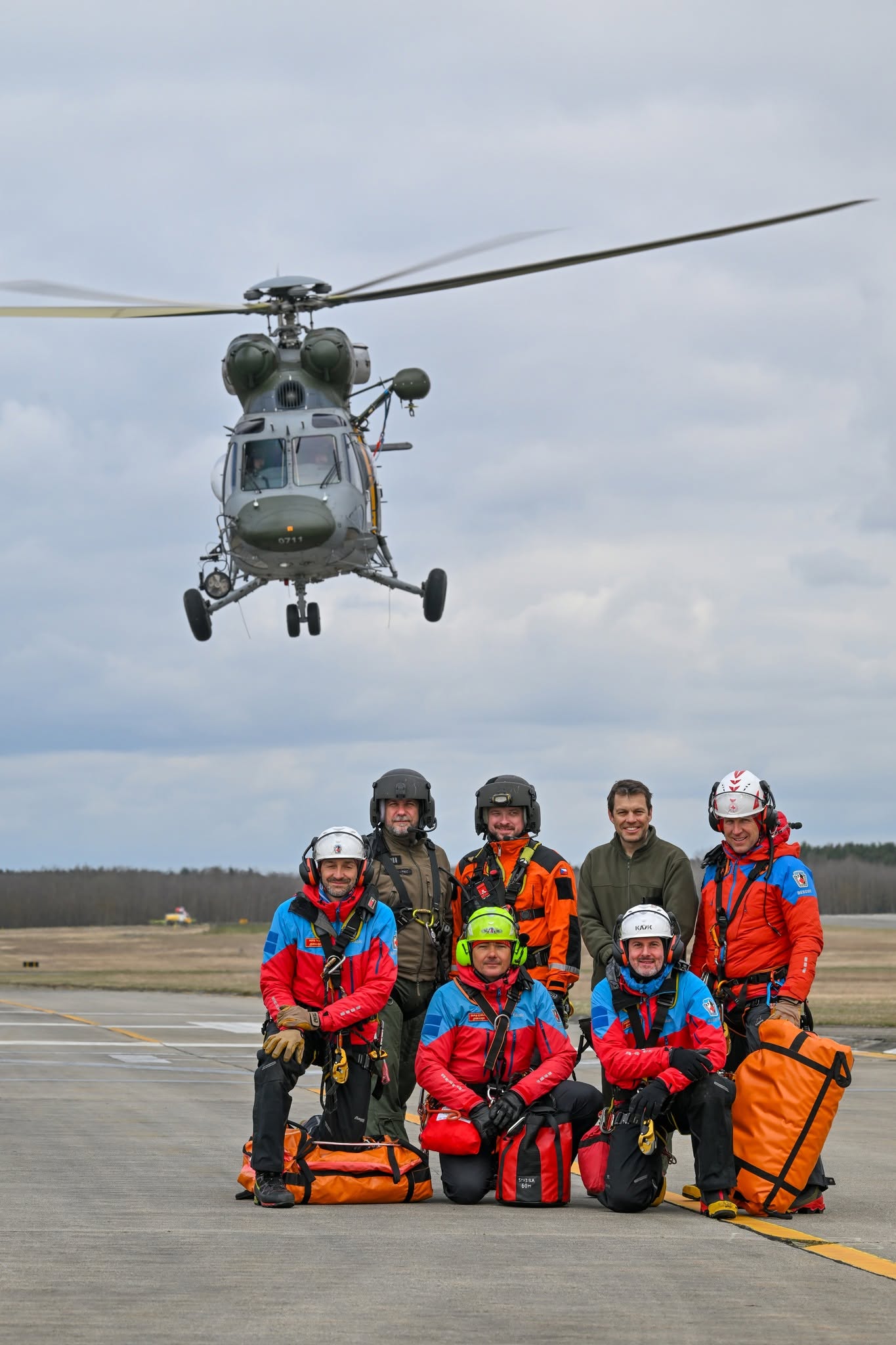
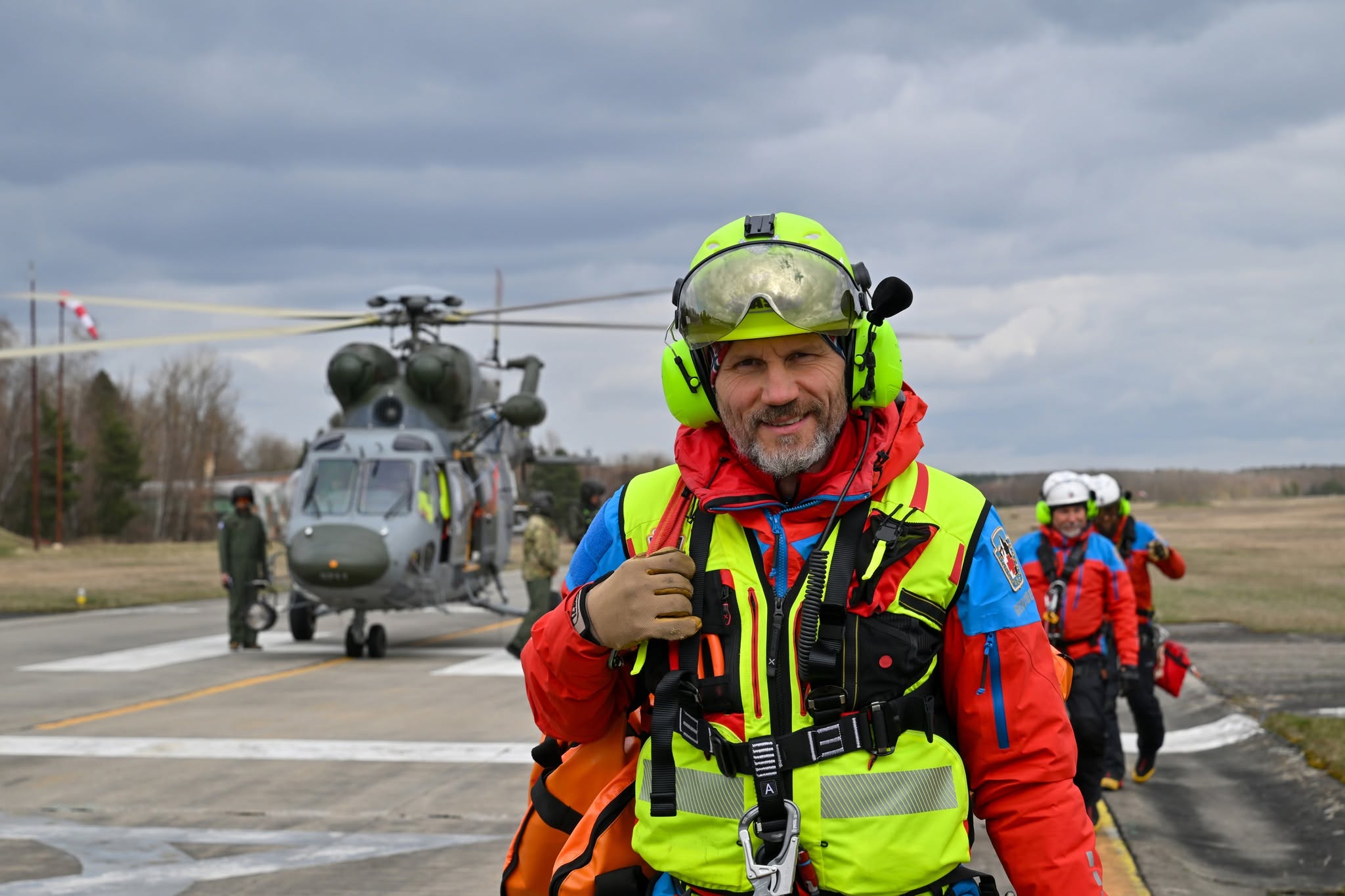
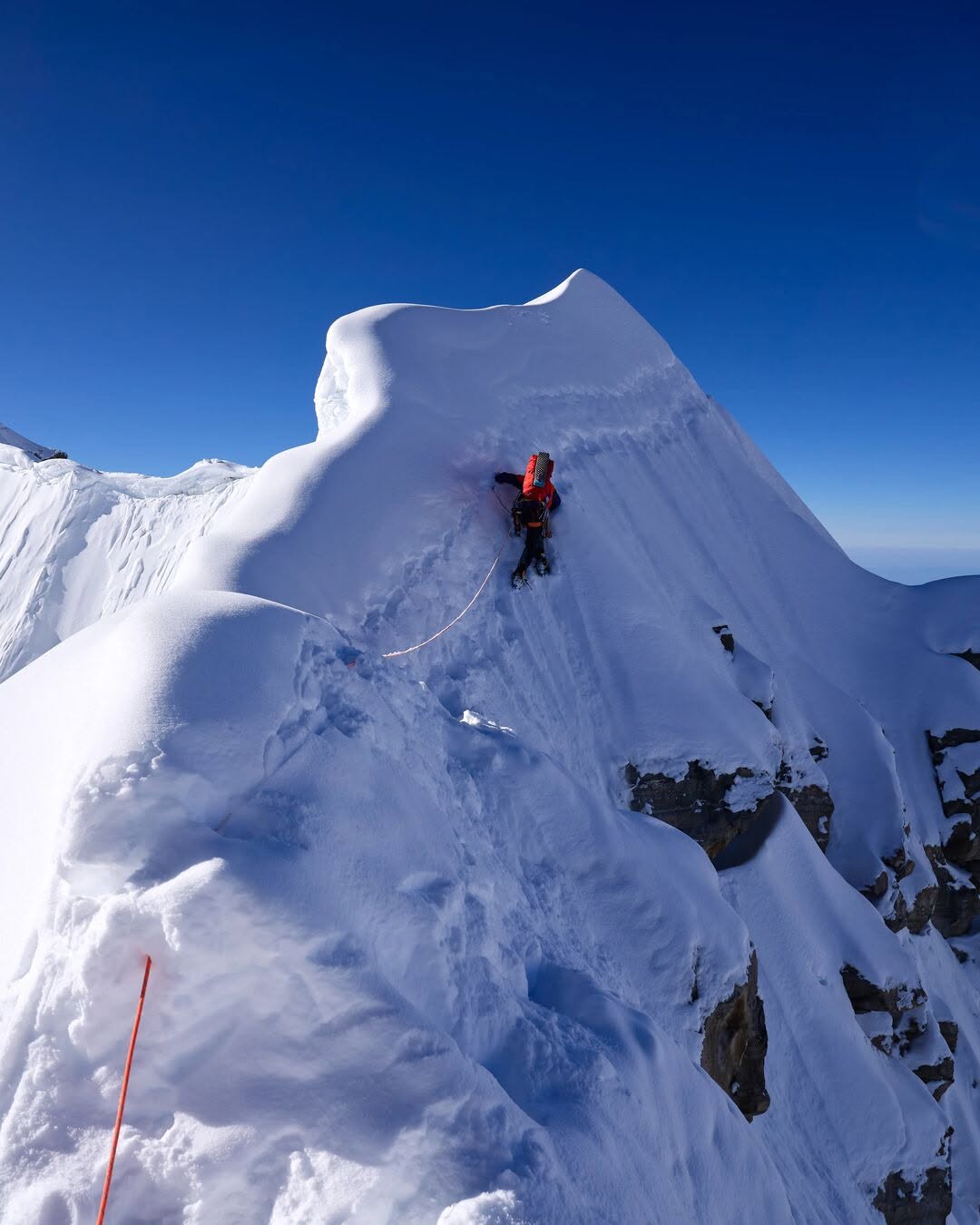
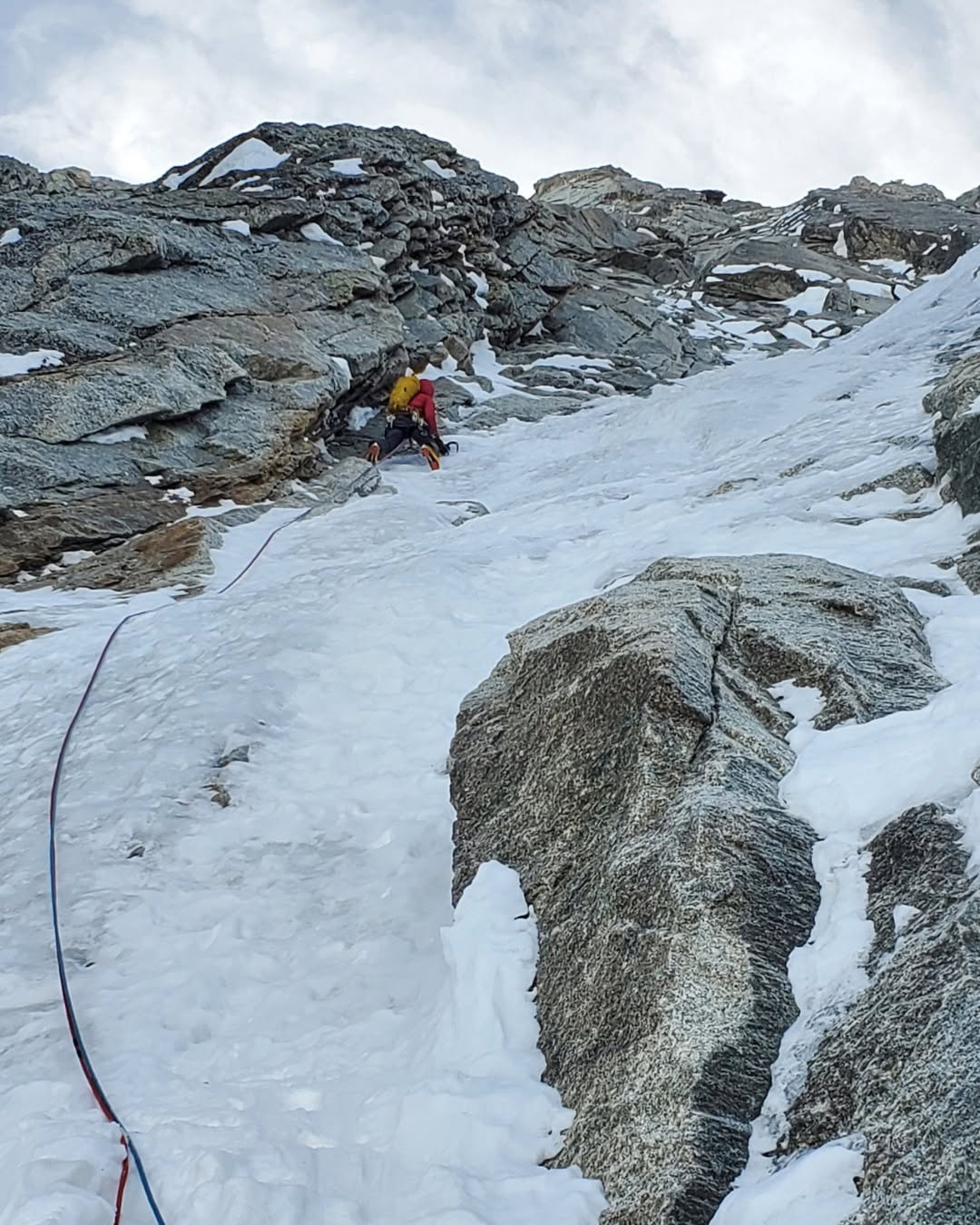
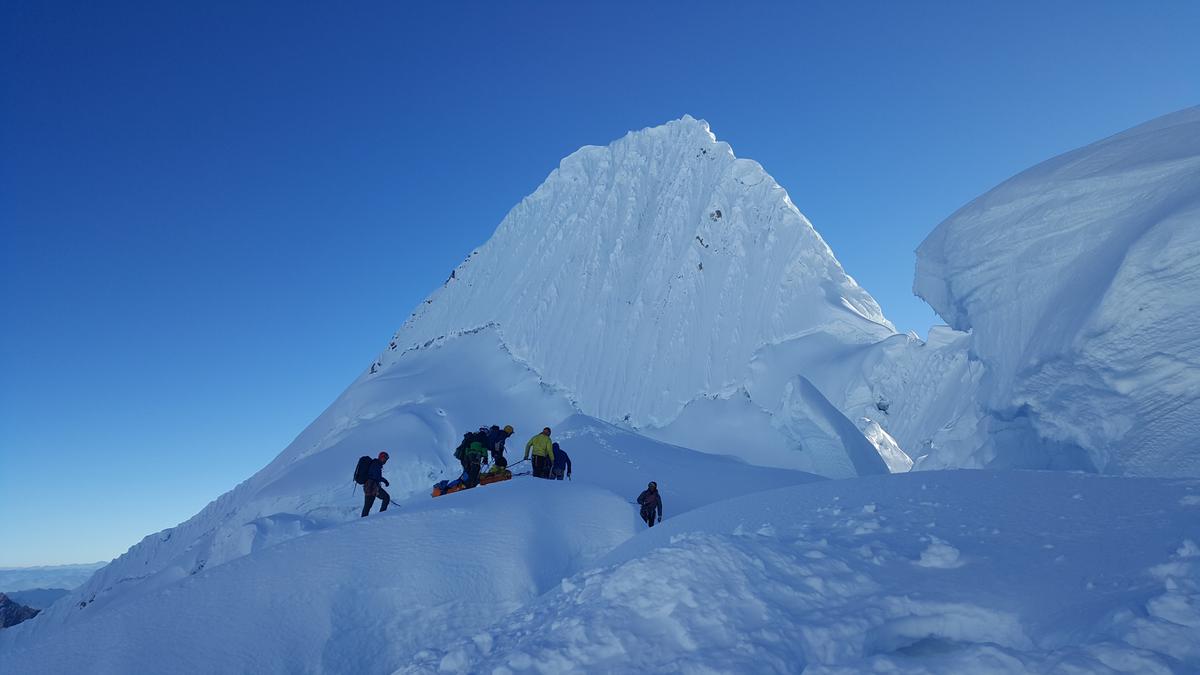

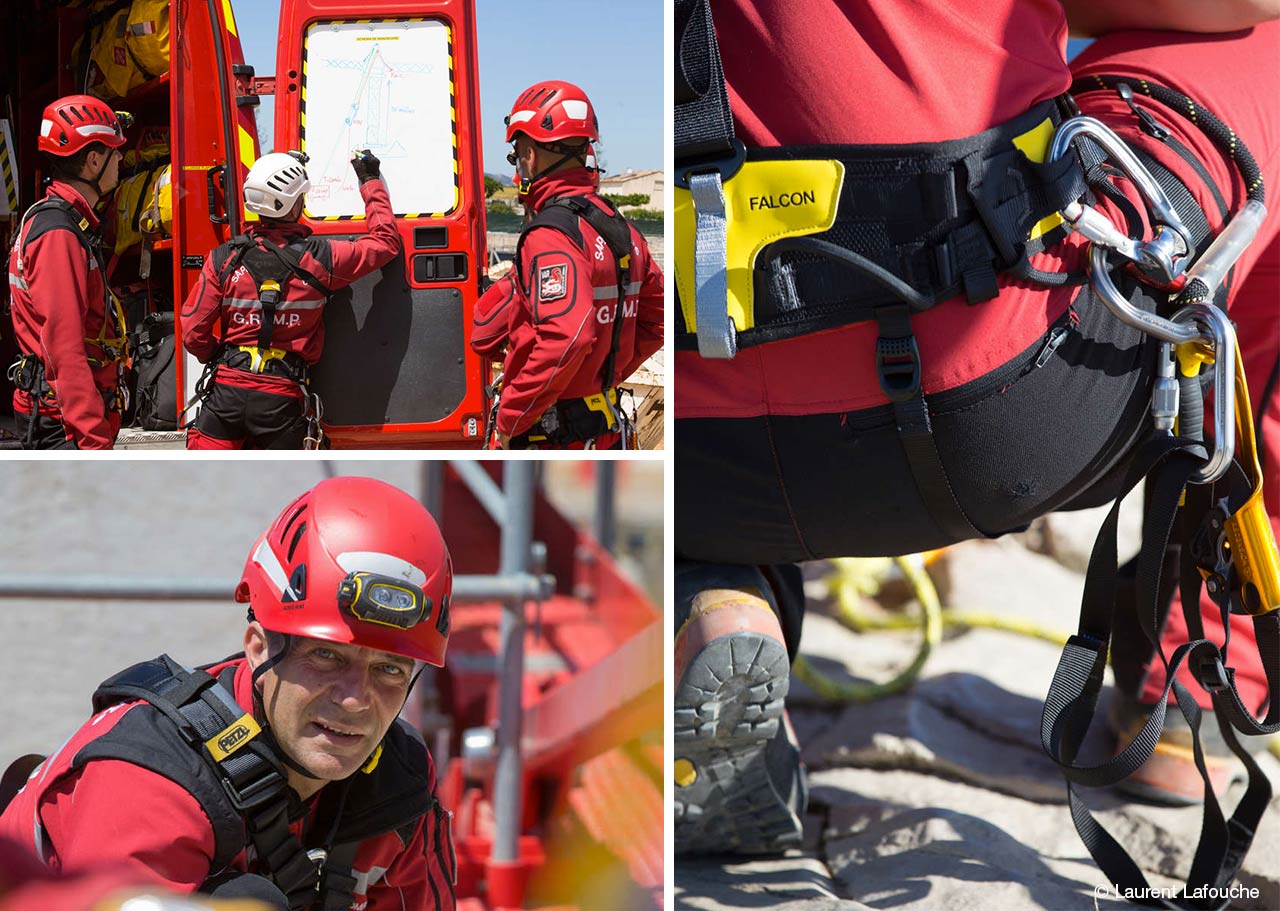
A rescue operation must not create a second emergency.
Rescue personnel safety is an integral part of operational planning. Before and during an intervention, terrain conditions, weather, altitude, snow and ice stability, technical difficulty, exposure time, communications and available resources are continuously assessed.
MOUNTAINS. REMOTE AREAS. INTERNATIONAL OPERATIONS.
SAR24 promotes an international approach to cooperation in search and rescue operations, emergency response and evacuation in mountain environments and hard-to-reach areas.
Response capabilities may involve SAR teams, authorities, rescue organizations, air operators, medical centers and other institutions, depending on the location and circumstances of each emergency.
When a person or group can no longer proceed safely.
Missing persons, loss of contact, accidents, falls, injuries, exhaustion, hypothermia, altitude-related problems, glacier emergencies, adverse weather conditions, SOS device activation, or the need for evacuation from a remote area.
LOCATE · PROTECT · RESCUE · EVACUATE
Early activation makes it possible to gather information, assess the situation and organize the necessary resources before emergency conditions have a chance to deteriorate.