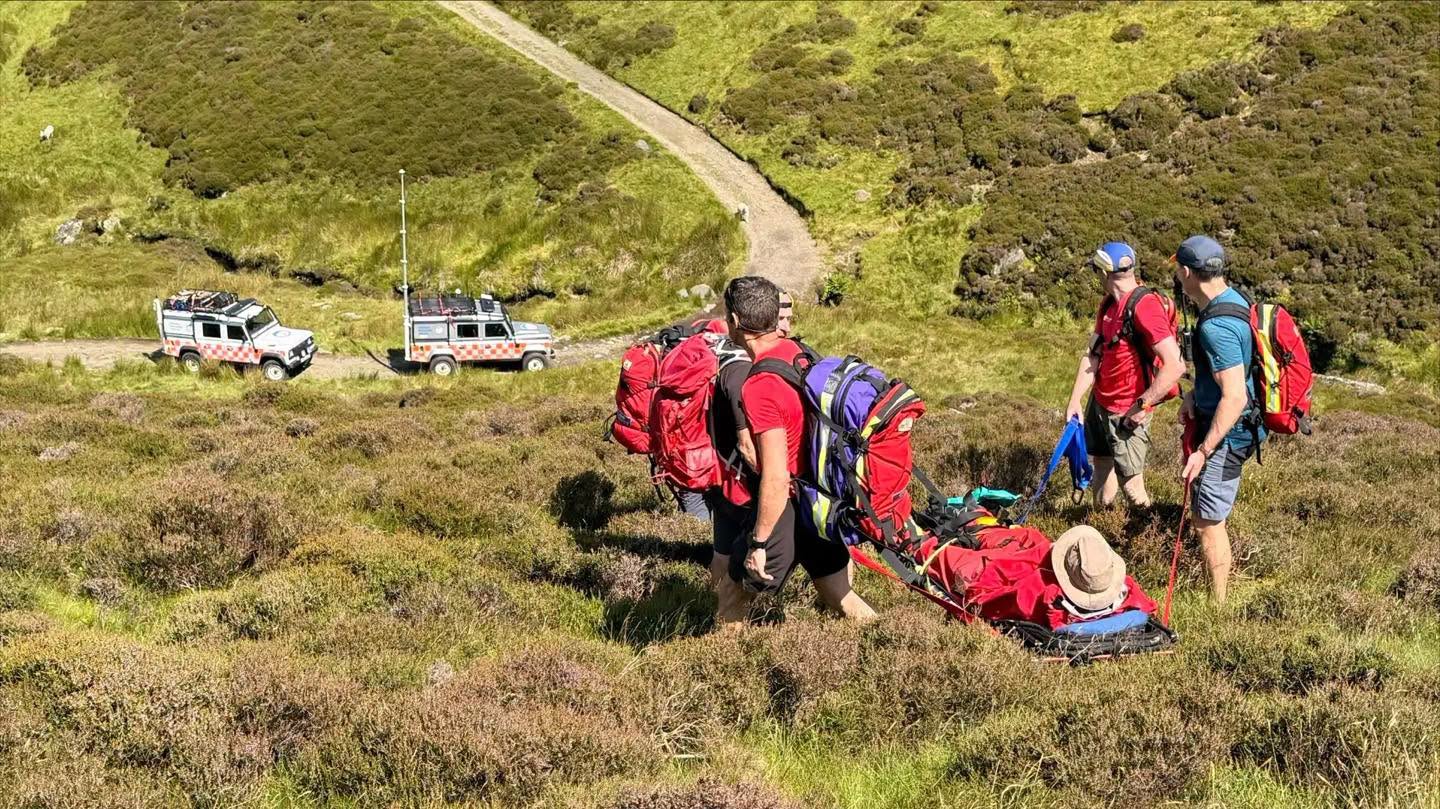
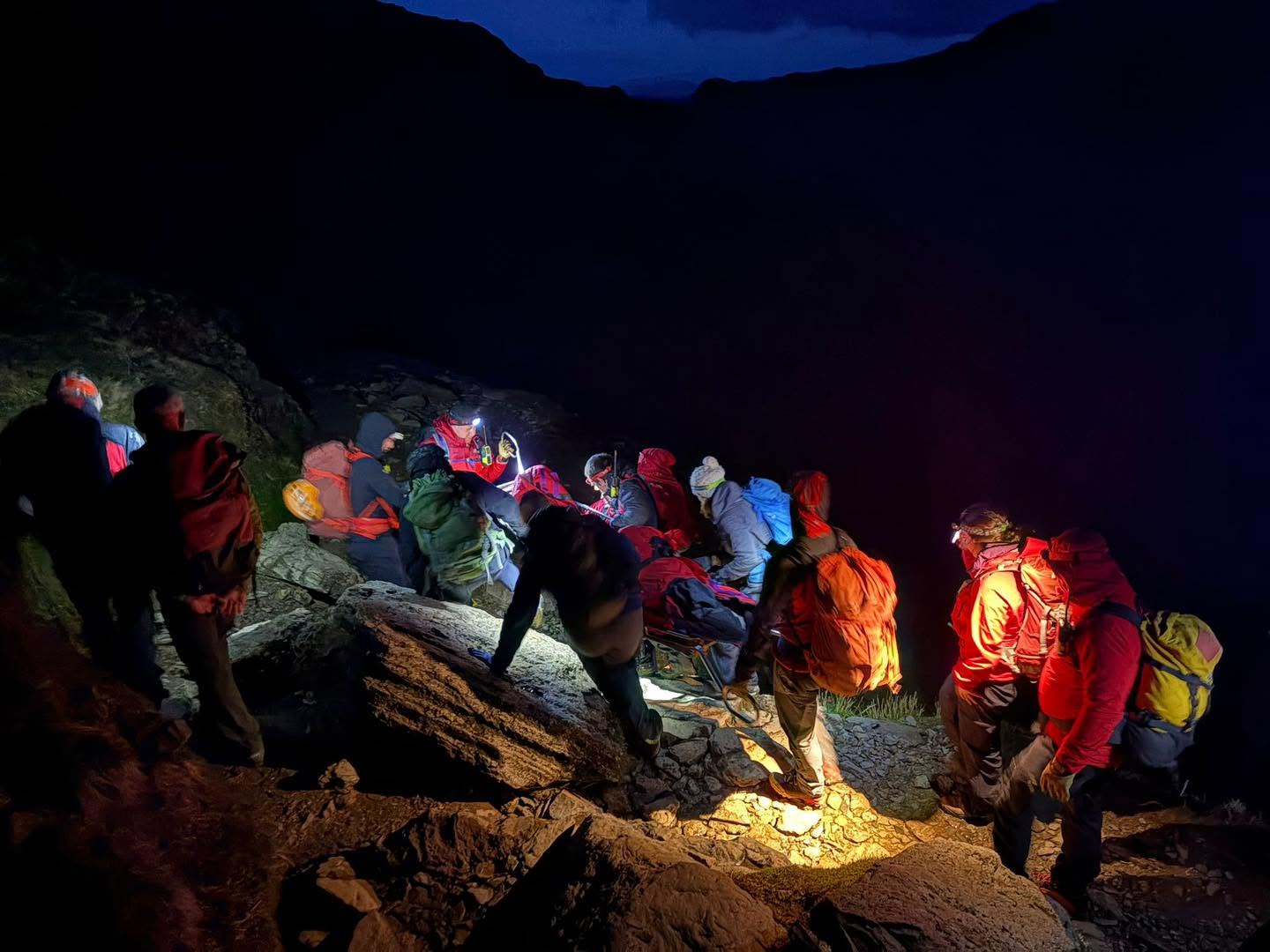
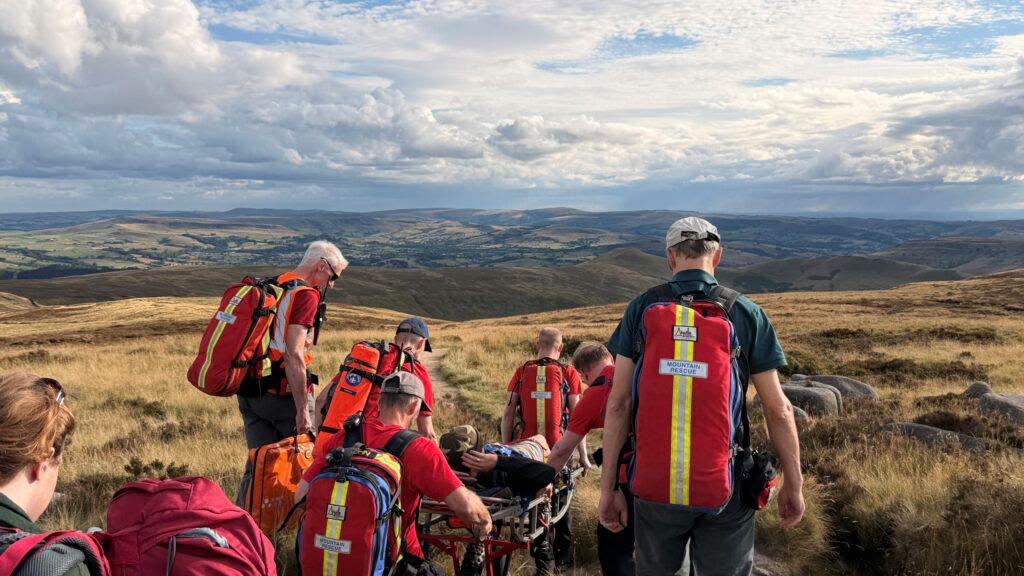
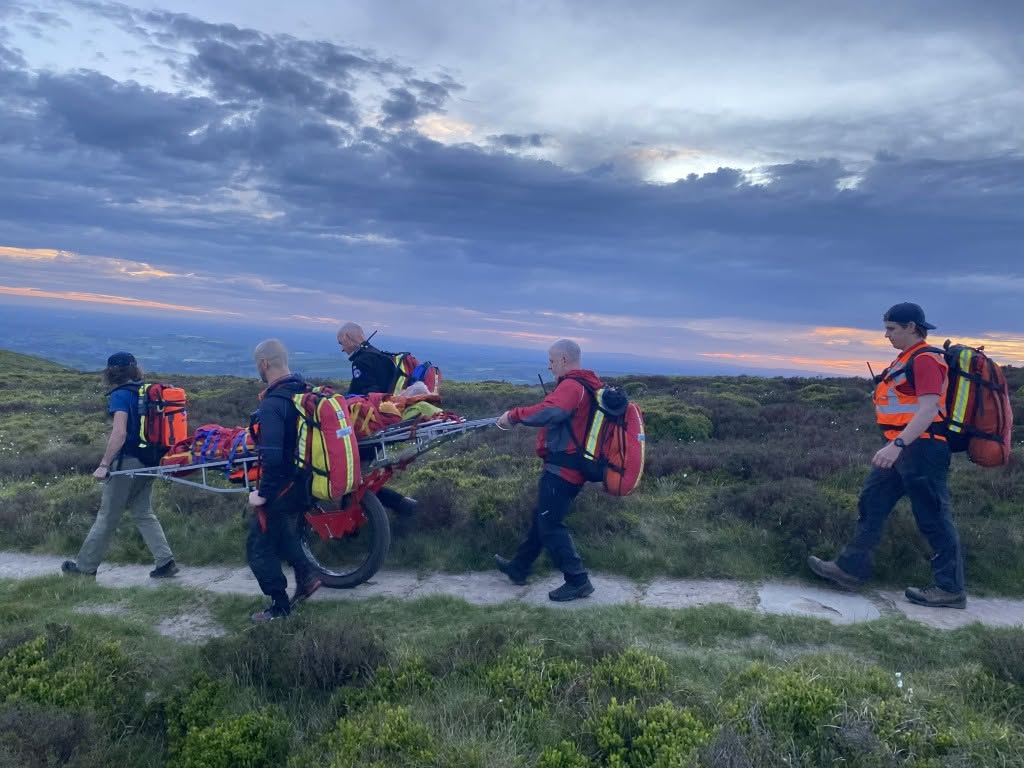
Evacuation
Criteria for Determining Evacuation
Evacuation must be based on an operational assessment rather than solely on distance or terrain difficulty.
Person's Condition
General condition, injuries, symptoms, and ability to move independently.
Risk Level
Existing or potential hazards affecting the person and the rescue team.
Terrain Characteristics
Accessibility, slope, altitude, snow, ice, rock, and technical difficulty.
Weather Conditions
Visibility, wind, temperature, and changing weather conditions.
Available Time
Urgency of the situation and estimated time required to complete the extraction.
Accessibility
Possibility of access and exit via ground or air routes.
Available Resources
Personnel, equipment, transportation, and communication systems.
Air Support
Availability and operational conditions for a potential extraction.
Medical Care
Required level of care and the possibility of transferring the person to a medical service.
Evacuation Levels
Self-Sufficiency
The person can continue independently under safe conditions.
Assistance
The person requires accompaniment, support, or supervision to move.
Assisted Evacuation
Transportation or extraction is required due to mobility limitations or environmental conditions.
Emergency Evacuation
The situation requires extraction to be prioritized and immediate coordination to take place.
Extraction Point
When an extraction is necessary, a suitable location for carrying it out must be identified.
- Camp: meeting point or departure point along the route.
- Trail or Accessible Area: an area allowing safe approach and ground transportation.
- Vehicle Access Point: a location where the person can be transferred to an emergency vehicle.
- Extraction Area: an area assessed for potential aerial extraction or other specialized methods.
- Landing Area: a surface that may be used by an aircraft, subject to the applicable conditions and procedures.
- Transfer Point: a location where the person is handed over to medical or emergency services.
The location must be assessed in terms of safety, accessibility, terrain, weather conditions, and the characteristics of the evacuation method.
Aerial Evacuation Planning
Coordination of an Aerial Operation
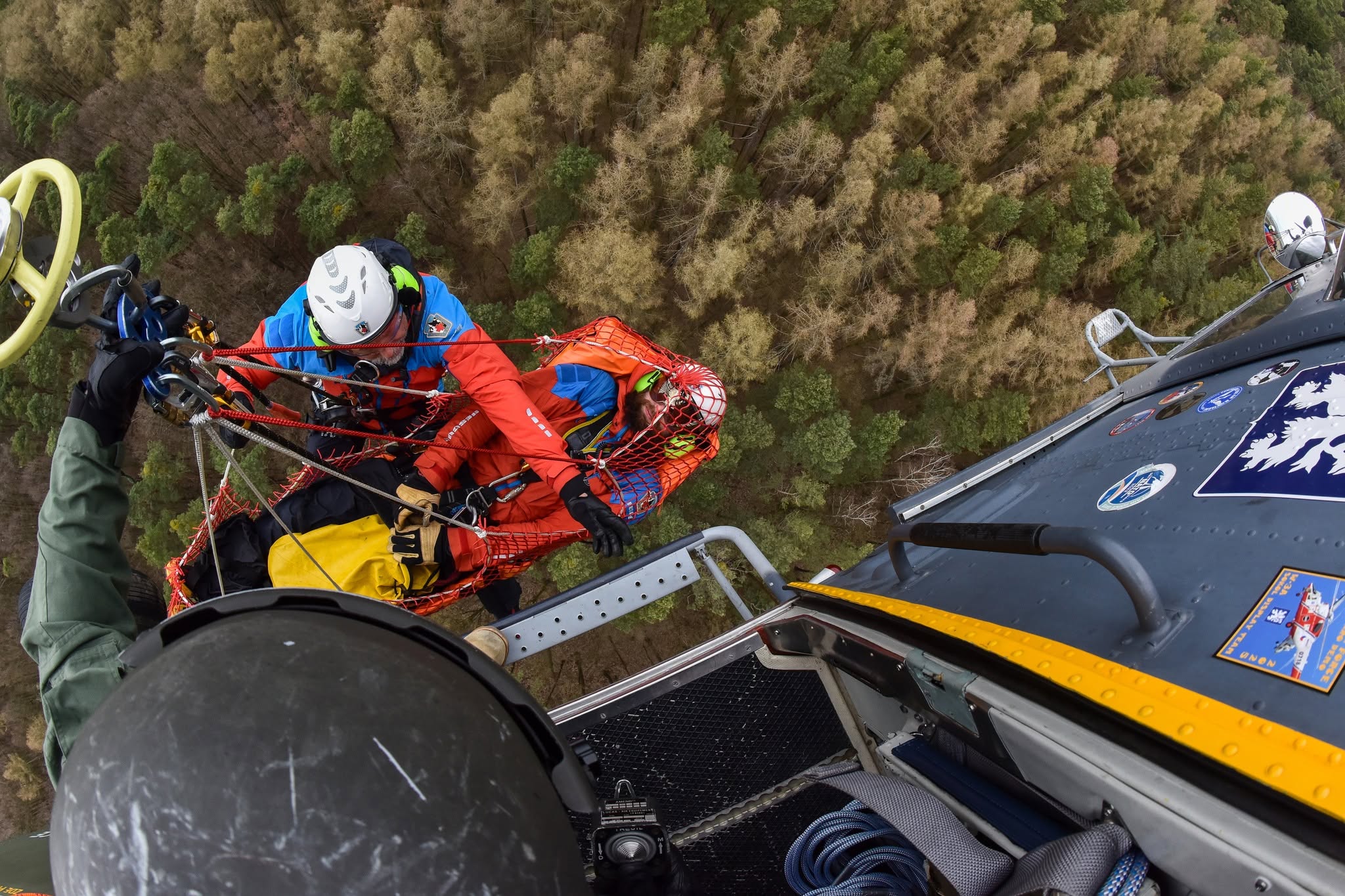
When a helicopter or other aircraft is being considered, coordination must bring together all available information about the incident, terrain, affected person, and operational conditions.
Coordinates
Precise location of the person, extraction point, and geographical reference points.
Altitude
Altitude of the incident location and extraction point, taking operational effects into account.
Weather Conditions
Visibility, cloud cover, precipitation, temperature, and forecast conditions.
Wind
Wind direction, speed, and potential changes that could affect the operation.
Number of People
Affected persons, companions, and rescue personnel involved.
Condition
General condition, injuries, mobility, level of consciousness, and needs.
Communications
Radio, satellite phone, tracking, and other available systems.
Aircraft
Aircraft type, capacity, range, limitations, and rescue configuration.
Extraction Point
Accessibility, obstacles, terrain, and conditions affecting the operation.
Hazards
Slopes, crevasses, cables, rocks, avalanches, wind, and reduced visibility.
All aerial evacuations must be coordinated among the SAR24 team, personnel on the ground, the relevant authorities or organizations, and the aircraft crew or operator.
The final decision regarding approach, landing, suspension, or execution of the aerial extraction rests with the aircraft crew and operator, taking actual safety and operational conditions into account.
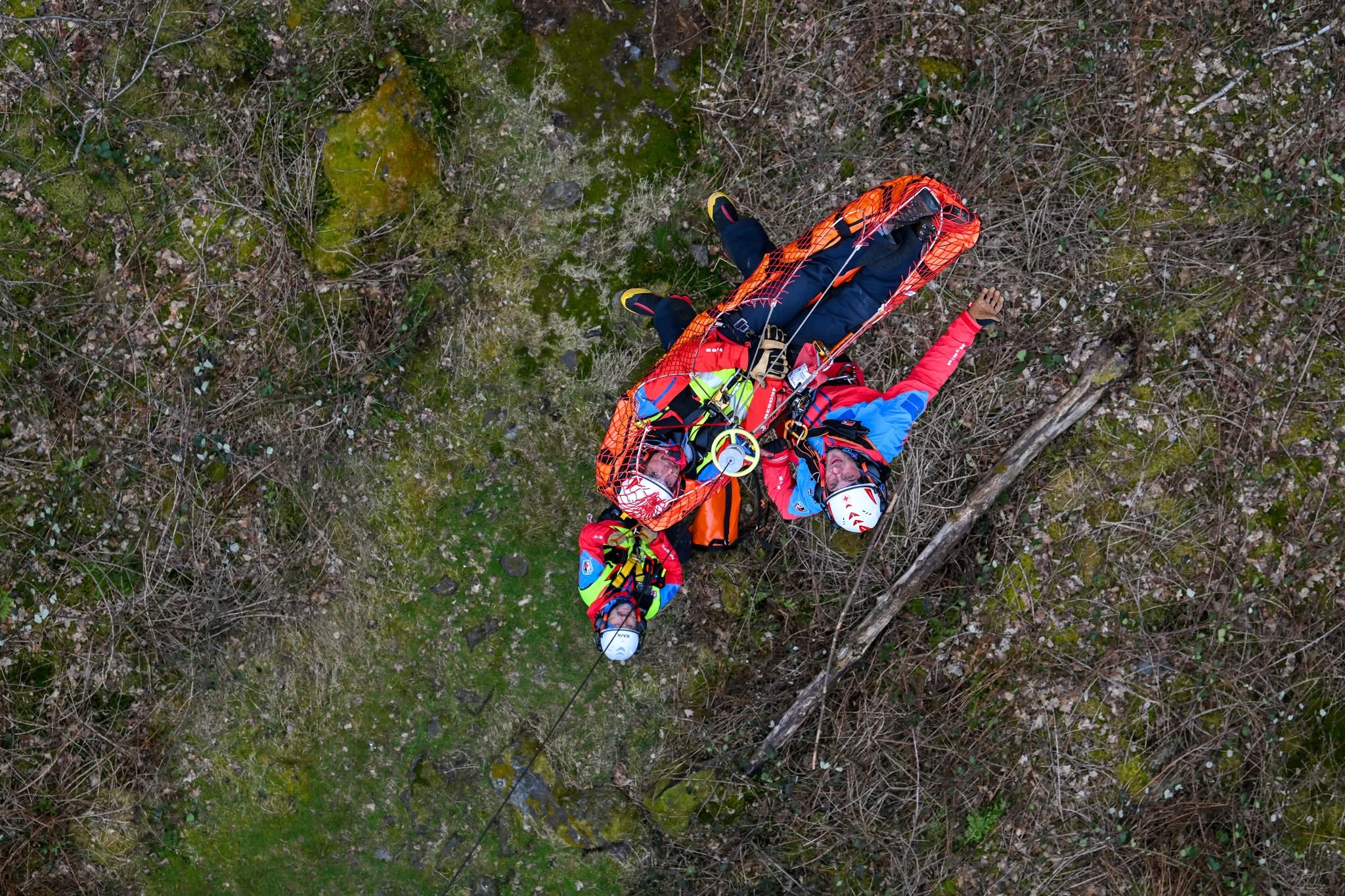
Landing or Extraction Area
Dimensions
Assessment of the available space and its characteristics.
Slope
Identification of inclines, changes in elevation, and irregular surfaces.
Obstacles and Vegetation
Rocks, structures, trees, poles, cables, and other obstacles.
Power Lines
Identification of power lines and other cables.
Wind
Wind direction, speed, and changes in wind conditions.
Visibility
Fog, clouds, dust, snow, and other visibility-related conditions.
Snow or Ice
Snow-covered, icy, or unstable surfaces.
Communication
Communication with the aircraft crew throughout the operation.
The area must be kept clear and controlled by authorized personnel throughout the operation.
Identifying an apparently suitable area does not guarantee that it can be used for an aerial operation. The final decision rests with the aircraft crew and the operator's procedures.
Extraction Using Rope Systems
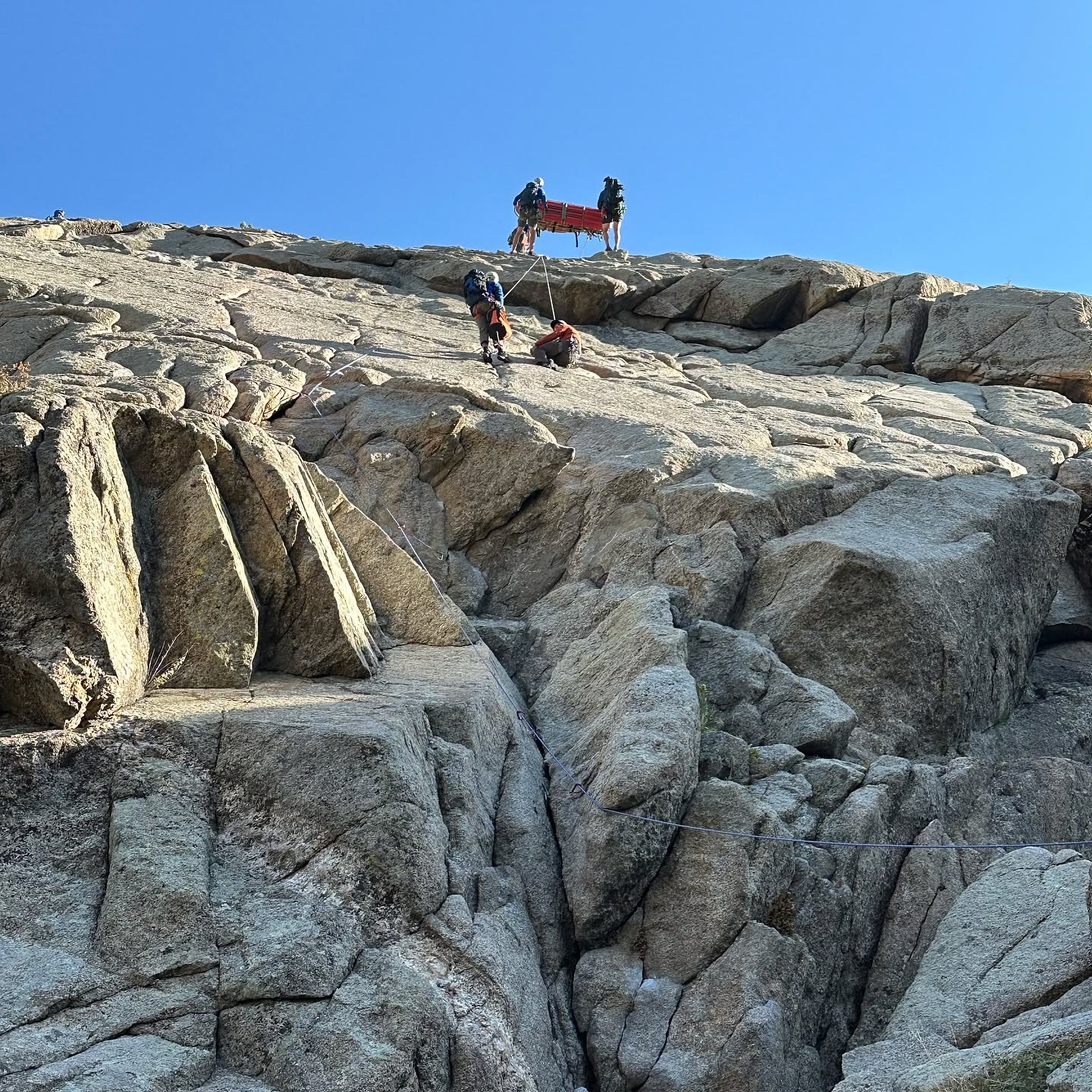
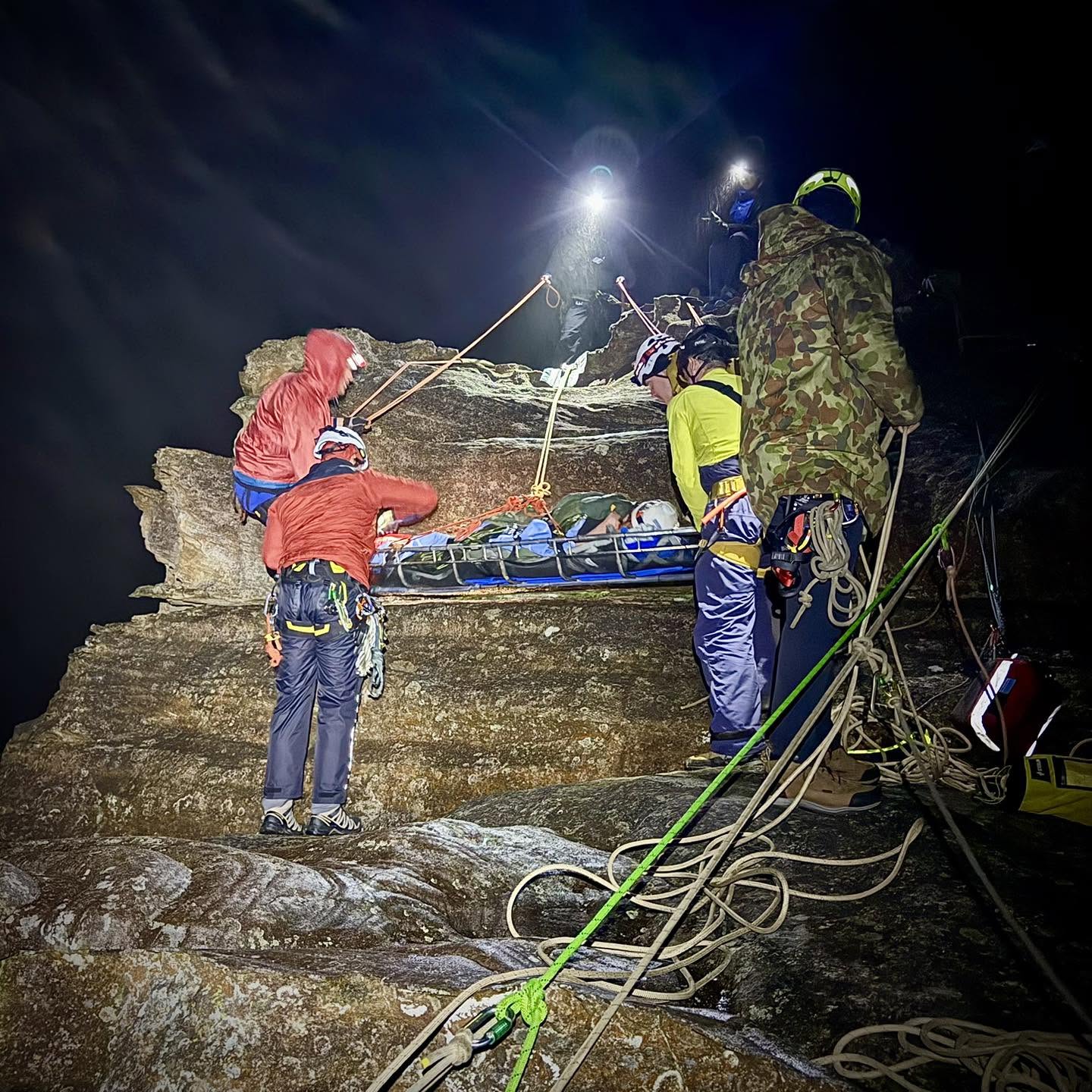
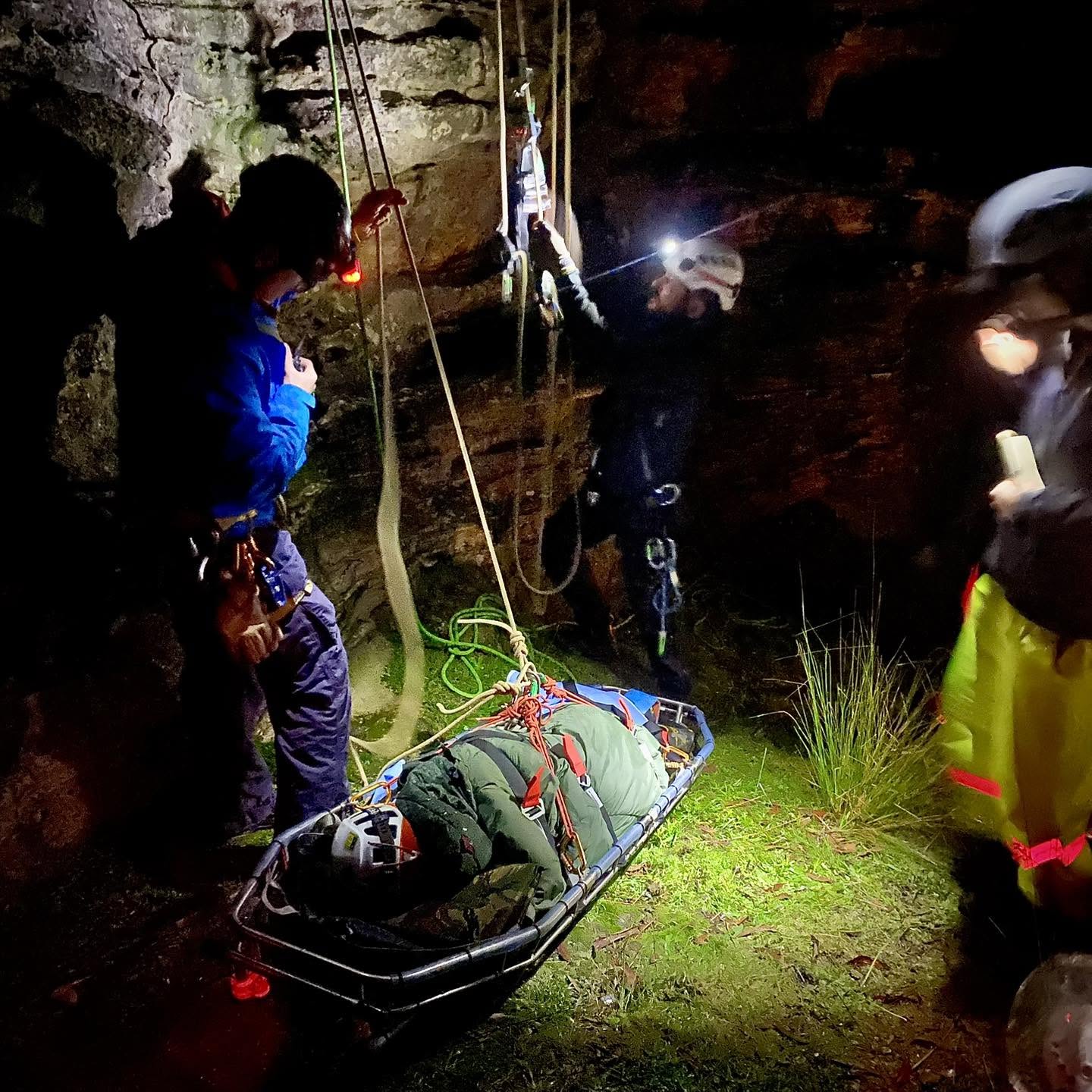
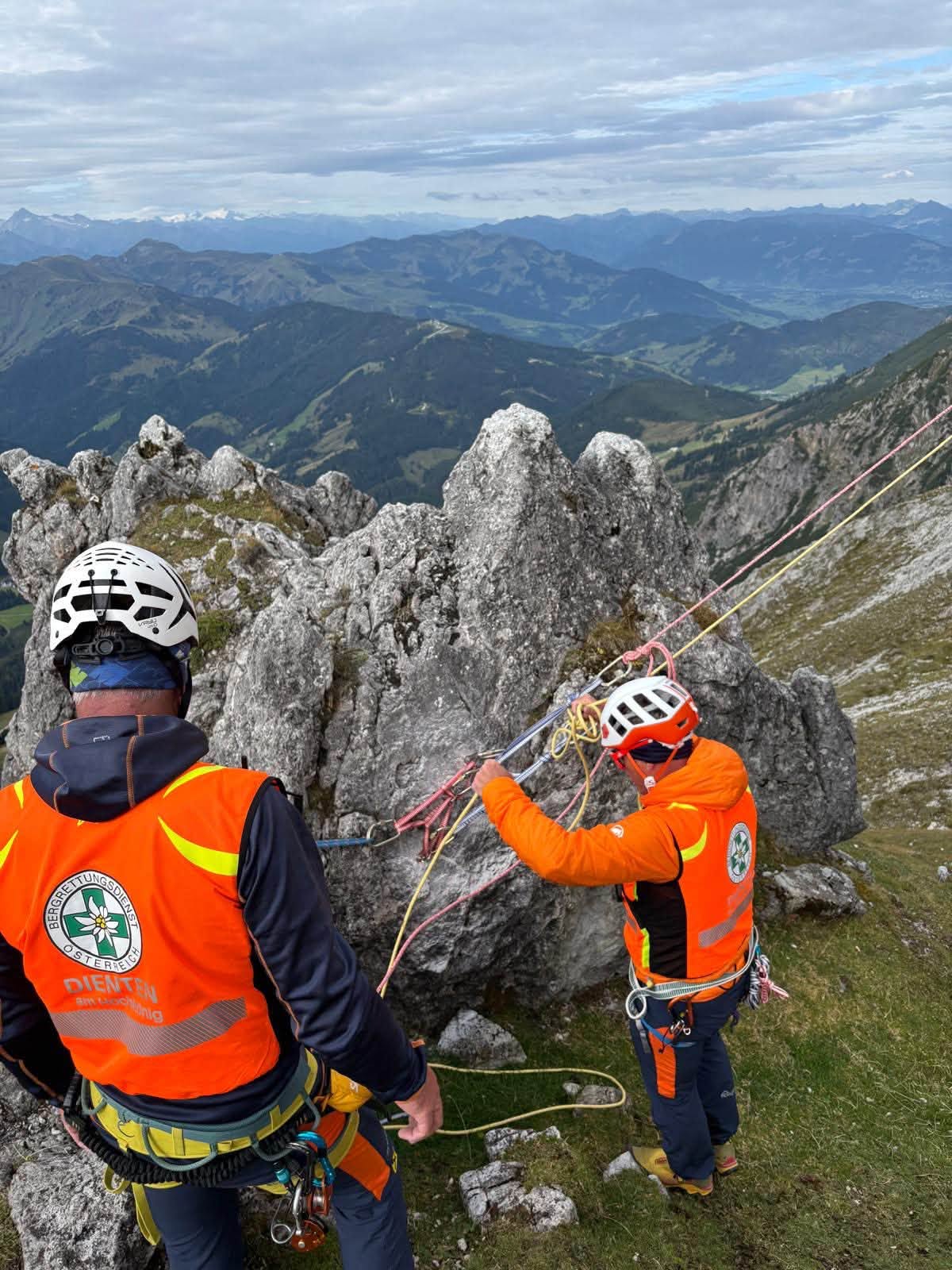
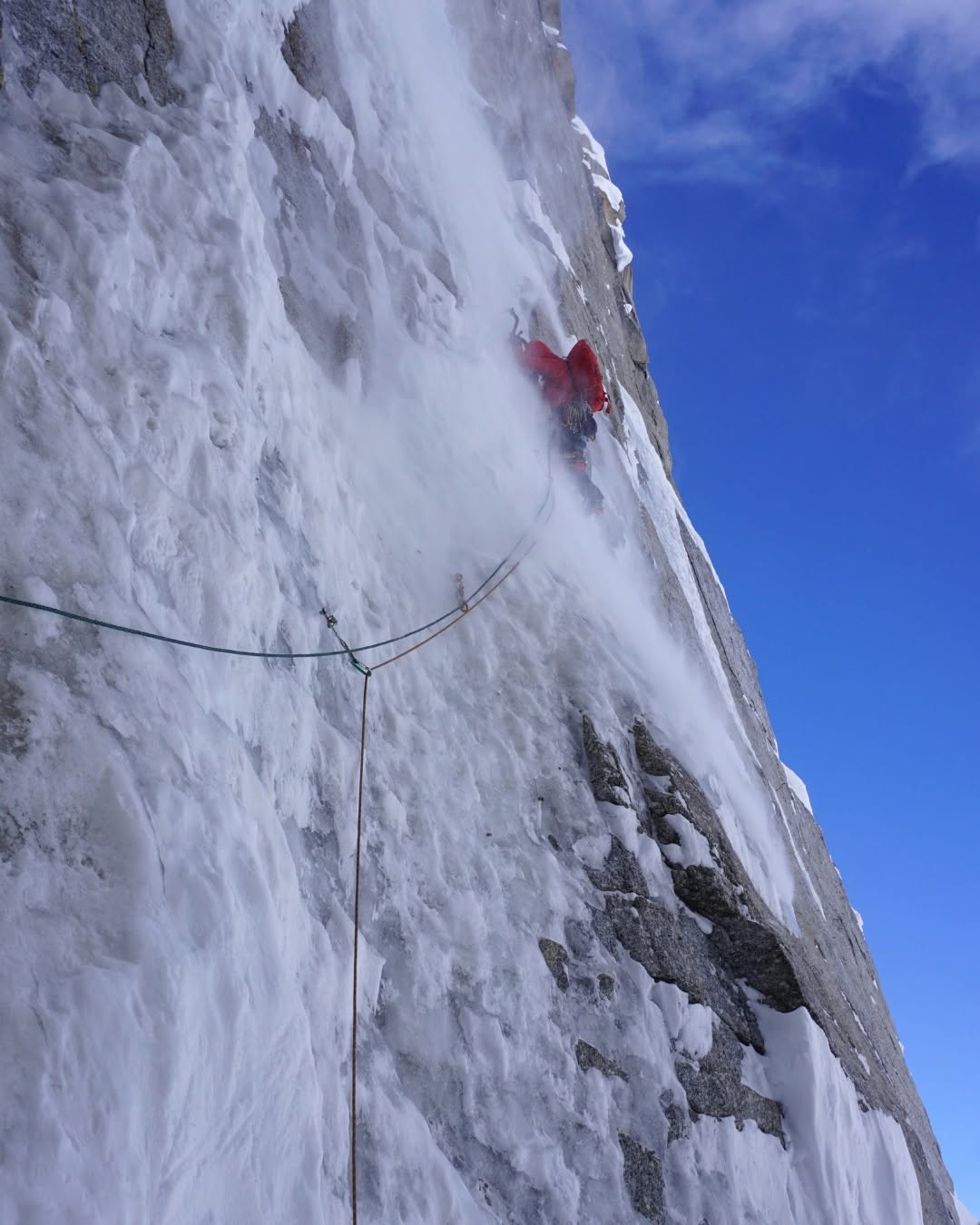
In vertical terrain or areas with difficult access, technical extraction systems may be required.
Anchors
Suitable systems that have been assessed in advance to ensure operational safety.
Ropes and Technical Systems
Use of appropriate systems for lowering, raising, and securing personnel or the casualty.
Rescue Stretcher
A compatible stretcher that is properly secured and prepared for transport.
Personal Protective Equipment
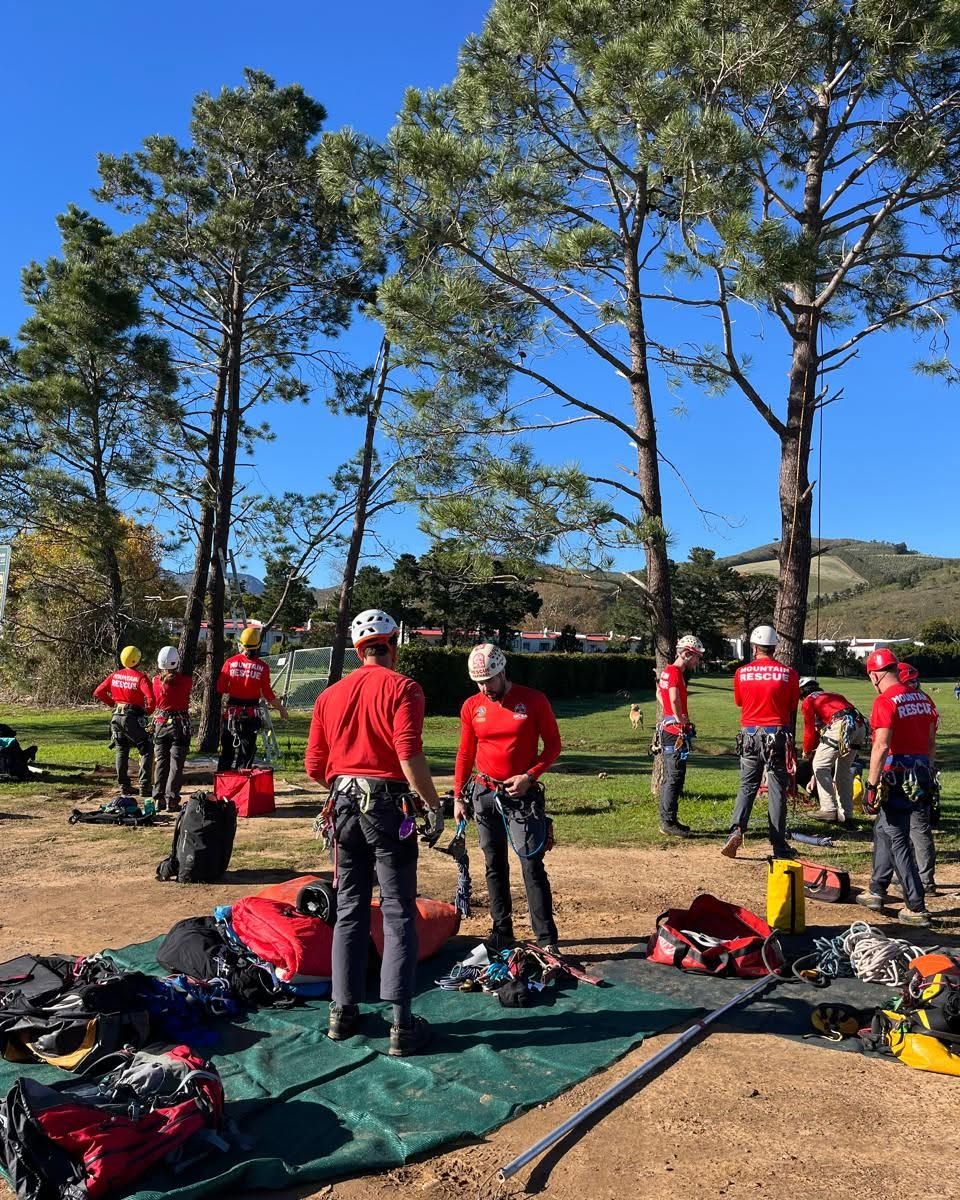
Helmet, harness, gloves, connection systems, and required equipment.
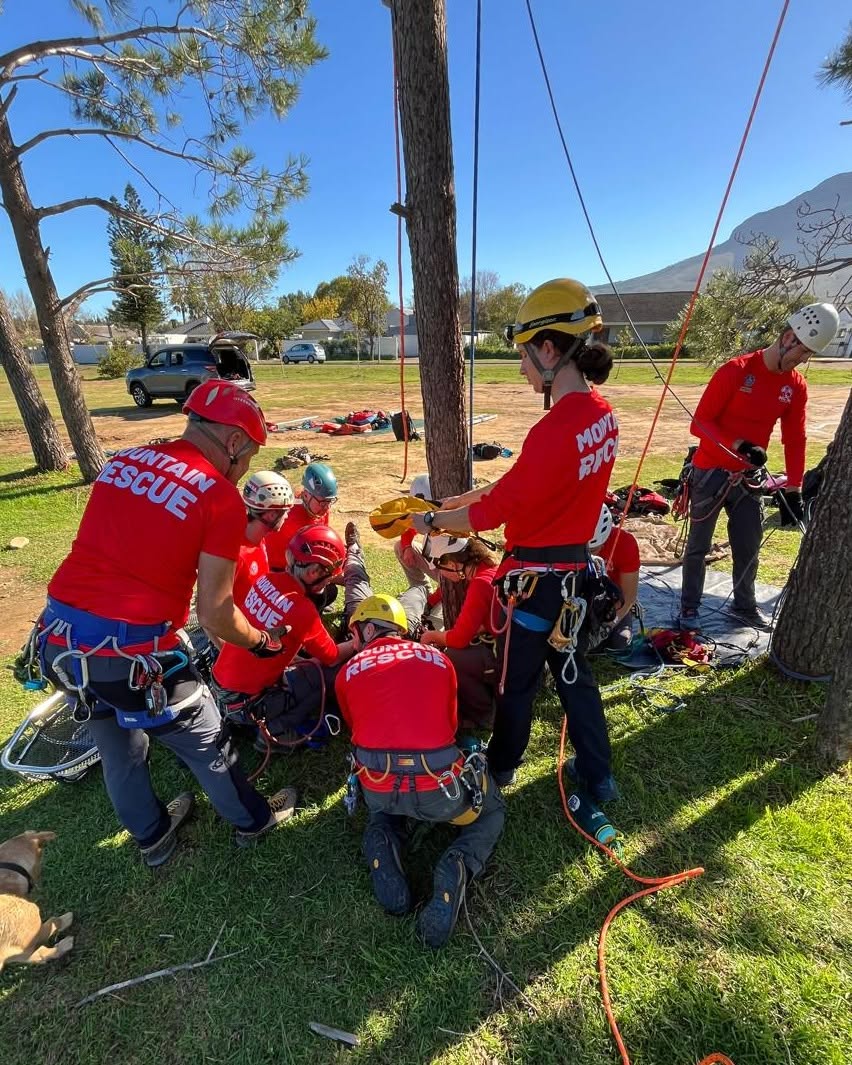
Technical Personnel
Rescuers trained in technical maneuvers and risk management.
Continuous Communication
Communication among team members during every phase of the operation.
These operations must be performed only by personnel trained and competent in the specific techniques being used.
Transportation of the Person
Assisted Walking
Movement with assistance from rescuers when the person's condition and mobility allow it.
Technical Transport
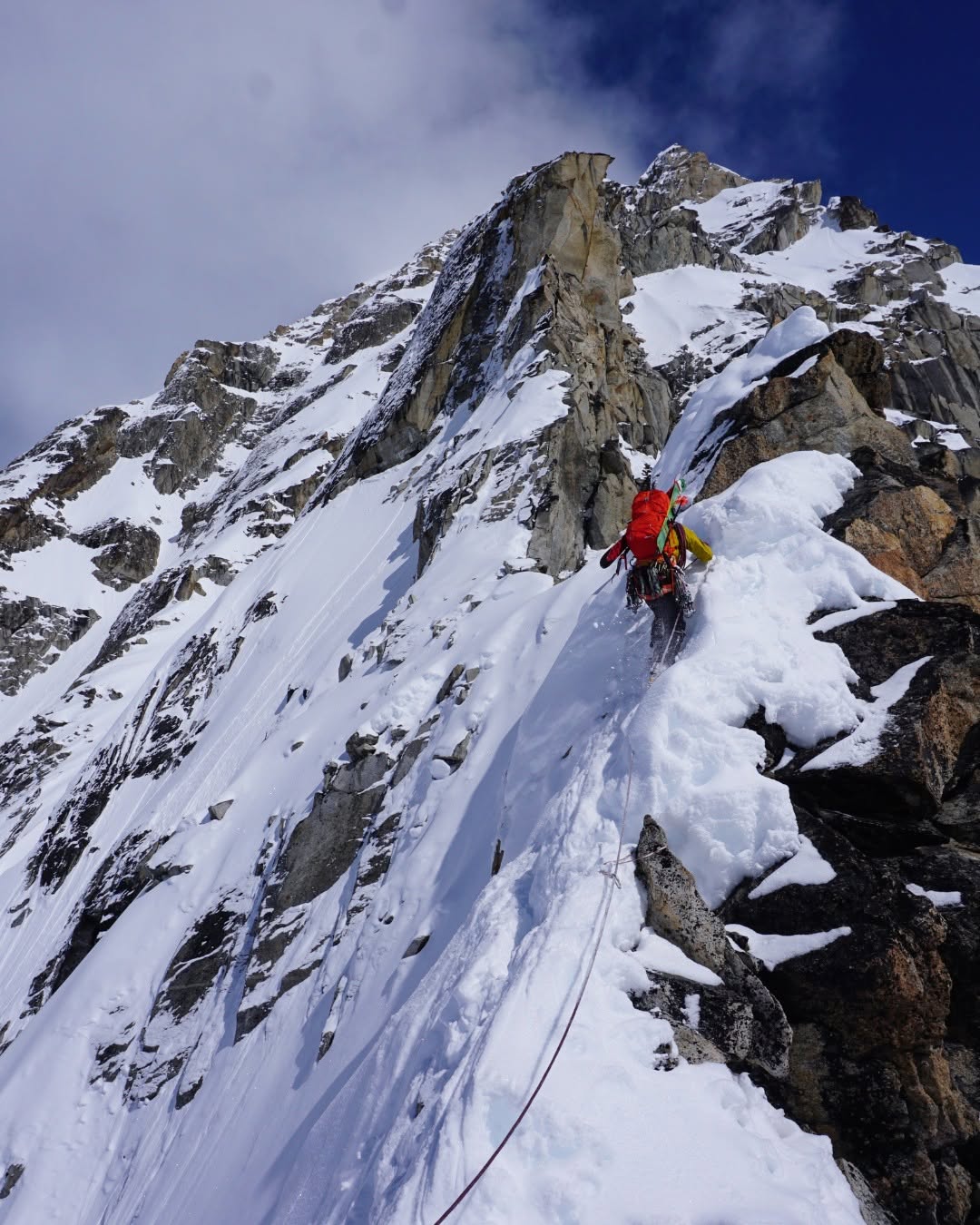
Specialized systems for vertical terrain, steep slopes, or exposed areas.
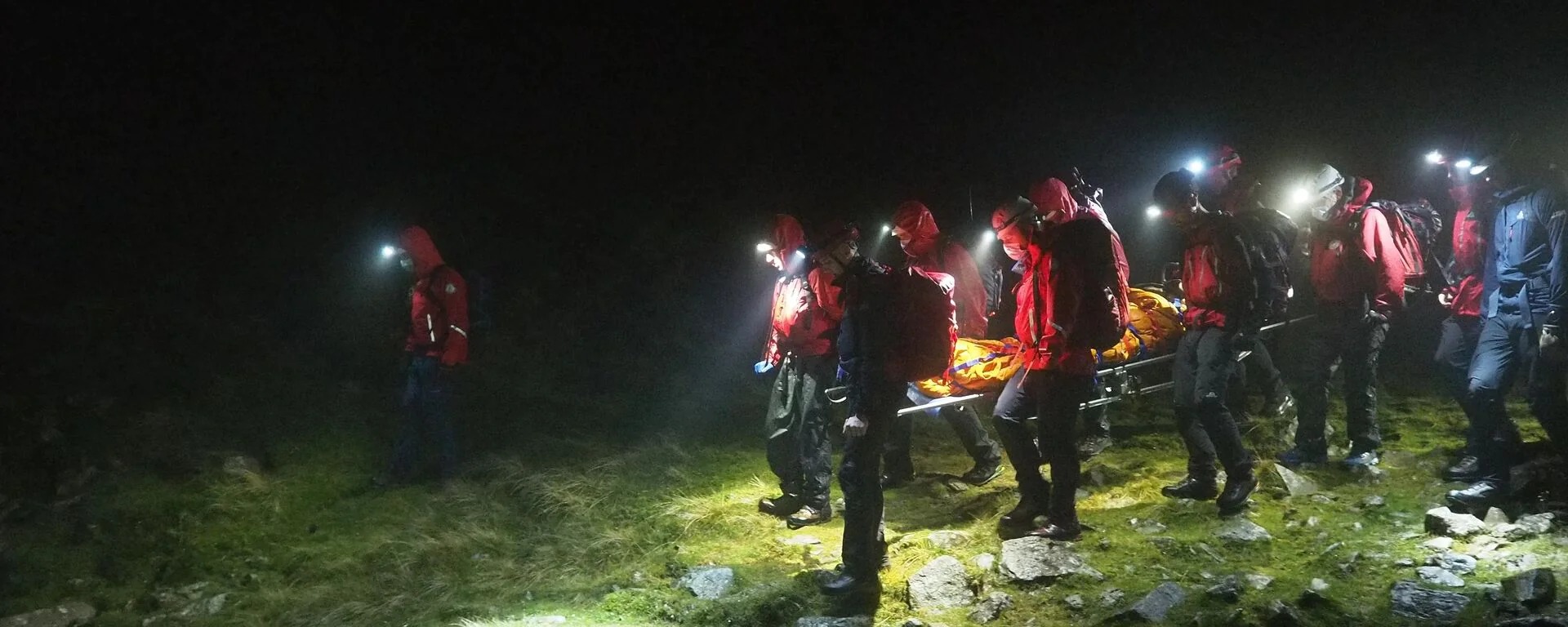
Stretcher
Transport when the person cannot move independently or conditions require controlled movement.
Ground Vehicle
Transfer using an appropriate vehicle from an accessible point.
Aerial Evacuation
Extraction by helicopter or another aircraft when appropriate.
The choice of transportation method must take into account the person's condition, terrain, time, environment, risks, accessibility, and available resources.
Alternative Routes and Contingency Plan
Whenever possible, every evacuation must include an alternative plan in case the primary route becomes blocked or conditions change.
- Weather Changes: sudden changes in environmental conditions.
- Heavy Snowfall: accumulation, reduced visibility, or changes to the route.
- Avalanche: an avalanche or avalanche risk requiring a change of route.
- Rockfall or Landslide: falling rocks or debris blocking the route.
- River Flooding: increased water flow preventing a crossing.
- Aircraft Cancellation: inability to carry out the planned extraction.
- Loss of Communication: interruption of the planned communication systems.
- Vehicle Access: blocked access or lack of access for emergency vehicles.
Whenever conditions change, the team must reassess the situation, communicate the changes, select a viable alternative, and update the evacuation strategy.
If no safe alternative is available, the operation may be delayed, suspended, or modified until conditions allow it to proceed safely and appropriately.
Time Management
Time is an important operational factor. The timeline of the mission must be recorded.
Alert Time
The time SAR24 receives the initial notification.
Activation Time
The time the operational response formally begins.
Team Departure
The start of travel toward the incident location.
Arrival at the Scene
The team's arrival at the incident area or contact point.
Extraction Start
The time the operation to remove the person from the incident location begins.
Evacuation Start
The beginning of transportation toward the designated transfer point or destination.
Transfer
Arrival at the location where the person is handed over to the next service or resource.
Mission Completion
Conclusion of operations and commencement of operational closeout.
Group Management
When the affected person is part of a group, the evacuation must also take into account the circumstances, safety, and independence of the other group members.
Total Number
Confirm the number of group members and, whenever possible, identify each person.
Location
Determine the group's position and its relationship to the affected person.
Condition
Check for injuries, symptoms, exhaustion, hypothermia, and altitude-related problems.
Equipment
Assess food, water, protective gear, communications, navigation, and lighting.
Ability to Continue
Determine whether group members can move safely or need to modify their activity.
Accompaniment
Assess whether the group needs to remain together or establish a safe location.
Communication
Designate a person responsible for maintaining contact with SAR24.
During the evacuation, group members must not be exposed unnecessarily to additional risks.
An individual evacuation must not unnecessarily create a second emergency within the group.
Luggage and Personal Belongings
During an evacuation, it must be determined which equipment needs to accompany the person and which items can remain under the group's supervision.
- Backpack and Personal Equipment: essential items needed during transportation.
- Mobile Phone: available for communication, location tracking, or coordination.
- Satellite Device: equipment needed to maintain communication or location tracking.
- Personal Documents: identification, emergency information, insurance details, or other documentation.
- Personal Medication: relevant medications identified during the emergency.
- Protective Clothing: garments needed for protection against cold, wind, rain, or snow.
- Technical Equipment: mountaineering, climbing, trekking, or glacier equipment.
Endurance and Logistics
Power
Batteries, chargers, power banks, and other power sources.
Water
Sufficient water for the planned duration and potential delays.
Food
Food supplies or rations when required by the duration of the operation.
Thermal Protection
Additional clothing, thermal blankets, sleeping bags, and protective equipment.
Lighting
Headlamps, batteries, and lighting systems for nighttime operations.
Communications
Radios, satellite phones, and location-tracking systems.
Temporary Shelter
Tents, shelters, bivouac equipment, or other protective facilities.
Additional Equipment
Technical, medical, navigation, and safety equipment.
Operational endurance must be reassessed throughout the mission, especially in the event of delays, weather changes, route modifications, loss of communications, or the inability to carry out the originally planned extraction.
Monitoring During Transport
- Level of Consciousness: observe changes in responsiveness, orientation, or communication.
- Breathing: identify obvious changes that require reassessment.
- Bleeding: monitor visible bleeding and the measures taken to control it.
- Cold Exposure: observe signs associated with environmental exposure.
- Progression of Injuries: periodically reassess observable changes.
- Mobility: determine whether the person remains able to walk.
- Overall Deterioration: record changes that may require a revised strategy.
If the person's condition changes, it may be necessary to modify the evacuation plan.
Communication with Family Members and Authorized Contacts
Controlled Communication
Information provided to family members must be managed in a coordinated manner while respecting privacy.
When family members or authorized contacts need to be informed, communication must focus on verified and relevant information, coordinated with the person responsible for the SAR24 operation.
Coordination with Authorities
Police
Security, access, location, area control, and other relevant responsibilities.
Emergency Services
Coordination of emergency resources and ground transportation.
Aircraft Operators
Coordination of aircraft, extraction points, and communications.
Medical Facilities
Coordination of the transfer point and continuity of care.
Local Authorities
Communication and coordination with the relevant local authorities.
Protected Areas
Coordination within parks, reserves, and areas under special administration.
Rescue Organizations
Cooperation with specialized teams when necessary.
Other SAR Organizations
Coordination with centers, institutions, and organizations that contribute to the response.
The SAR organization must operate within the powers, authorizations, and procedures applicable in the relevant jurisdiction.
Evacuation Traceability
All significant decisions must be documented whenever operationally feasible.
Locations
Relevant locations of the person, group, teams, and transfer points.
Times
Alert, activation, departure, extraction, transfer, and closeout times.
Communications
Messages, instructions, updates, and significant changes.
Participating Personnel
SAR personnel, supporting personnel, institutions, and participating teams.
Resources Used
Vehicles, aircraft, technical equipment, and communication systems.
Observed Condition
Relevant changes observed during the operation.
Evacuation Route
Route used, diversions, checkpoints, and alternative routes.
Incidents and Changes
Weather conditions, obstacles, delays, or loss of communications.
Transfer
Location, time, and person responsible for handing over the individual.
Records must be maintained in an organized and secure manner. Access to sensitive information must be restricted to authorized personnel, and data must be used only for operational, administrative, legal, coordination, or mission evaluation purposes, as applicable.